Dolphin heist: Footage shows clever bait snatching off Australia's coast

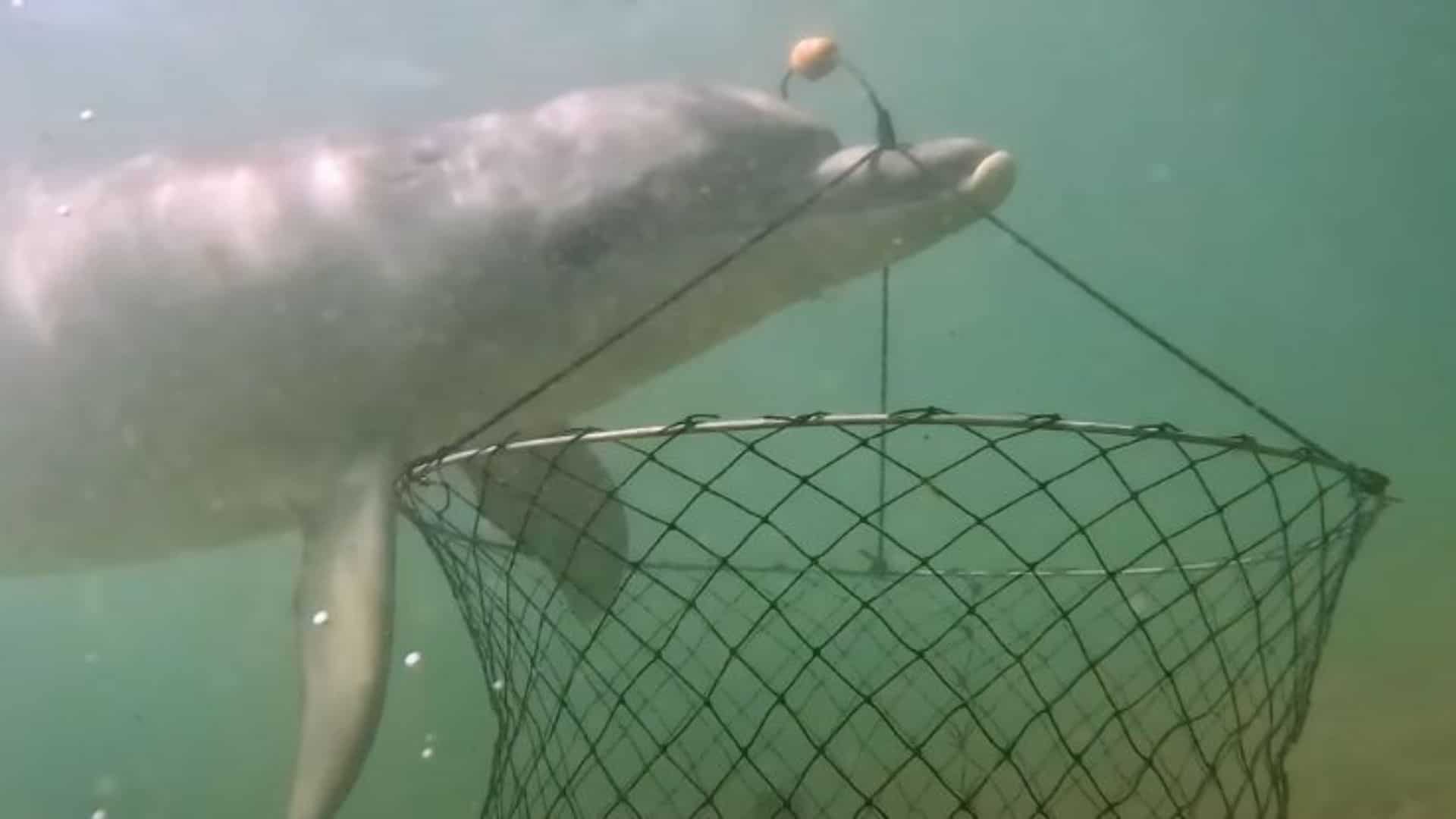
Dolphins pulling off a clever bait heist (screengrab)
Off the coast of Western Australia, underwater cameras captured an extraordinary phenomenon involving bottlenose dolphins and local crabbers in a unique battle over bait. The Bunbury area, approximately 160 kilometres south of Perth, has been witness to a decades-long conflict where dolphins swiftly seize dead fish from crab pots before crabs can claim their prize.
Fearing potential risks of net entanglement for the dolphins, wildlife conservationist Rodney Peterson collaborated with the Dolphin Discovery Center in Bunbury to film this unusual behaviour, raising concerns about the safety of the marine mammals.
Over a two-year period, a collaborative team of filmmakers, conservationists, and researchers documented the dolphins' tactics in Koombana Bay, exposing the secrets of these "crab bait thieves."
The footage showed dolphins using their long snouts, jaws, and teeth to extract bait from crab pots, even when concealed beneath the pots or secured in latched boxes. Researchers, including Dr Simon Allen and Dr Delphine Chabanne, were astonished by the complexity and novelty of the observed behaviour.
Watch the video here:
While dolphins globally are known to pilfer fish and bait, the interactionsbetween the dolphins and crabbers in Koombana Bay stand out for their unique complexity. Experts highlight the impressive problem-solving skills displayed by the dolphins, with only specific individuals engaging in this behaviour, suggesting it may be more for 'fun' or 'convenience' than out of hunger.
Leading the clever gang
Two dolphins, a mother named Calypso and her calf Reggae, emerged as leaders among the bait thieves. Their clever antics add a layer of complexity to the interactions, making crabbing a more challenging task for local fishermen.
Despite the dolphins' ingenuity, there are concerns that their behaviour, if widespread, could pose risks to their well-being. The crab bait, being non-nutritious, coupled with the potential for entanglement in more intricate gear, raises concerns for the long-term impact on the local dolphin population.
Researchers have devised a 'dolphin-safe' method by placing bait inside a strong mesh connected to the pot, allowing the dolphins to scan it with echolocation and eyesight, learn that it cannot be opened, and swim away. This approach aims to ensure coexistence between dolphins and crabbers while minimising risks to the marine mammals.
(With inputs from agencies)