Cube-shaped skull discovery in Mexico stumps scientists: Why is there only one?

&imwidth=600&imheight=450&format=webp&quality=medium "Cube-shaped skull discovery in Mexico stumps scientists: Why is there only one?")
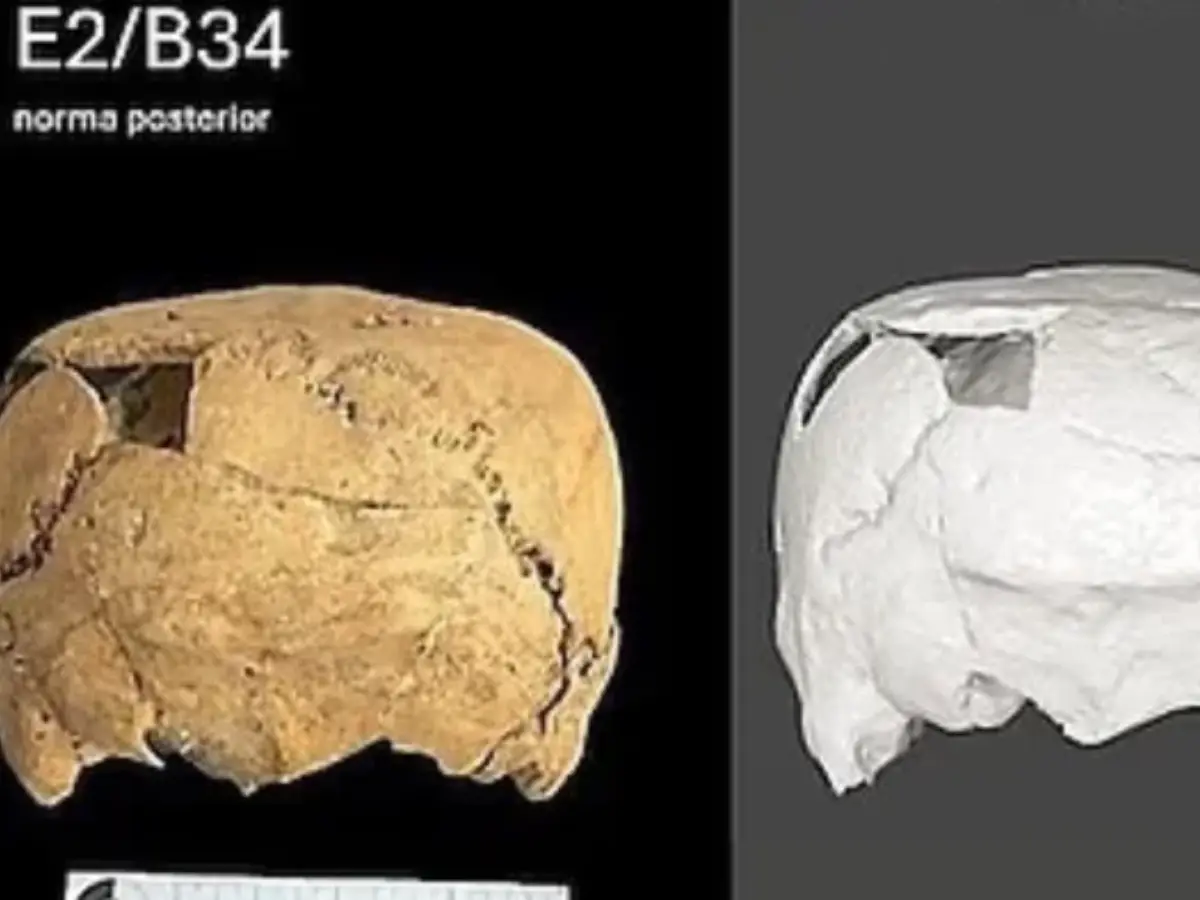
Skull in the shape of a cube Photograph: (National Institute of Anthropology and History)
The mystery of the cube-shaped skull: Skulls of different shapes, such as cones, have been found in the past. But one shaped like a cube has left experts puzzled. It belongs to a man, and only one such skull has ever been found in this region of Mexico.
Archaeologists have unearthed a skull shaped like a cube in Mexico, spilling some more secrets about the ancient world. Experts at the National Institute of Anthropology and History (INAH) dated the skull to be 1,400 years old and belonging to a 40-year-old man who lived in Mexico's Classic period, between 400 and 900 AD. The discovery was made at the Balcón de Montezuma archaeological site in the state of Tamaulipas. However, this skull does not belong to a new species that evaded detection, but can be pinpointed to a practice of the mountainous region. This man spent his entire life in this area of Mexico, and his skull is a cube because of intentional cranial deformation. It is the practice of using flat boards and bandages for years to change the shape of a baby's soft head. This does not cause any harm or pain to the baby since an infant's skull bones take shape depending on the pressure on the head. It was a traditional practice among the inhabitants of the region.
Scientists are calling the discovery "unprecedented" since a cube-shaped skull has never been found near Huasteca before. This is not the first instance of changing the shape of human skulls, as a variety of intentionally modified skulls have been discovered across ancient Mexico in the past. Elongated cone-like shapes among the Olmec and Maya are the most well-known ones. The reason for changing the skull shape depended on the different ancient civilisations. For the Mayans, this was primarily done for beauty purposes. However, the main mystery here is why this man was the only one to undergo this process in this ancient society in Tamaulipas.
Also Read: Sixty years after being discovered from a cave wall, 300,000-year-old skull is found to be a hominid
Scientists checked for water ‘fingerprints’ in the man
Researchers at INAH are stumped to find only one such skull in the region. Skulls with a cube shape have been previously found at sites like El Zapotal in Veracruz and scattered Maya settlements in southeastern Mexico. These places are far from the mountainous region of Tamaulipas, where the new skull was found. To be sure that this person did not travel from some other place, the researchers checked the "stable oxygen isotopes" present in his bones. These are like fingerprints of the water available in an area and change from location to location. Their analysis proved that the man was born and lived his entire life in Tamaulipas. Scientists are now trying to solve the mystery of this man's identity and why he had this unique skull shape.

