Can sterilisation, deportation, and euthanasia solve Colombia's hippo crisis?

Hippos
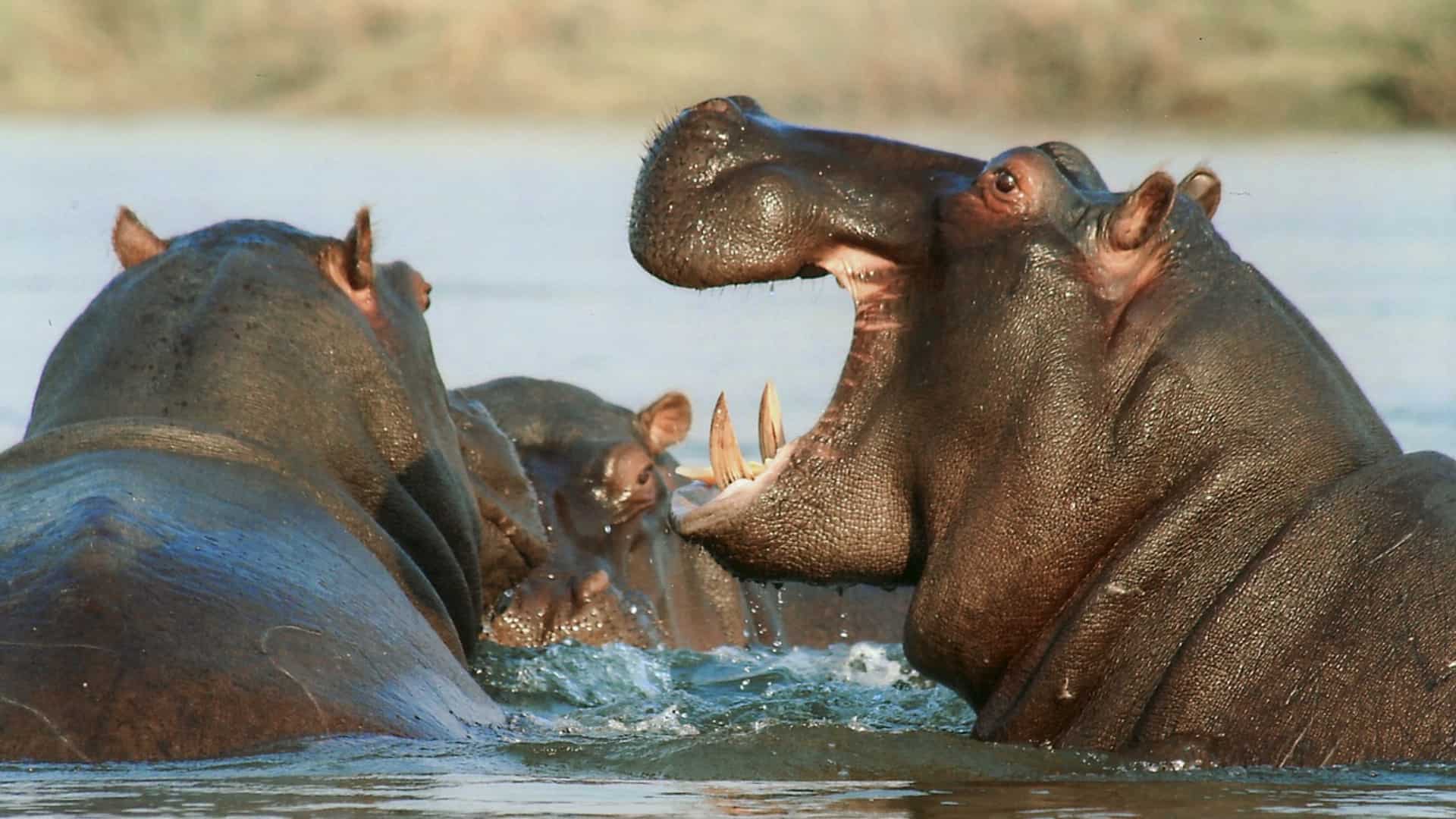
In a bid to manage its rapidly increasingpopulation of more than 100 hippos, Colombia has taken on a multi-pronged approach that includes surgical sterilisation, the potential relocation of hippos to other nations, and, as a last resort, euthanasia.
The hippos are descendants of animals illicitly introduced to the country by the late drug lord Pablo Escobar in the 1980s. Following Escobar's death in 1993, these so-called "cocaine hippos" have roamed freely, posing significant challenges for environmental authorities.
What is the real concern?
The hippos, originating from Escobar's estate, have expanded into nearby rivers where they have thrived without natural predators.
This has led to their classification as an invasive species capable of disrupting the local ecosystem.
The Colombian authorities estimate there are 169 hippos in the country, particularly in the Magdalena River basin, with projections indicating a potential population of 1,000 by 2035 if no action is taken.
The initial step of the plan involves the surgical sterilisation of 40 hippos annually, commencing the following week. However, this procedure is both costly, at approximately $9,800 per sterilisation, and presents risks for both the hippos, including allergic reactions to anesthesia or death, and the animal health personnel.
Hippos are dispersed across a vast area, are territorial, and often exhibit aggressive behaviour.
Experts are of the opinion that sterilisation alone will not suffice in controlling the growth of the invasive species. Therefore, the Colombian government is exploring the possibility of relocating hippos to other nations, a plan proposed earlier in the year.
However, the cost of deporting the hippos is estimated at $3.5 million, reported CBS News. Colombian officials have engaged with authorities in Mexico, India, and the Philippines, with the evaluation of sending 60 hippos to India. The ministry underscores the need for authorisation from the recipient country's environmental authority for any such export.
As a last resort to manage the population, the ministry is developing a protocol for euthanasia.
The unchecked population growth of hippos in Colombia has already had several consequences, including altering the composition of rivers and threatening the habitat of local wildlife such as manatees, otters, and turtles. The hippos' faeces are a significant contributing factor to this environmental disruption, potentially poisoning the rivers.
(With inputs from agencies)