Border-hopping for tomatoes: Indians cross over to Nepal for buying vegetables amid soaring prices

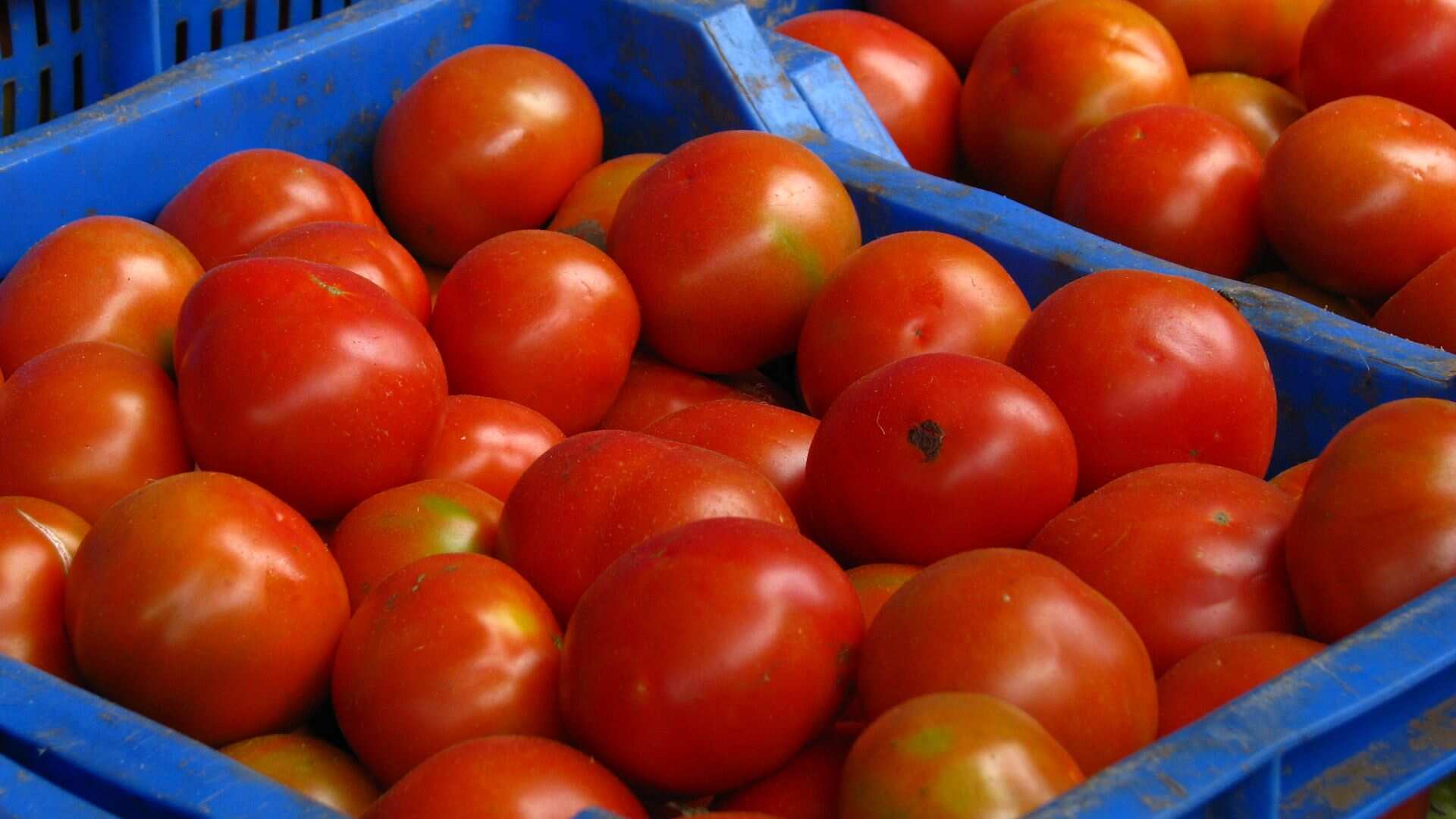
Tomato prices
The steep increase in tomato prices has led residents living along the India-Nepal border in Uttarakhand's Pithoragarh district to cross over into Nepal for tomato purchases, according to The Times of India (ToI) report.
People residing in Dharchula and Banbasa, situated near the border, are venturing into Nepal due to significantly lower tomato prices across the border. In India, tomatoes are being sold for Rs 120 (roughly $1.5) per kg or more, whereas in Nepal, they cost between Nepali Rs 100 to Rs 110 (roughly $1.5), equivalent to around Rs 70-75 (nearly a dollar)per kg.
Profitable business for vegetable vendors
A resident of Darchula in Nepal revealed that vegetable vendors are making double the usual profits as Indian shoppers flock to buy tomatoes across the border.
Nepalese farmers have observed the rising trend in vegetable prices in India. In response, the Nepalese government has been supporting farmers to diversify their crops, encouraging a shift from grains to vegetables.
Farmers in Nepal have now begun cultivating seasonal and non-seasonal vegetables, including tomatoes, to meet the high demand in India.
Additional vegetables cultivated and supplied to India
In addition to tomatoes, Nepalese farmers are cultivating cauliflower and spinach, supplying them to the Indian market when demand and prices are favourable. Kamal Joshi, a vegetable businessman in Nepal, shared this information with ToI.
Role of exchange rate and cross-border purchases
The exchange rate between the Indian rupee and Nepali rupee also plays a significant role in attracting Indian shoppers to Nepal for tomato purchases. Nepalese traders prefer payment in Indian rupeesas it translates to higher Nepali rupee earnings, said another Nepali resident.
Pithoragarh DM Reena Joshi commented on the situation, stating that people from both sides of the border engage in limited cross-border purchases for daily essentials. Security agencies monitor these transactions to ensure compliance with regulations.
According to agricultural experts, tomato prices are expected to rise further, possibly reaching Rs 300 ($3.65) per kg in the coming weeks.
The incessant rains in certain areas, combined with inadequate showers in others, have significantly affected tomato production and transportation, leading to this increase in the cost of the kitchen staple.
Also watch |Gravitas: Indian vegetable vendor gets bouncers to protect tomatoes
Sanjay Gupta, the Managing Director and Chief Executive Officer of National Commodities Management Services Limited (NCML) who spoke to Moneycontrol,explained that the problem of price escalation will persist for some time.
Due to the ongoing rains, new plantations cannot be done, further exacerbating the shortage. Gupta predicted that prices will continue to rise in the coming weeks, and it might take at least two months before they stabilise.
WATCH WION LIVE HERE: