Working with robots makes people lazy. Here's what 'social loafing' means

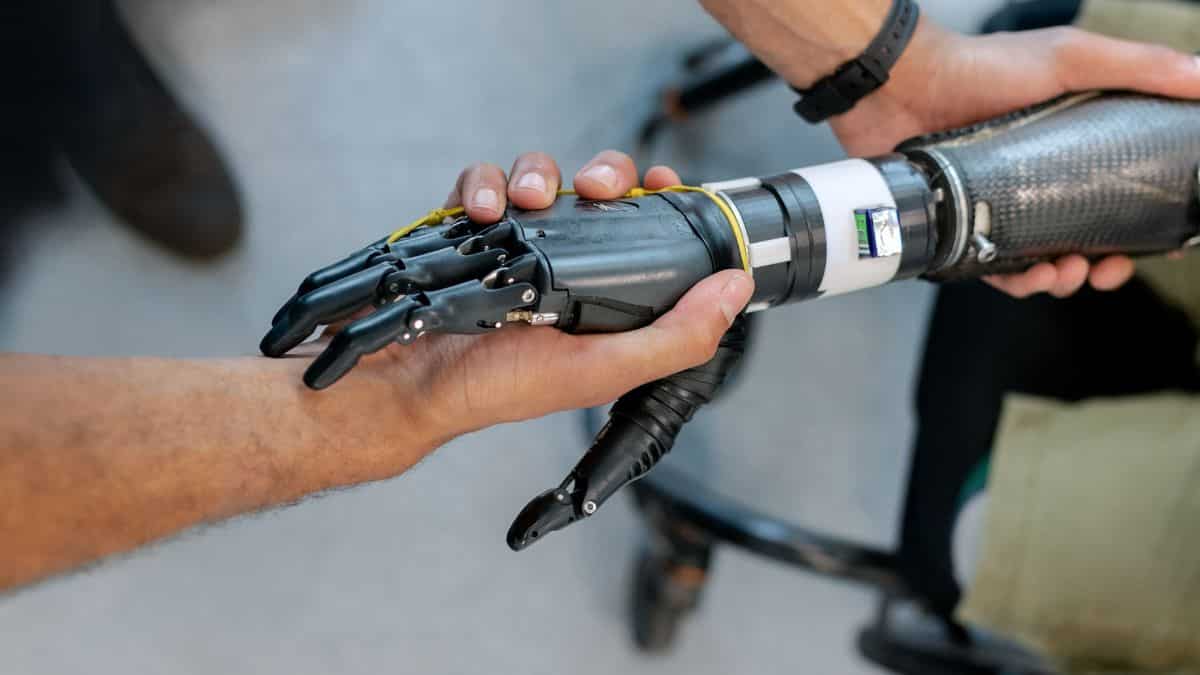
Robots at work
Do robots help with productivity at work? While the popular notion is that machines make lives easier at work, new research has discovered that robots give way to "social loafing".
What is social loafing?
Social loafing is a term used to describe a scenario where people work less hard if they think their other team members or, in this case robots, will cover up for them.
Researchers at the Technical University of Berlin, as per the Guardian, found that people come to see robots as a part of their team. As per their research, in such cases, when people see that technology is performing particularly well, they tend to feel like their own contributions would not be appreciated and scientists suggest this often leads to them taking a more laid-back approach.
Also read |Earth swallowed whole, sun a lifeless white giant; scientists predict what galaxy will look like in 5bn years
As Dietlind Helene Cymek, the study's lead author, puts it, "Teamwork is a mixed blessing."
"Working together can motivate people to perform well but it can also lead to a loss of motivation because the individual contribution is not as visible. We were interested in whether we could also find such motivational effects when the team partner is a robot," added Cymek.
The study has been published in the journal Frontiers in Robotics and AI.
Research methodology used by the scientists
The research team conducted an experiment to test this hypothesis. For this, they asked a group of workers to assess the quality of a series of tasks.
Half of the workers were told that the tasks had already been executed by a robot named Panda. Those workers didn't directly collaborate with the robot, but had heard it performing its operations and or could hear its operating sounds.
The workers were tasked with examining circuit boards for potential errors, and as they performed the task, researchers monitored their actions.
Initially, the researchers noticed no significant difference in the time taken by the two groups—those who were informed they were working with a robot and those who were not—in inspecting the circuit boards or the areas they scrutinised for errors.
However, upon analysing the error rates of the participants, the researchers discovered that those working alongside Panda identified fewer defects, especially after witnessing the robot effectively flagging numerous errors.
This phenomenon was attributed to a potential "looking but not seeing" effect, suggesting that people tend to be careless when they perceive a colleague or resource as reliable.
(With inputs from agencies)
WATCH WION LIVE HERE
You can now write for wionews.com and be a part of the community. Share your stories and opinions with us here.

