Scientists develop machine that creates hydrogen fuel from dirty water

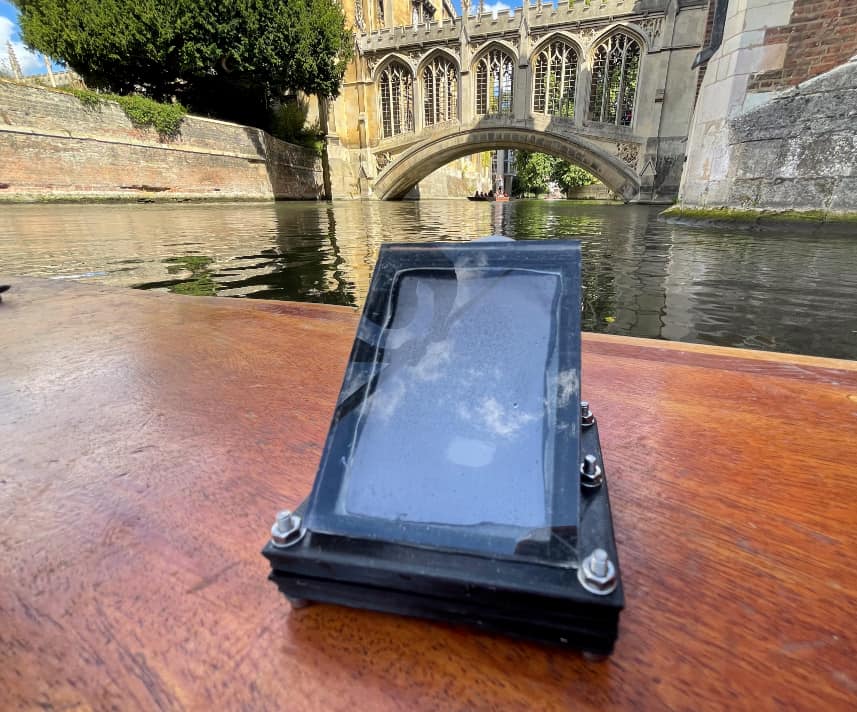
Device that turns dirty water into fuel
Scientists have invented a breakthrough device that can not only clean dirty water and make it consumable but can also generate hydrogen fuel from it, thus solving two problems at once—the lack of energy and the lack of clean drinking water.
It can change the lives of millions of people who live off limited resources, with no access to clean water and clean energy.
As per the scientists behind the machine, it is based on the photosynthesis process in plants, where they turn light into food. The older version of the same device required clean water to operate, making it unviable for areas with no clean water resources.

But the new model is simply miraculous.
“Bringing together solar fuels production and water purification in a single device is tricky,” said Chanon Pornrungroj from the University of Cambridge.
)
From drones to KAAN fighters: Turkey outlines 229% surge in defence spending amid regional shifts
)
Frustrated man demolishes his kitchen after thousands flock to see Mother Mary his wife spotted on the wall
)
BRICS Summit 2026: Special BRICS session on 'inclusive global governance'
)
Israel spent nearly $470,000 on PM's hair, makeup since 2019, data shows
)
Satya Niketan horror: Who is responsible?
)
Osama Bin Laden's son ALIVE? Al-Qaeda releases video 7 years after US declared him dead
)
BRICS Summit 2026: PM Modi meets Malaysia, Ethiopia leaders; defence ties, trade in focus
)
Lady Gaga is a mom! Oscar-winning singer welcomes first child with fiance Michael Polansky
)
BRICS Summit 2026: South Africa says it will use the summit to advance its economic priorities
)
From India, Putin warns Europe against sending troops to Ukraine, Zelensky expresses willingness to meet him at G20 Summit
)
9-year-old Chennai prodigy clears Cambridge IGCSE grade 10 exams
)
South Africa batter Jordan Hermann hits highest individual score on ODI debut
)
BRICS Summit 2026: Rivals in West Asia, partners in BRICS, UAE, Iran, and Saudi delegations in Delhi
)
Houthis vs Saudi Arabia: East-west oil pipeline shut after drone attacks from Iraq
)
BRICS Summit: China resumes Guangzhou-New Delhi flight, issues 'good-neighbourliness' remark ahead of Xi-Modi meet
)
Karthik Subbaraj’s Dorothy gets a standing ovation at TIFF world premiere
)
BRICS summit: India faces delicate Iran-UAE diplomatic test
&im=FitAndFill=(700,400))
New Friday OTT releases (September 11, 2026): The Revolutionaries, Vishwanath & Sons, Ghamasaan- 6 new titles coming on Netflix, Prime Video and more
)
BRICS Summit 2026: Iran's Pezeshkian praises PM Modi at BRICS
)
800 million years old - Scientists discover 'fingerprints' of supercontinent Gondwana in ancient rocks
)
IND vs AFG, 1st T20I: When and where to watch live streaming in India?
)
9/11 attack anniversary: The day that changed America forever
)
Odisha gets investment proposals worth Rs 2.42 trillion from UAE with 6.18 lakh potential jobs
)
BRICS Summit 2026: 30+ countries seek BRICS membership
)
In first of its kind, Trump admin deports Afghan woman via Alien Terrorist Court
)
After praising Modi, Pezeshkian meets Indian religious leaders, Hurriyat's Mirwaiz Umar Farooq
)
North Korea fires missiles after US, South Korea and Japan military drills but America says 'does not pose immediate threat'
)
Saudi Arabia shuts East-West oil pipeline, key Hormuz bypass, after attacks
)
BRICS Summit 2026: Top world leaders in New Delhi; West Asia war casts shadow on BRICS Summit
)
Years before 9/11, CIA warned Clinton, Bush of 'explosive-packed airplane attack': What newly released files reveal
)
Harry Potter TV show vs films: Gary Oldman explains why HBO’s reboot could be better
)
Satellite images show construction surge at Iran’s Pickaxe nuclear site amid US war
)
Delhi's top luxury hotels turn into high-security fortress hubs for BRICS 2026 delegations
)
WION Expertspeak: Understanding India's BRICS presidency amid wars, trade tensions and global turmoil
“Solar-driven water splitting, where water molecules are broken down into hydrogen and oxygen, need to start with totally pure water because any contaminants can poison the catalyst or cause unwanted chemical side-reactions,” he added.
How does the machine work?
The system utilises a carbon mesh to absorb light and heat, generating water vapour from which hydrogen is generated by a photocatalyst. This carbon mesh also repels water, allowing the system to float and protect important components from water damage.
Watch:Technology for Parkinson's patients
Moreover, this device captures a greater amount of solar energy compared to previous models, as it utilises a wider spectrum of light. A white layer on the top absorbs UV rays, while the remaining light is used to vapourise the water.
The researchers emphasise that this system is simple to manufacture and effective in treating highly polluted water.
Although currently a proof of concept, they believe it holds promise for achieving a sustainable future.
“The climate crisis and issues around pollution and health are closely related, and developing an approach that could help address both would be a game-changer for so many people,” said Cambridge’s Erwin Reisner, who led the work.
(With inputs from agencies)