Elon Musk shows off prototype of Tesla’s humanoid robot Optimus, would cost less than $20,000

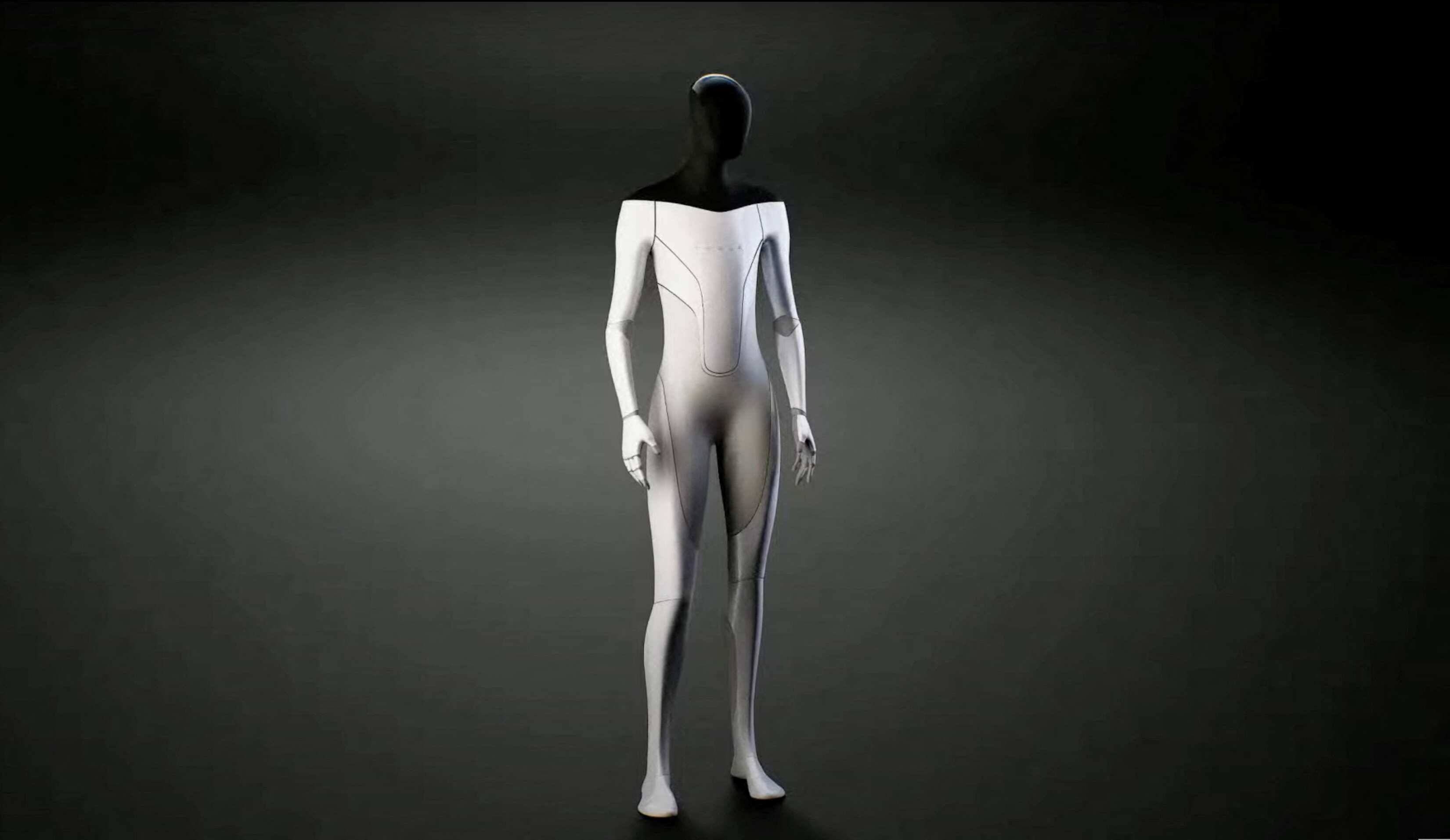
A humanoid robot developed by Tesla, known as Tesla Bot or Optimus
Elon Musk, the CEO of Tesla, said on Friday that the much-awaited humanoid robot 'Optimus' will cost around $20,000 but cautioned that it was still far from being completely functioning.
At Tesla's "AI Day" event, which was hosted at a Tesla headquarters in Palo Alto, California, Musk said that Optimus still needs a lot of work to be refined and proven.
Existing humanoid robots, according to Musk, are "missing a brain" and the capacity to come up with solutions on their own. In contrast, he asserted, Tesla will aspire to build millions of Optimus, a "extremely capable robot." He stated that he thought it would only cost around $20,000.
In February, Tesla claimed to have created a robot prototype. On Friday, that first prototype emerged to greet the gathering, and Tesla played a video of it performing easy jobs like watering plants, moving boxes, and lifting metal bars at a production station at the company's California facility.
Musk and Tesla officials agreed that there was still a lot of work to be done in order to build a low-cost, mass-produced robot that could take the place of people in the workplace.
Other automakers have created humanoid robot prototypes that are capable of complex tasks like shooting a basketball, including Toyota Motor and Honda Motor. Production robots from ABB and other manufacturers are a staple of the car industry.
However, Tesla is the only company driving the market for a mass-market robot that may be utilised in manufacturing.
Staff members dragged a next-generation Tesla bot onto the stage. It will feature parts made by Tesla, including a chip system, actuators for its limbs, and a 2.3 kWh battery pack carried in its torso. It is intended for the robot to weigh 73 kg.
According to Musk, the purpose of the event was to hire staff, and the engineers on stage catered to a technical audience. They described how Tesla created robot hands and tested the robot's ability to fall on its face without breaking using crash-simulation technologies.
Musk, who has previously discussed the dangers of AI, claimed that the widespread use of robots might "transform civilization" and usher in "a future of abundance, a future of nopoverty." But he added he felt it was crucial that Tesla shareholders had a role in reviewing the company’s efforts.
(with inputs from agencies)