Elon Musk's Neuralink cleared for human test of brain implants

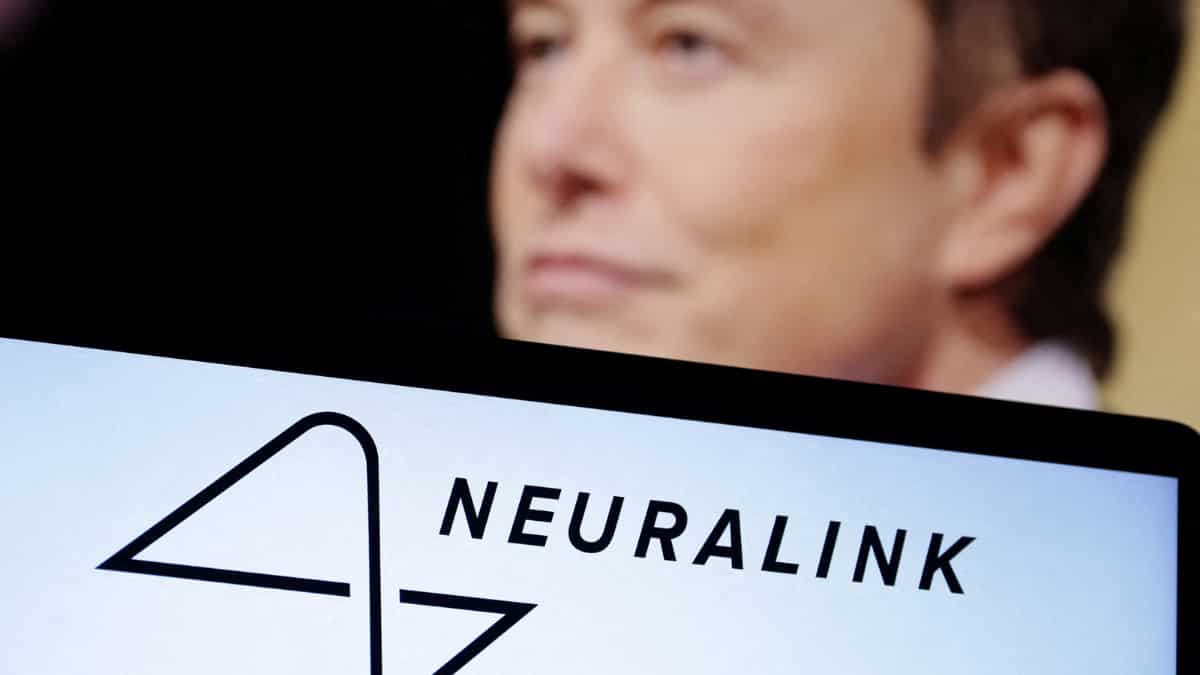
Neuralink logo and Elon Musk
Elon Musk's start-up Neuralink said on Thursday (May 25) that it has gotten approval from US Food and Drug Administration (FDA) to test its brain implants in people.
The decision comes after the company's application was rejected in early 2022, despite Musk's multiple predictions that his brain-chip business will soon receive FDA approval for human trials.
The company worked through the agency's concerns over the safety of the experimental implant.
Neuralink said in a tweet: "This is the result of incredible work by the Neuralink team in close collaboration with the FDA and represents an important first step that will one day allow our technology to help many people."
Neuralink said clearance from the US regulators is "an important first step" for its technology, which is intended to let brains interface directly with computers.
The company further noted that recruitment is not yet open for our clinical trial and they will announce more information on this soon.
The company claims that Neuralink is developing a brain implant it hopes will help paralysed people walk again and cure other neurological ailments.
During a presentation by the start-up in December, Musk said that the aim of Neuralink implants is to enable human brains to communicate directly with computers.
"We've been working hard to be ready for our first human (implant), and obviously we want to be extremely careful and certain that it will work well before putting a device in a human," he said at the time.
Musk once even said that he is comfortable implanting a chip into one of his own children’s brains if it's needed.
The billionaire promised in 2019 that Neuralink would be able to conduct its first human tests in 2020, which couldn't happen. Meanwhile, there were hints regarding how the product will look like as demonstrations showed the prototypes in the size of a coin, implanted in the skulls of monkeys.
During the Neuralink presentation, many monkeys were seen "playing" rudimentary video games or manipulating a cursor on a screen via their Neuralink implant. Musk stated that the company would aim to utilise the implants to restore vision and mobility to people who have lost these abilities.
"We would initially enable someone who has almost no ability to operate their muscles... and enable them to operate their phone faster than someone who has working hands," he said.
"As miraculous as it may sound, we are confident that it is possible to restore full body functionality to someone who has a severed spinal cord," he added.
(With inputs from agencies)
WATCH WION LIVE HERE
You can now write for wionews.com and be a part of the community. Share your stories and opinions with us here.