Sri Lankan parliament passes anti-corruption bill, fulfills IMF condition

Sri Lanka
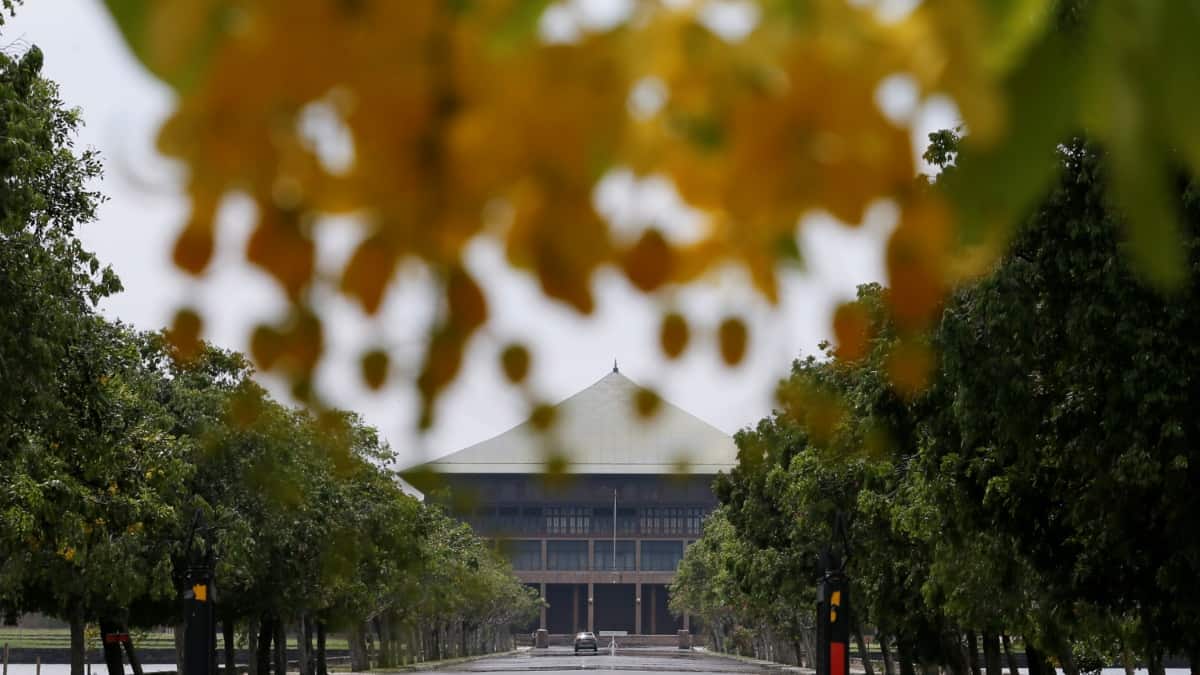
Sri Lankan parliament on Wednesday (July 19) approved a crucial anti-corruption bill without a vote. The bill passed by the 225-member parliament of the South Asian nation is aimed at improving governance in the crisis-hit country. The process of passage of the bill is part of requirements linked to USD 2.9 billion bailout from the International Monetary Fund (IMF).
"The bill is passed with amendments," Sri Lanka parliament Speaker Mahinda Yapa Abeywardena told lawmakers after more than two dozen pages of amendments were included into the draft legislation during the morning session.
Last year, Sri Lanka experienced an unprecedented economic crisis in more than 70 years after foreign exchange reserves of the country became dangerously low. This forced the island nation to default on its foreign debt. This made inflation to increase dramatically. The currency of the country depreciated rapidly.
Watch | Sri Lanka to consider trade in Indian rupee
There appeared to be some sign of hope after Sri Lanka locked down a USD 2.9 billion programme with the IMF in March. This included fresh anti-corruption legislation in order to strengthen governance and to bring it in line with theUnited Nations Convention Against Corruption.
This is the first time an IMF programme has been linked to such a measure in Asia.
'I am Ranil Wickremesinghe, not Ranil Rajapaksa'
Meanwhile, Sri Lankan President Ranil Wickremesinghe made an assertive statement. Wickremesinghe, who became president of the country after the economic crisis, sought to distance himself from former president Mahinda Rajapaksa. Wickremesinghe was speaking with representatives of Tamil political parties when he made the statement.
Also Read | 'I am Ranil Wickremesinghe, not Ranil Rajapaksa', asserts Sri Lanka president before India visit
The statement from Wickremesinghe came just a day ahead of his trip to India which had helped Sri Lanka stabilise in the initial aftermath of the economic crisis by extending monetary and other help.
Sri Lankan president was speaking with Tamil political parties who have urged him to implement the 13th Amendment.
The 13th Amendment is the outcome of an agreement reached between India and Sri Lanka following the deal of 1987. It talks about the devolution of land and police powers to the provinces in Sri Lanka.
Wickremesinghe said that the 13th Amendment will be fully implemented but without police powers.
Sri Lanka, a Sinhalese-majority nation has a minority Tamil population, especially in the country's north and east.
The tension between the community even resulted in a 30-year military campaign during which hardline sections among the Sri Lankan Tamils formed LTTE (Liberation Tigers of Tamil Eelam). The LTTE ran a military campaign for a separate Tamil nation. LTTE collapsed in 2009 after a decisive operation by the Sri Lankan military that saw the leader of LTTE Prabhakaran getting killed.
(With inputs from agencies)
You can now write for wionews.com and be a part of the community. Share your stories and opinions with us here.
WATCH WION LIVE HERE