Sri Lanka ranks 5th among 10 countries with highest food price inflation: World Bank

Sri Lanka crisis
Sri Lanka ranks fifth in a list of 10 countries with the highest food price inflation in the world, the latest World Bank assessment says. The Food Security update released by the World Bank said trade policy actions on food and fertilizers have surged since the beginning of the war in Ukraine, ANI reported.
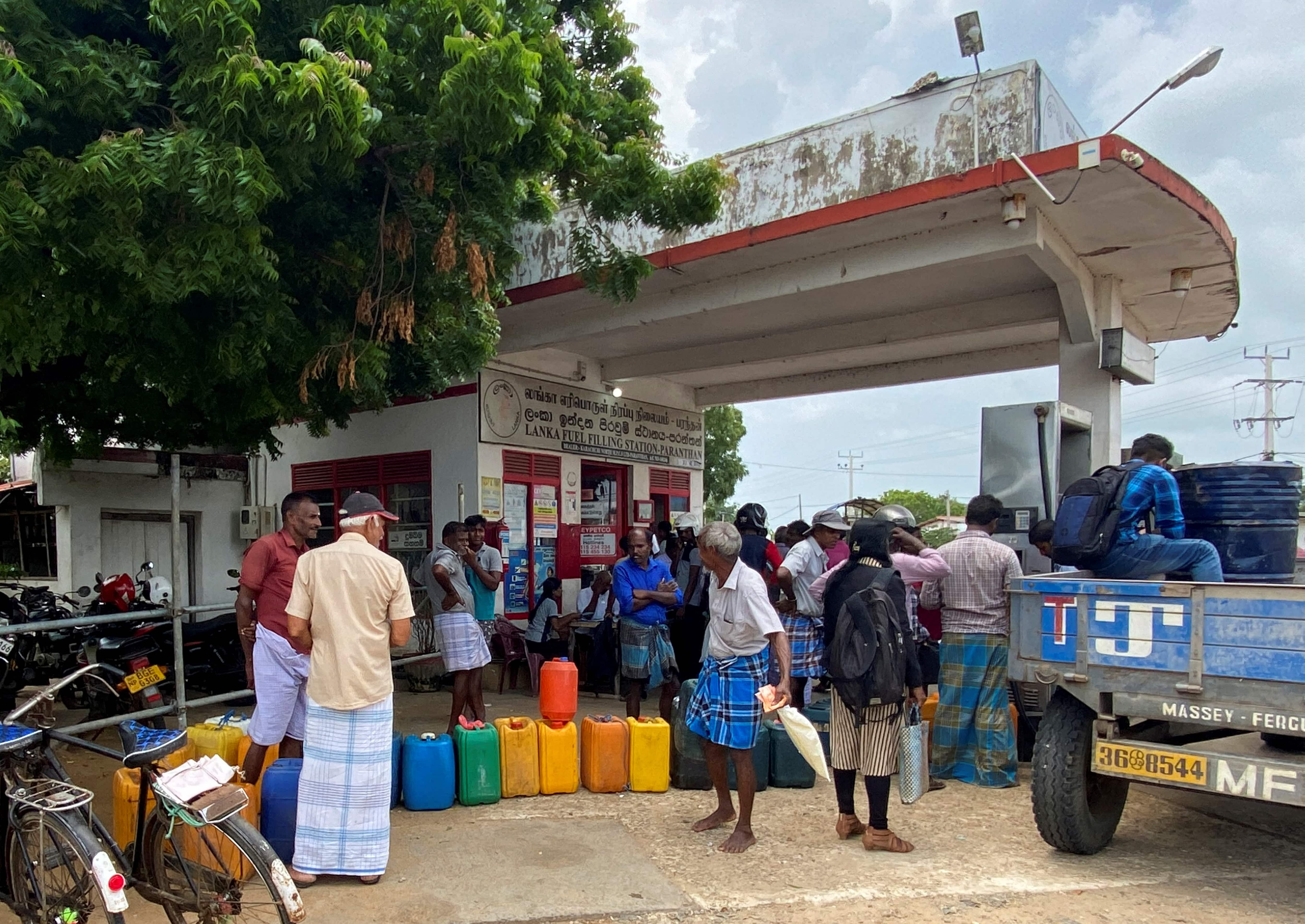
The report says that as of July, Sri Lanka is experiencing significant shortages in the domestic food supply. The country's agricultural production has decreased by 40 per cent to 50 per cent because of fertilizer shortages, and there is a lack of foreign exchange to purchase food imports.
"Fertilizer and fuel (for land preparation, transport, and harvesting activities) shortages are expected to limit the food supply. Some relief is coming from the first shipment of 44,000 tonnes of urea supported by Indian credit (and 21,000 tonnes is expected to arrive soon). There has been an increase in demand for Indian rice, with roughly 9.6 million tonnes shipped this year," the assessment says.
Exporters are concerned that export restrictions will be introduced, similar to what has been done for wheat, and are moving quickly to open letters of credit. They have signed contracts to export one million tonnes of rice from June through September 2022.
Food price inflation has reached 80 per cent in Sri Lanka and has come at a time when food price inflation remains at a multiyear high in South Asian countries, including Pakistan.
Challenges to food security persist amid the ongoing Russia-Ukraine war. According to the World Bank assessment, the agricultural, cereal, and export price indices globally were stable over the past two weeks, with the agricultural and cereal price indices one per cent higher than two weeks ago.
Domestic food price inflation continues to remain high around the world as almost all low and middle-income countries are witnessing high inflation. Besides, the share of high-income countries with high inflation has also increased sharply.
(With inputs from agencies)

