Pakistan’s petroleum dealers announce countrywide strike from July 22

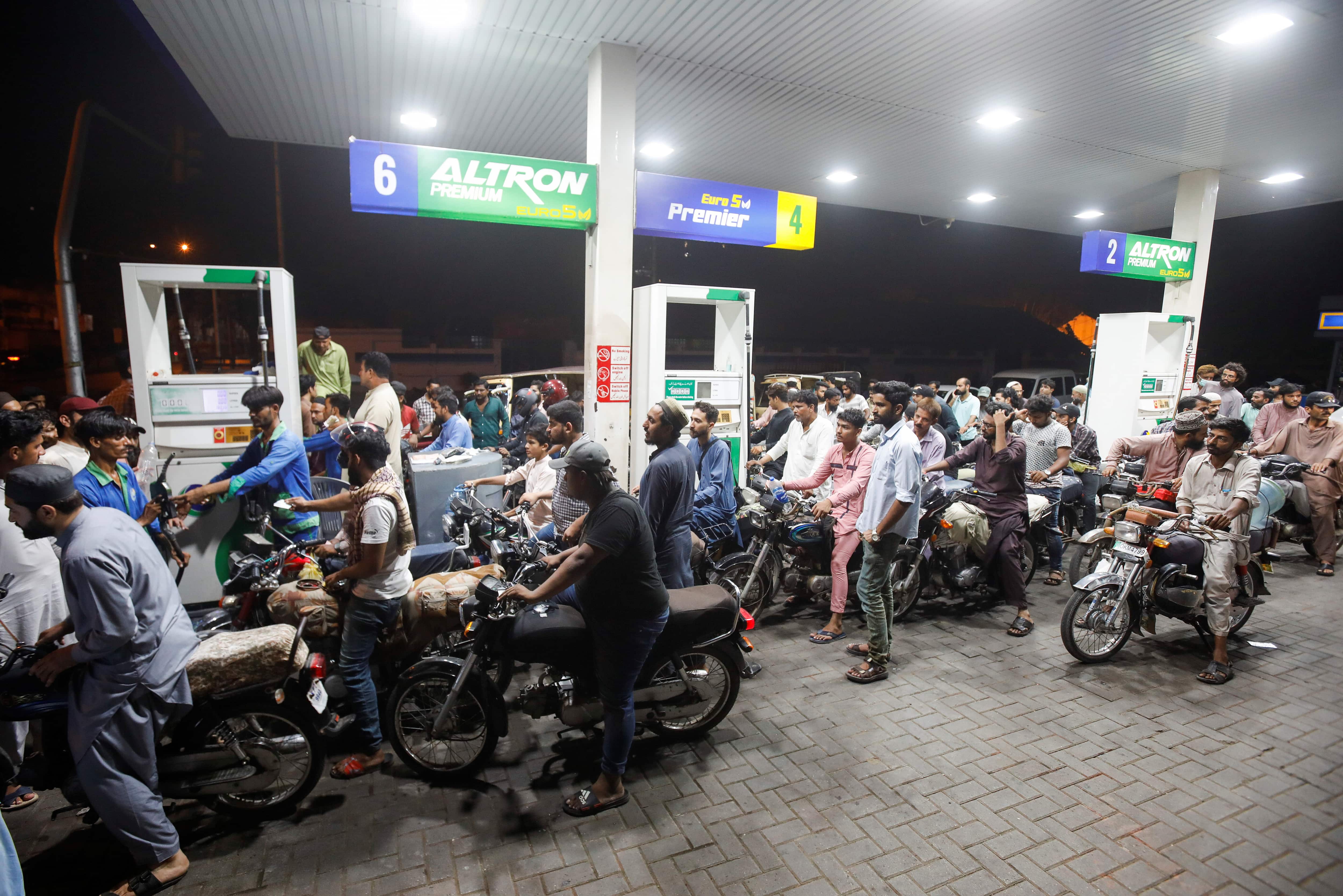
Petrol pump in Pakistan
The Petroleum Dealers Association in Pakistan have announced a nationwide strike on Saturday (July 22) as they want higher profit margins, which have been impacted by inflation.
They want their profit margins to be doubled from 2.4 per cent to 5 per cent.
Want higher profit margins
In a statement on Thursday (July 21), the retailers, which are nearly 10,000, said that they would shut down all petrol pumps across the country at 6 pm if their demands are unmet.
It blamed the petroleum ministry for forcing them to announce a countrywide strike alleging that they did not pay heed to their demands
“We approached state minister Musadik Malik and published our appeals in all the main newspapers. He promised us to visit Karachi and that’s why we did not take any major step but he did not visit.”
It blamed the petroleum ministry for a countrywide strike saying that the authorities did not pay heed to their demands.
Unauthorised sale of Iranian oil impacting profits
The official statement further said that interest rates and inflation have hit fuel pump operators' businesses and called for the dealership margin to be increased.
Moreover, they want the government to clamp down on the unauthorised sale of Iranian petrol and diesel, claiming that it has eaten into their profits.
Addressing a press conference at the Karachi Press Club on Thursday, Abdul Sami Khan, spokesperson for the association, said that due to the prolonged strike, petrol pumps will only be operational for two days during the month of Muharram, specifically on the 9th and 10th, reports Express Tribune.
Abdul Sami claimed that the unauthorised sale of Iranian petrol and diesel has caused a 30 per cent decline in the revenues of authorised petroleum dealers.
The frustrations of the petroleum association come at a time when the South Asian country is grappling with a weakening currency—which is exasperated due to spike in oil prices—and a prolonged period of inflation with the national rate hitting 29.4 per cent in June, down from a record high of 38% in May.
As a result, it has been difficult for the oil industry to import oil, whose prices have been increasing since the start of the Russia-Ukraine war.
(With inputs from agencies)
WATCH WION LIVE HERE