Moderate Nepali communist KP Sharma Oli to 'balance China, India' as new PM

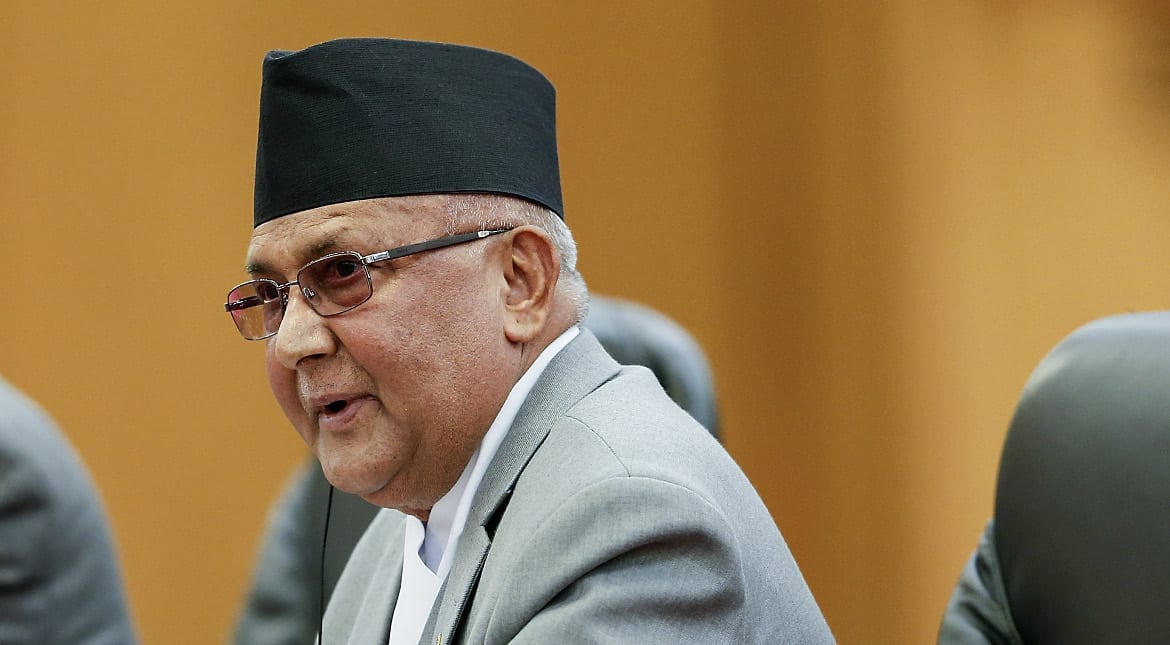
Khadga Prasad Sharma Oli
A presidential spokesman said Oli, who spent 14 years in jail for opposing the now-abolished monarchy in the 1970s and 1980s, was named prime minister hours after Sher Bahadur Deuba resigned
Nepal President Bidhya Devi Bhandari on Thursday (February 15) appointed moderate communist K P Sharma Oli, who led an alliance with former Maoist rebels to a sweeping victory in recent elections, as prime minister.
A presidential spokesman said Oli, who spent 14 years in jail for opposing the now-abolished monarchy in the 1970s and 1980s, was named prime minister hours after Sher Bahadur Deuba, whose party suffered a landslide defeat in the polls, resigned.
Oli, who was also prime minister from 2015 to 2016 soon after the nation's current constitution was formalised, said he would promote peace, stability and development in one of the world's poorest countries where revolving-door coalitions have sapped business confidence, curbed growth, spurred corruption and slowed reconstruction after a 2015 earthquake that killed 9,000 people.

Oli's leftwing alliance is considered to be closer to China while outgoing leader Deuba is widely seen as being closer to India. The two Asian giants have poured aid and investment to woo Nepal, home to Mount Everest, as a geo-political ally.
Nepal has been embroiled in political instability since a decade-long Maoist conflict ended in 2006 and the monarchy was abolished two years later. Oli is the 26th prime minister since protests led to the establishment of a parliamentary democracy in 1990.