Bereft of food and water, 400 Rohingya refugees adrift in Andaman Sea for two weeks: UN

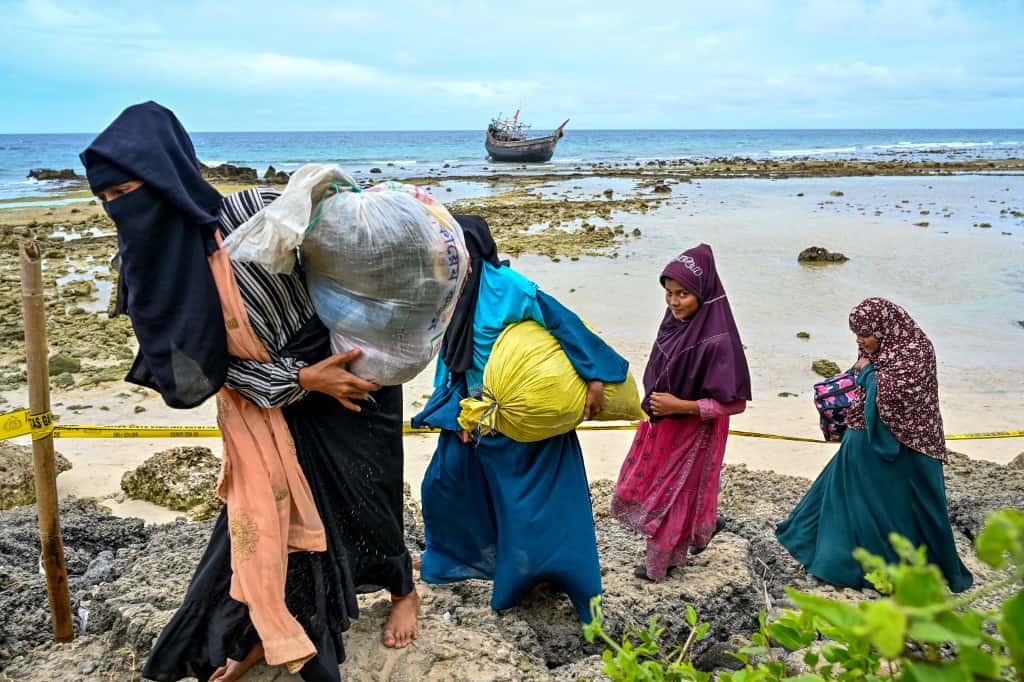
Rohingya refugees
For nearly two weeks, about 400 Rohingya refugees have been adrift on two boats in the Andaman Sea, the United Nations refugee agency said, urging the regional governments to help them.
The boats started from Bangladesh and are reported to have been at sea for about two weeks.
“There are about 400 children, women and men looking death in the eye if there are no moves to save these desperate souls,” said Babar Baloch, the regional spokesperson for the UN refugee agency, reports AP news agency.
Baloch believes that the incident could turn into another tragedy, similar to the one in December 2022, if the refugees are not given assistance.
In 2022, a boat of about 180 people went missing in what many described as the “darkest such incidents in the region”.
'Might turn into another human tragedy'
The captain of one of the boats told the AP news agency that about 180 to 190 people on board were out of food and water and the engine was damaged.
The captain, who identified himself as Maan Nokim, said that all could die if no one intervened to help them.
On Sunday, Nokim said the boat was 200 miles (320 km) from Thailand’s west coast. The whereabouts of the other boat were unclear.
The location shared by Nokim is about the same distance from Indonesia’s northernmost province of Aceh, where another boat with 139 people landed on Saturday on Sabang Island, off the tip of Sumatra, Baloch said.
Those on the ship included 58 children, 45 women and 36 men – the typical balance of those making the sea journey, he said. Hundreds more arrived in Aceh last month.
Abduction, gang violence driving out Rohingyafrom Bangladesh
However, a Thai Navy spokesperson on Monday said that he had no information about the boats.
The minority Rohingya community of Myanmar has been living in camps in Bangladesh since 2017 after a brutal counterinsurgency campaign tore through their communities.
It is estimated that around 7,40,000 Rohingyas have been living in the Bangladeshi camps, and many of them have been shifted to an isolated silt island called Bhashan Char.
However, gang violence and abduction have been driving out the refugees from Bangladesh, with many even landing in Indonesia.
More than half a dozen boats have arrived in Aceh since November 14, and monitors say more are on their way, despite some locals turning away arriving boats back to sea and stepping up patrols on the coast, reports AFP news agency.
Myanmar security forces have been accused of mass rapes, killings and the burning of thousands of Rohingya homes, and international courts are considering whether their actions constituted genocide.
(With inputs from agencies)