When eyes 'talk' to ear: Microphones in ear canal can tell where a person is looking

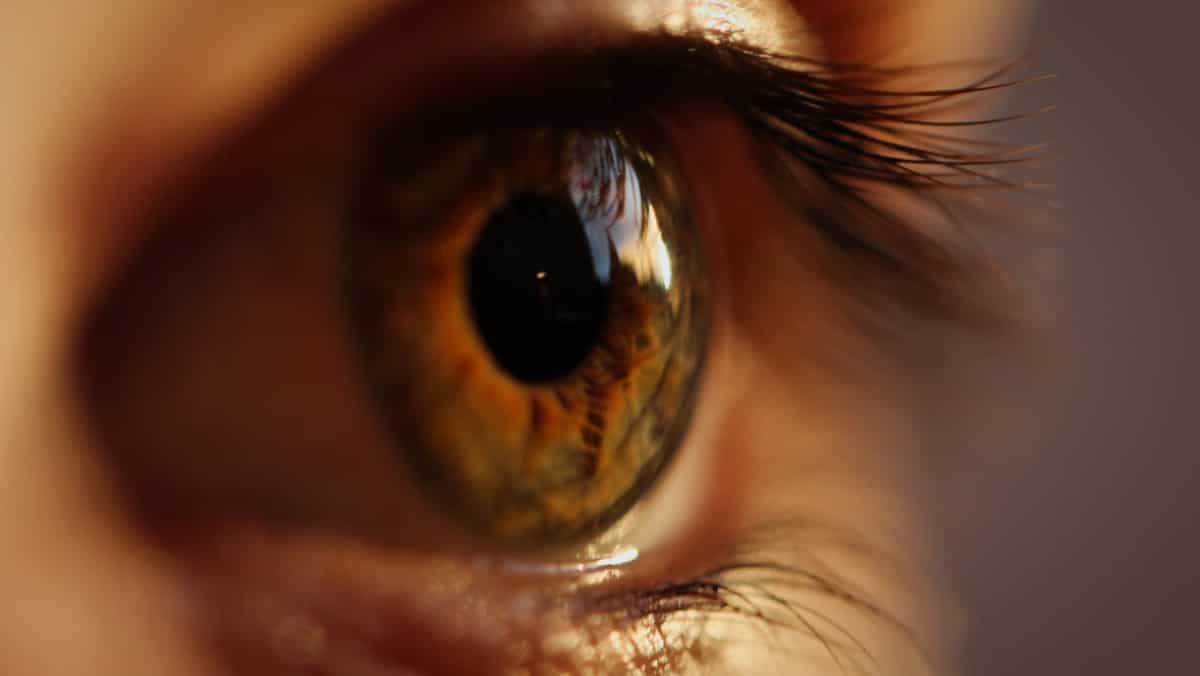
Representative image of an eye
A fascinating study has found that the eyes have a way of 'talking' to the ears.Researchers have discovered that microphones strategically placed in the ear canal can pick up subtle sounds produced by eyeball movements, media reports said quoting astudy. The study published in the Proceedings of the National Academy of Sciences also highlighted the potential implications for visual-auditory tasks.
This will allow scientists to determine the direction in which a person is looking. These sounds, which are imperceptible to the conscious mind, are believed to be related to the contraction of ear muscles prompted by signals from eye movements. As per reports, these mechanisms might be linked to the brain's ability to coordinate visual and auditory information. This facilitates locating the sounds even when the eyes are in motion and the ears are not.
While the exact function of these eye-generated sounds remains uncertain, researchers are speculating that they may contribute to sharpening perception.
Study can help in clinical tests for hearing
The study is a crucial development as researchers also suggested that understanding these subtle noises could potentially lead to the development of innovative clinical tests for hearing.
It also indicated that similar to how pupils dilate to regulate light intake, the ears seem to have mechanisms that adjust to loud sounds. Moreover, previous research indicated that eye movements trigger these auditory regulation mechanisms.
Watch |Indian Doctoral student killed in US | America's gun problem becomes a global human issue | WION
Reports while quoting the senior author of the paper Jennifer Groh said, “You can actually estimate the movement of the eyes, the position of the target that the eyes are going to look at, just from recordings made with a microphone in the ear canal. We think this is part of a system for allowing the brain to match up where sights and sounds are located, even though our eyes can move when our head and ears do not."
"Some folks have a really reproducible signal day-to-day, and you can measure it quickly. You might expect those folks to be really good at a visual-auditory task compared to other folks, where it’s more variable,"Groh added.
(With inputs from agencies)