US beekeepers fight to replenish honeybee colonies amid high death rates

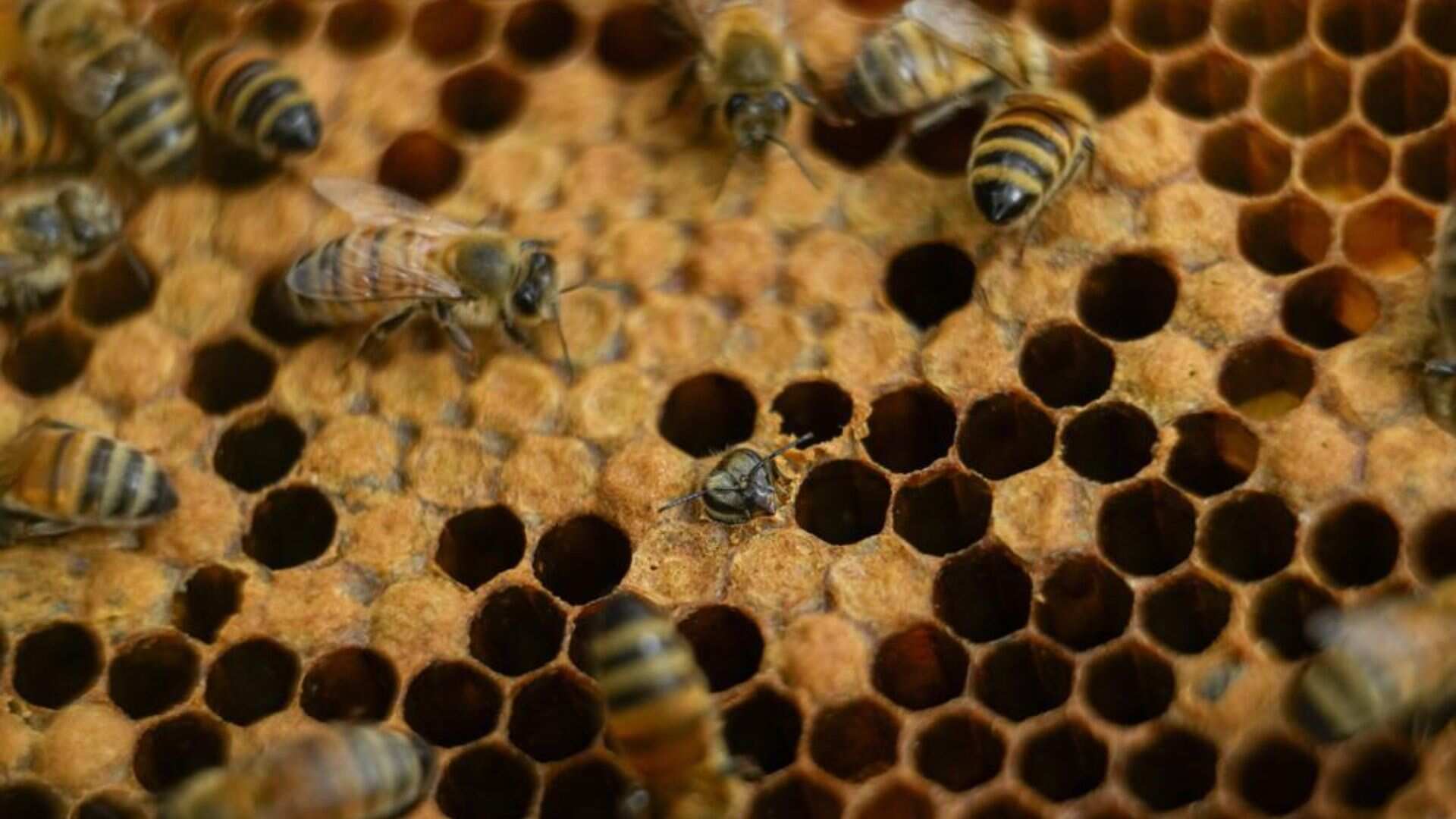
Bee hive
As per an annual bee survey conducted by the University of Maryland and Auburn University, honeybee hives in the United States have experienced the second highest death rate on record, with beekeepers losing nearly half of their managed colonies. However, despite this staggering loss, the survey also found that the overall number of honeybee colonies in the country has remained relatively stable, reported the Associated Press.
Honeybees play a vital role in pollinating more than 100 crops, including nuts, vegetables, berries, citrus fruits, and melons. Scientists attribute the high mortality rate to a combination of factors, including parasites, pesticides, starvation, and the effects of climate change.
The survey reports that the 48 per centloss of colonies in the past year is higher than the previous year's loss of 39% and the 12-year average of 39.6 per cent.However, it is not as severe as the 50.8 per centmortality rate observed in the 2020-2021 period. Beekeepers participating in the survey indicated that a 21 per centloss over the winter is deemed acceptable, yet more than three-fifths of them reported losses higher than threshold.
To maintain the overall population of honeybee colonies, commercial beekeepers invest significant resources in splitting and restocking their hives. This involves finding or purchasing new queens or even starter packs for colonies, which is an expensive and time-consuming process. This approach has helped beekeepers rebound from substantial losses, contributing to the relative stability of the bee colony population.
Combination of factors including parasites, pesticides, starvation, and climate change lead to significant die-offs
While the current situation is far from the crisis observed 15 years ago, when managed pollination was under serious threat, challenges persist. Experts believe that honeybees will not go extinct but will continue to face environmental threats. The varying degrees of colony losses experienced by different beekeepers demonstrate the unpredictable nature of these challenges. Factors such as parasitic mites, bad weather, queen issues, and pesticides further compound the difficulties faced by honeybees.
The parasitic mite Varroa destructor, which transmits viruses, is identified as the primary culprit behind honeybee losses. Pesticides exacerbate the problem by weakening bees' immune systems and reducing their ability to seek food. Even small infestations of varroa in colonies can have devastating effects, as they make bees more susceptible to viruses.
Other contributing factors include landscapes dominated by a single crop, which deprive bees of diverse food sources, as well as bouts of extreme weather. Despite these challenges, the demand for pollination from commercial bee colonies continues to grow, necessitating increased efforts from beekeepers to replenish their losses. The honeybee's crucial role in pollinating insect-dependent plants highlights the importance of addressing the threats and finding sustainable solutions to protect these vital pollinators.
(With inputs from agencies)
WATCH WION LIVE HERE: