'Universe breakers': James Webb telescope spots evidence of six ancient galaxies

Galaxies
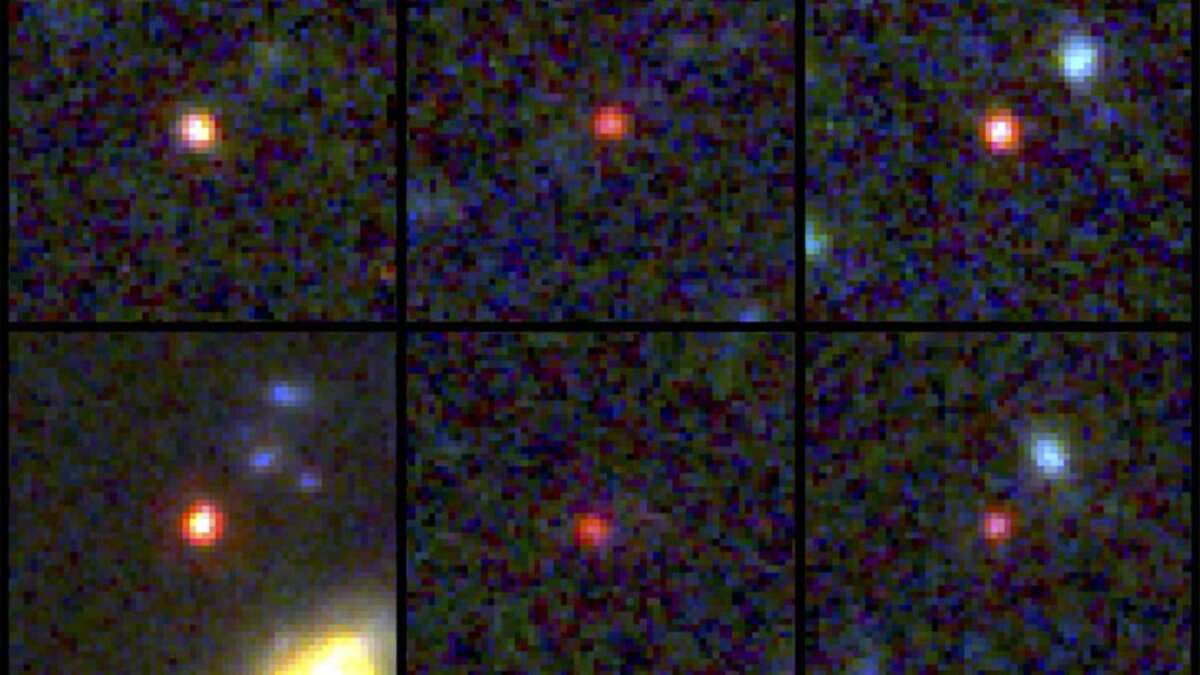
The James Webb Space Telescope, launched in 2021,has detected evidence of six massive ancient galaxies, which astronomers are calling 'universe breakers,' which can possibly change the existing theories of cosmology.
These objects possibly date to a time when the universe was just three per cent of its current age and are far larger than what was presumed possible for galaxies so early after the big bang, Guardian reported.
If confirmed, these findings would call into question scientists' understanding of how the galaxies were formed.
Jeo Leja, an astrophysicist at Penn State Univeristy said, "these objects are way more massive than anyone expected." "We expected only to find tiny, young, baby galaxies at this point in time, but we’ve discovered galaxies as mature as our own in what was previously understood to be the dawn of the universe."
The observation comes from the first dataset released from NASA's James Webb space telescope, which is equipped with an infrared-sensing instrument that is capable of detecting light emitted by most of the ancient stars and galaxies.
Dr Erica Nelson from the Univeristy of Colorado Boulder spotted a series of 'fuzzy dots' that appeared unusually bright and red.
Redness in astronomy is a proxy for age, which happens as light travels across the expanding universe it is stretched out or red-shifted.
Experts believe that these galaxies appeared to be roughly 13.5 billion years old and about 500-700 million years after the big bang.
This observation is not the oldest galaxies spotted.
Last year, scientists spotted four galaxies that date to about 350 million years after the big bang.
(with inputs from agencies)
WATCH WION LIVE HERE