‘Too hot to handle’: Scientists warn even 1.5C of global heating may cause devastation on Earth

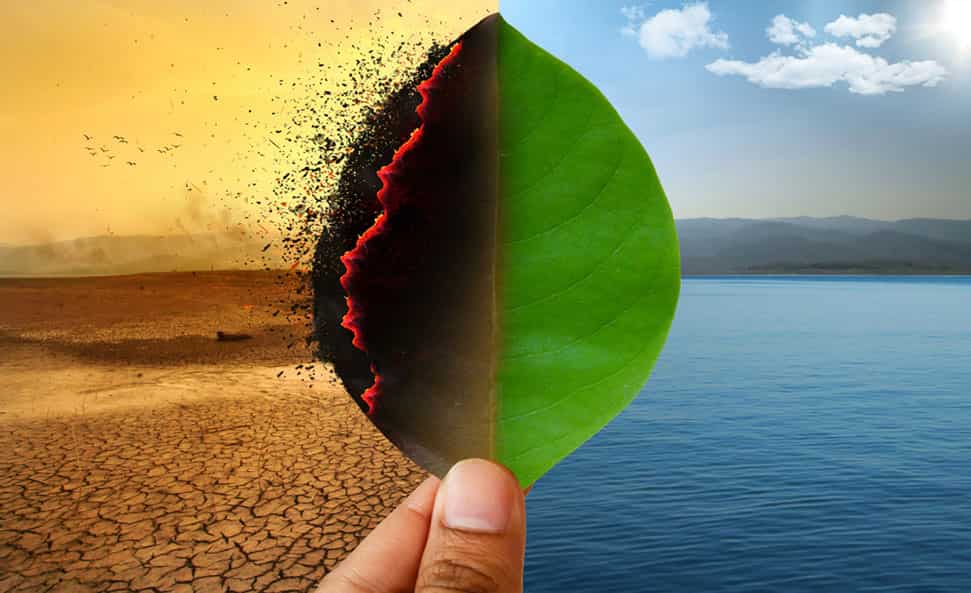
Scientists call for setting new climate change standards
While the world stands on the verge of breaching the 1.5 degreeCelsius threshold set by experts to avert a massive climate change crisis, a new study has revealed that even curbing global heating at the set target may not help developing nations alleviate their sufferings.
The study, published in Nature and supported by 70 research and policy centres, highlights that at least 200 million people will be exposed to unlivable heat and 500 million people will face destruction brought by rising seas globally even if the climate targets are achieved.
“The just boundary should be set at or below 1C,” the scientists noted. However, it must be noted that the Earth’s temperature has already risen 1.2 degreeCelsius than what it was 150 years ago.
Calls made for a new threshold
Scientists have voiced support for setting a new global standard for curbing global heating. "Nothing less than a just global transformation across all Earth system boundaries is required to ensure human well-being," the authors of the study concluded.
"Such transformations must be systemic across energy, food, urban and other sectors, addressing the economic, technological, political and other drivers of Earth system change, and ensure access for the poor through reductions and reallocation of resource use."
Temperature expected to rise 2.7 degreeCelsius by 2100
Experts have warned that with current policies and attitudes towards climate change, Earth is expected to see a rise of 2.7 degreeCelsius in temperature by the century’s end.
We are "putting the stability and resilience of the entire planet at risk," said Johan Rockstrom, lead author of the new study.
Watch:WION Climate Crisis: A decisive battle against climate change
"If significant harm is to be avoided, the just boundary should be set at or below 1C," the author wrote.
World expected to breach 1.5 degreeCelsius limit
Nearly 200 nations have based their climate plans on the goal of limiting global warming to 1.5 degreeCelsius above pre-industrial levels. However, with rising carbon emissions and global temperatures, it appears increasingly likely that this target will be exceeded. Climate experts, though, often reluctant to voice it publicly, believe that surpassing the 1.5 degreeCelsius threshold is inevitable due to the current rate of warming.
The implications of this potential overshoot have triggered a debate within the scientific community and policy circles, as it challenges a central pillar of global climate planning.
WATCH WION LIVE HERE