Sun has reached its ‘solar maximum period’ officially. Here's what will happen next

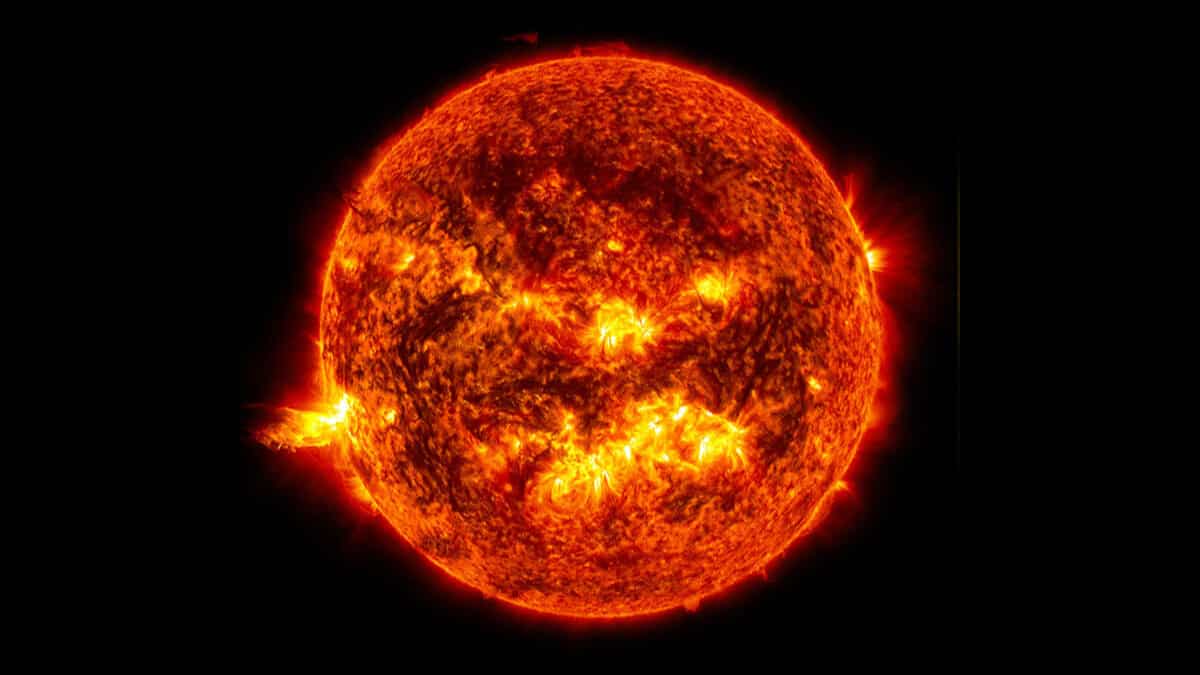
Representational image of Sun.
The sun has now reached its "solar maximum period" in this solar cycle because of which there have been increased sunspots and solar activity in the star.
NASA’sSpace WeatherProgramme head Jamie Favors said that solar maximum is a time when increased sunspots and solar activity are likely to have implications on the everyday lives of humans on Earth.
“This increase in activity provides an exciting opportunity to learn about our closest star — but also causes real effects on Earth and throughout our solar system,” explained Favors.
What is solar maximum?
Solar maximum is part of the 11-year cycle of the Sun in which it changes its magnetic activity.
The cycle reaches its peak amid a solar maximum in a way that sometimes the magnetic North and South poles of Earth switch their places every decade. There is a surge in solar activity because of this dramatic flipping.
When the Sun reaches its solar maximum, the surface is filled with more sunspots and releases more solar flares and solar material known ascoronal mass ejections (CMEs).
Sunspots appear like dark patches on the solar surface, they are cooler in comparison to their surroundings and are the hotbeds for solar eruptions.
How does solar maximum impact lives on Earth?
Sun's solar flares and CMEs lead to solar storms which belts Earth with charged particles. After reaching our planet, these flares interact with the magnetic field of Earth and cause geomagnetic storms.
The storms are capable of interrupting satellite communications and messing with radio and GPS signals and sometimes even power grids.
“This announcement doesn’t mean that this is the peak of solar activity we’ll see this solar cycle,” explained Elsayed Talaat, director of space weather operations at theSWPC.
“While the Sun has reached the solar maximum period, the month that solar activity peaks on the Sun will not be identified for months or years," she added, as reported by Earth.com.
Lead scientist at Southwest Research Institute in San Antonio, Texas and co-chair of the Solar Cycle Prediction Panel Lisa Upton said, “Solar Cycle 25 sunspot activity has slightlyexceeded expectations. However, despite seeing a few large storms, they aren’t larger than what we might expect during the maximum phase of the cycle.”
(With inputs from agencies)