Soviet-era rocket launched in 1980 makes re-entry, falls in Arctic region of Russia

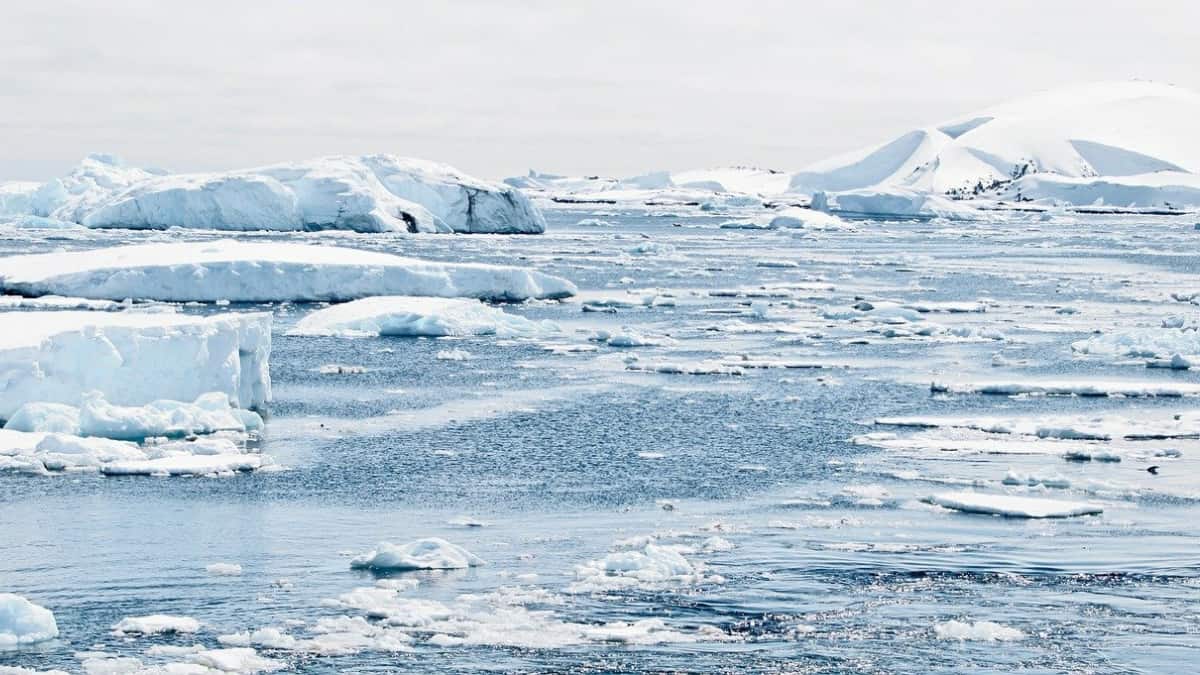
Arctic sea ice
Rocket launches have been going on for decades. But what happens after a single-use rocket does its part? There is no further use of the machinery. Though now international conventions try to lessen the debris around the Earth, it was often a practice of space agencies to leave the defunct rockets in space. These were then fated to revolve around the Earth for long.
A Soviet-era rocket, or whatever remained of it, has finally returned to Earth after spending decades in orbit around the Earth.
The one-and-a-half tonne Soviet Vostok-2M Blok E rocket was used to propel a surveillance satellite in 1980. The rocket made a re-entry in Earth's atmosphere and collapsed near Novoya Zemlya in the Arctic region of Russia. The rocket had to withstand high temperatures as it fell through Earth's atmosphere.
“...It's been totally dead since mid 1980, so no way to control the re-entry,” astronomer and leading orbit watcher Jonathan McDowell explained on Twitter. “Eventually, the orbit shrank due to friction with the atmosphere.”
The 3000-pound rocket was big enough to keep an eye on during its re-entry, but it was not going to pose as much of a threat as Chinese Long March rockets which weigh 20 tonnes. Some of these rockets have made uncontrolled entriesin recent times.
Modern rockets are now fitted with separate propellers which help guide them to a predetermined sparsely populated location for safe re-entry.
(With inputs from agencies)
You can now write for wionews.com and be a part of the community. Share your stories and opinions with us here.
WATCH WION LIVE HERE