

&imwidth=800&imheight=600&format=webp&quality=medium "Solar storms can trigger heart attacks in women, shocking study finds")
NASA has warned that the sun is becoming active and can slam Earth with extreme solar storms in the coming weeks. We are aware of the coomunications disruptions geostorms can cause; however, a study has revealed that they can wreak havoc on human health. Researchers from the National Institute for Space Research (INPE) in Brazil have noted a bizarre consequence of solar storms striking the invisible shield around Earth. They revealed that women were at a three times higher risk of heart attacks on days when geomagnetic storms struck the planet's magnetic field. This protective bubble safeguards Earth from harmful solar radiation, and a weakening cover could adversely affect humans. When solar storms hit this shield, the heart is impacted, since the body's natural rhythms and stress systems take a hit, according to the new study. Also Read: World population will hit a dead end in THIS year — UN predicts 100mn drop by...
Solar particles can cause major health issues
The study authors state that solar storms change extremely low-frequency signals in the magnetic field. This can adversely affect brain waves and cause a disbalance of hormones like melatonin and serotonin, which are essential for the proper functioning of the body. All these are vital to regulate blood pressure, heart function, and other processes. The team of scientists found that women over the age of 31 were more vulnerable to geomagnetic changes. Those between the ages of 31 and 60 could suffer three times as many heart attacks on days with magnetic disruptions. The other side effects include the risk of skin cancer due to excessive ultraviolet (UV) radiation. People with asthma are also likely to suffer breathing issues during solar storms.
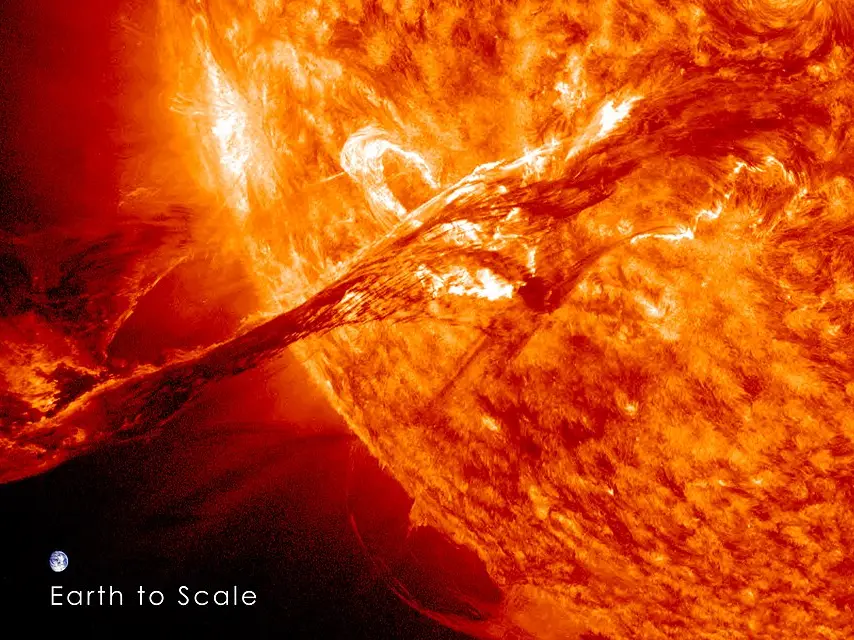
The Sun often releases enormous flares and coronal mass ejections (CMEs), which contain charged particles. They go into differen directions in space, and even travel towards Earth. When they strike the magnetic field, beautiful auroras are formed, while also having a negative impact, such as disruption in satellite communications. The research has been published in the journal Nature Communications Medicine.

