Snakes have clitorises, claim scientists in new research slamming all taboos around female genitalia

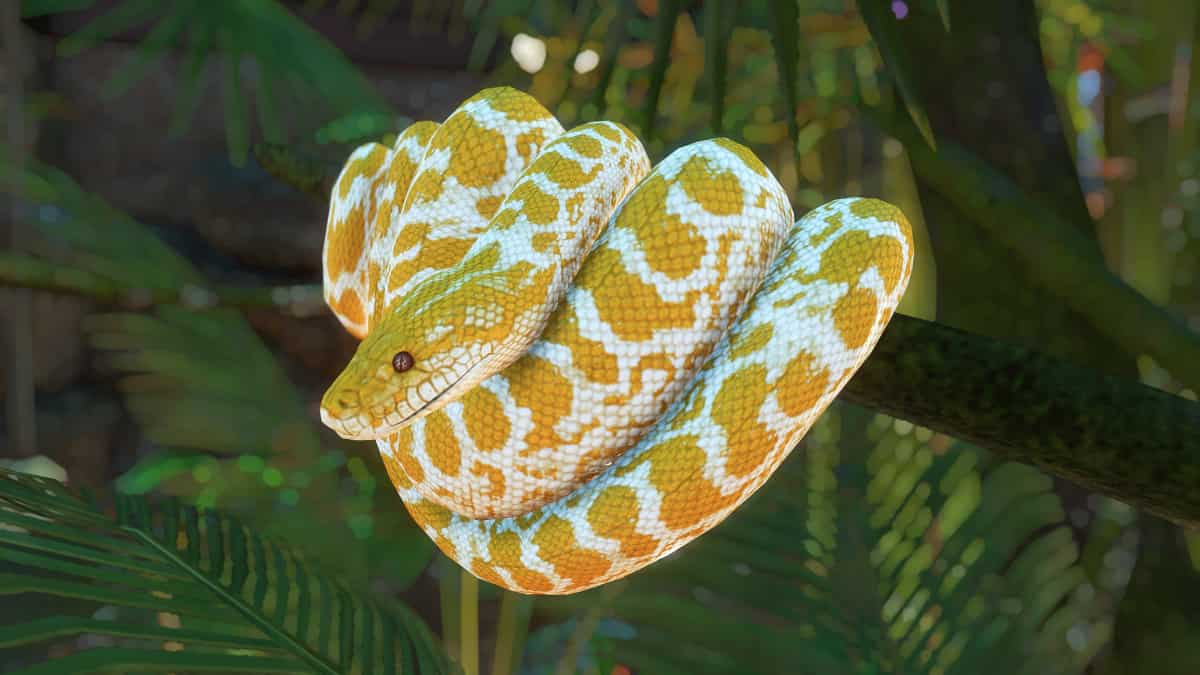
snakes
After detailed research on sex organs, scientists on Wednesday claimed that female snakes have clitorises.
Previous research hypothesised that female snakes were having scent glands, under-developed versions of penises. However, the new study has ruled out such theories by offering a complete description of 'clitorises.'
In a study published in the journal Proceedings of the Royal Society B, the authors wrote, "Female genitalia are conspicuously overlooked in comparison to their male counterparts, limiting our understanding of sexual reproduction across vertebrate lineages."
The research first began by analysing hemiclitoris, lead author Megan Folwell told AFP.
The term 'hemiclitoris' first originated in 1995 when German herpetologist Wolfgang Boehme described the first female sex organs. Till the 1800s, it was known that squamates have dual sex organs called 'hemipenis."
The team dissected 10 snakes from nine different species including python and Mexican moccasin.
They found a snake with two individual clitorises-- hemiclitorisseparated by tissue and hidden skin underside of its tail.
Some were quite thin and ranged from less than a millimetre to seven millimetres.
When asked why it took so long for the researchers to get here, Folwell said, "It's quite a taboo subject, female genitalia is not the easiest topic to bring up and be respected."
The new study suggests that clitorises may be common in squamates including snakes, and playsan essential role in reproduction. However, very few researches have been conducted on this for mammals including humans.
The new study comes following human research earlier this year that claimed that a human clitoris has between 1,100 to 9,850 nerve fibres which means 20 per cent more than what was cited earlier.
(With inputs from agencies)
WATCH WION LIVE HERE