Snakes have ability to evolve more quickly than their close relatives, reveals study

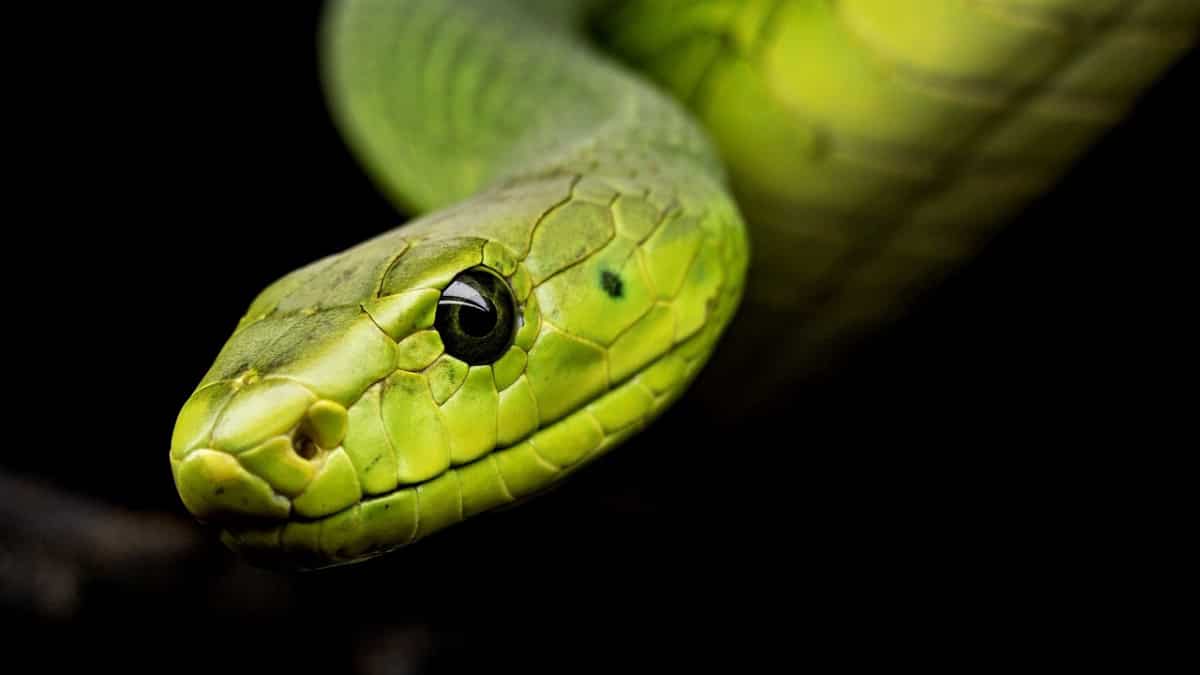
The headline of this report may inadvertently lead to mental imagery showing a snake performing tricks like an obedient dog. We can be certain with great confidence that these coils of sureshot death (well, not always) don't possess the characteristic canine impulse to obey agreeably. But a study has deemed snakes to be quick learners, over a period of millions of years that is. This does sound contradictory, yes. But the quick learning (in evolutionary sense) has made snakes quite successful as eras passed by in diversifying their own kind.
In the study, published in journal Science, the researchers say that due to snakes' greater adaptability to survive, they have been able to evolve more quickly than their close relatives in the animal world, like lizards. Not only this, the research says that snakes evolved upto three times faster than lizards.
"Snakes evolved faster and, dare we say it, better than some other groups. They are versatile and flexible and able to specialize on prey that other groups cannot use," said senior author Professor Daniel Rabosky of the University of Michigan as quoted by British Natural History Museum in a report on its website.
"The study really highlights the differences between snakes and legless lizards," said Dr Dr Marc Jones as quoted by Natural History Museum.
‘Being limbless is a great way to avoid being seen by predators and prey, but it’s striking how snakes have diversified so much compared to limbless lizards.’
Watch | Moon landing: US clinches first touchdown in 50 years
There are about 4000 species of snakes in the world. These include those that can swim, burrow, climb, glide and more. Different snakes eat different food, from snails to dead animals. Their hunting technique include range of tools and manoeuvres like venom, constriction and more.
In short, snakes have been able to find a way against adverse conditions in wide veriety of habitats in different climate zones around the world.
And this trait made them survive mass extinctions events like the one that killed dinosaurs.
(With inputs from agencies)