Scientists discover parasitic fungus which preys on spiders in Brazil

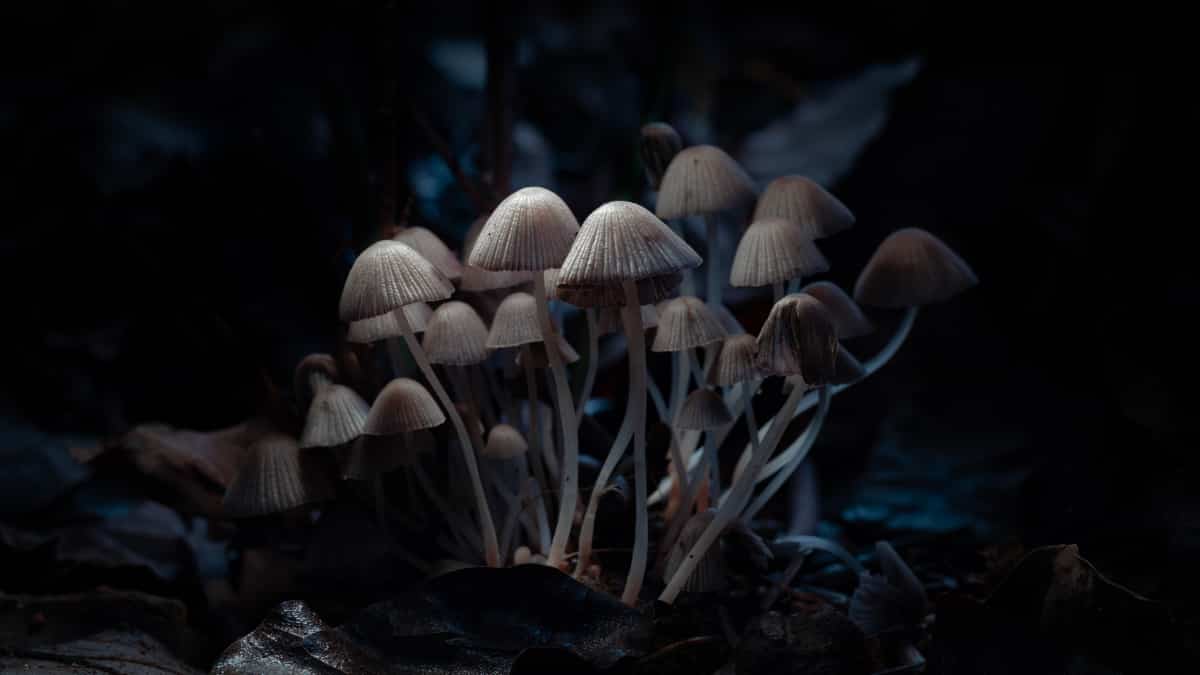
Representational image
Scientists have recently claimed to have discovered a new parasitic fungus which infects and kills trapdoor spiders in the Atlantic rainforest in Brazil.
The rare fungus is purple and is part of the group that infects invertebrates and then takes over the host. In a close-up image, the fungus is seen wrapped around a trapdoor spider's body, poking out of the burrow from which the insects are grabbed by the arachnid.
The researchers said that no evidence has surfaced till now which proves that the behaviour of trapdoor spiders is controlled by the newly-discovered parasitic fungus before the former is killed, like their zombie-ant fungi relatives, which tricks the insects into leaving their nests to reach places where they are free to spread their spores.
The scientists discovered the fungus during their field trip to forests north of Rio de Janeiro in November. They were visiting the forests to document the biodiversity of the area and find new species.
“It’s a really beautiful thing,” stated Dr Joao Araujo, a Brazilian mycologist with the New York Botanical Garden who found the parasitic fungus.
“They infect trapdoor spiders, and it’s one of the very few cordyceps that are purple, which is a cool feature. We don’t know much about this fungal group because it’s very understudied. This kind of fungus has been collected very few times in the world, mostly in Thailand. This will likely be the first time we sequence a species like this from Brazil,” he added.
The expedition, which was held in collaboration between the New York Botanical Garden, Kew, Royal Botanic Gardens, Rio de Janeiro Botanical Garden and other organisations, included experts on fungi, birds, snakes, frogs and plants.
“The new species that attacks trapdoor spiders belongs to a mega-diverse group of fungi. We know about 1% of its diversity, so we know very little. Foundational scientific work is needed so we can, perhaps, investigate new medical compounds or use them to protect against pests in crops,” Araujo said.
WATCH | Zombie Fungus: Fungal pandemic can turn humans into zombies?
Lead researchers Dr Natalia Przelomska and Dr Oscar Alejandro Pérez Escobar, who carried out in-the-field sequencing, said that the new species hypothesis will be backed by their work and can be used for speeding up the identification of other species in ecosystems.
“Here at Kew, we have access to big DNA sequencing machines and all sorts of ways to produce data. That is often so much harder in biodiverse countries. So what was really special about the field trip was that we could go and use some of the newest DNA sequencing technologies with the people working there. It’s one small step in this really big problem of unequal access,” Przelomska said.
You cannow write for wionews.comand be a part of the community. Share your stories and opinions with ushere.
WATCH WION LIVE HERE