
&imwidth=800&imheight=600&format=webp&quality=medium "Russia is sending animals into space! Here's why....")
On August 20, 2025, Russia is set to launch the Bion-M No. 2 biosatellite aboard a Soyuz-2.1b rocket from the Baikonur Cosmodrome in Kazakhstan. Described as a modern 'Noah’s Ark,' the spacecraft will carry 75 mice, more than 1,000 fruit flies, cell cultures, microorganisms, and plant seeds for a 30-day mission in orbit. The biosatellite is designed to investigate how prolonged exposure to microgravity and radiation affects living organisms, providing essential data for the future of human spaceflight.
This mission builds on the Bion-M No. 1 flight of 2013, but Bion-M No. 2 will orbit at an inclination of roughly 97 degrees, a pole-to-pole path where cosmic radiation levels are significantly higher. Researchers expect at least a tenfold increase in radiation compared to the earlier mission, creating conditions that more closely mirror those faced by astronauts on deep-space journeys.
)
Examining Biological Responses in Space

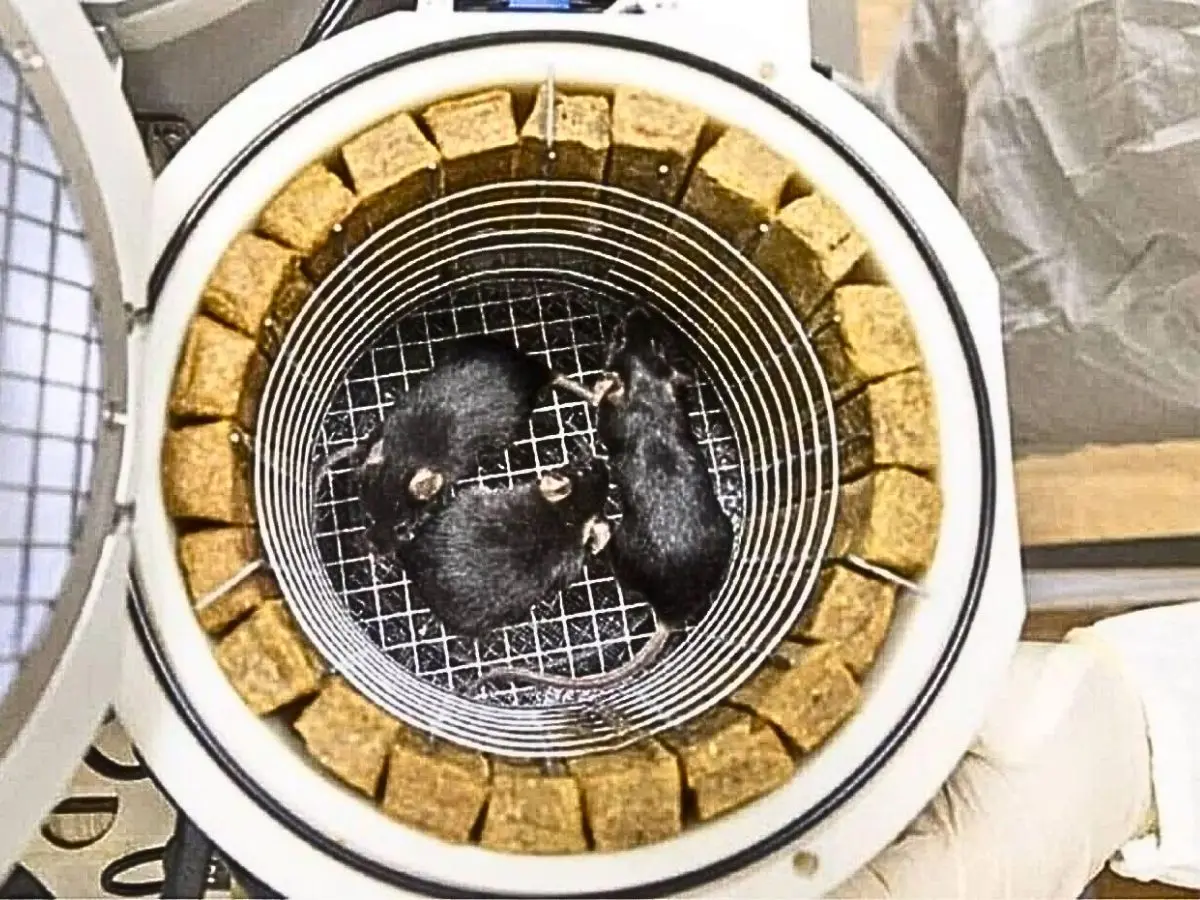
The mice are central to the research due to their genetic similarity to humans, short life cycles, and heightened sensitivity to radiation. They will be divided into three groups: one housed under normal conditions on Earth, another placed in a ground-based simulator to replicate the spacecraft environment, and the third sent into orbit. This controlled approach will allow scientists to compare the effects of spaceflight with Earth-based counterparts.
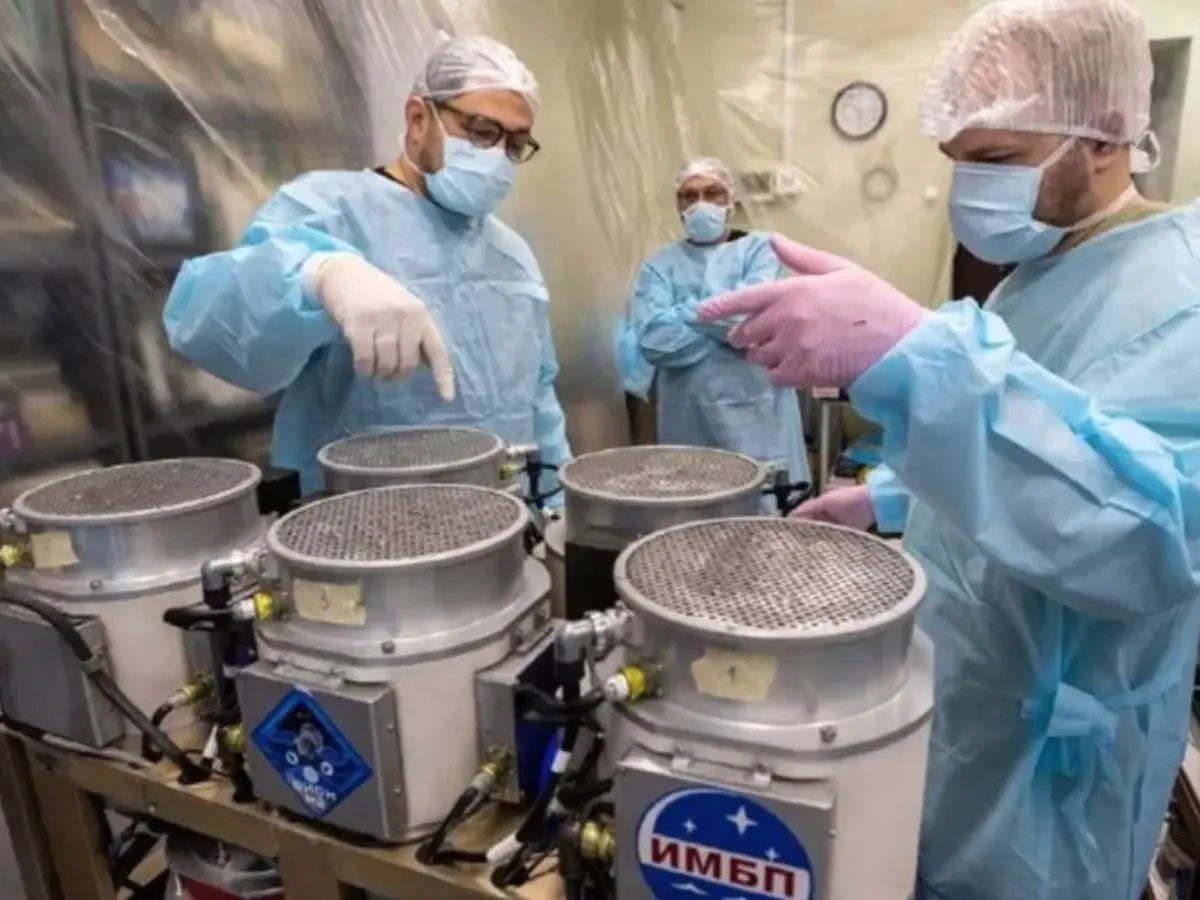
Each mouse container is equipped with systems for feeding, lighting, ventilation, and waste disposal. Cameras and sensors will deliver real-time data, while some rodents will carry implanted chips to monitor physiological changes. Upon their return, scientists will study how the mice adapted to space and how they recovered once back under Earth’s gravity. Alongside the rodents, fruit flies will provide complementary data on radiation effects at the genetic and cellular level, given their well-documented biology and rapid generational turnover.
)
Testing Lunar Simulants for Future Exploration
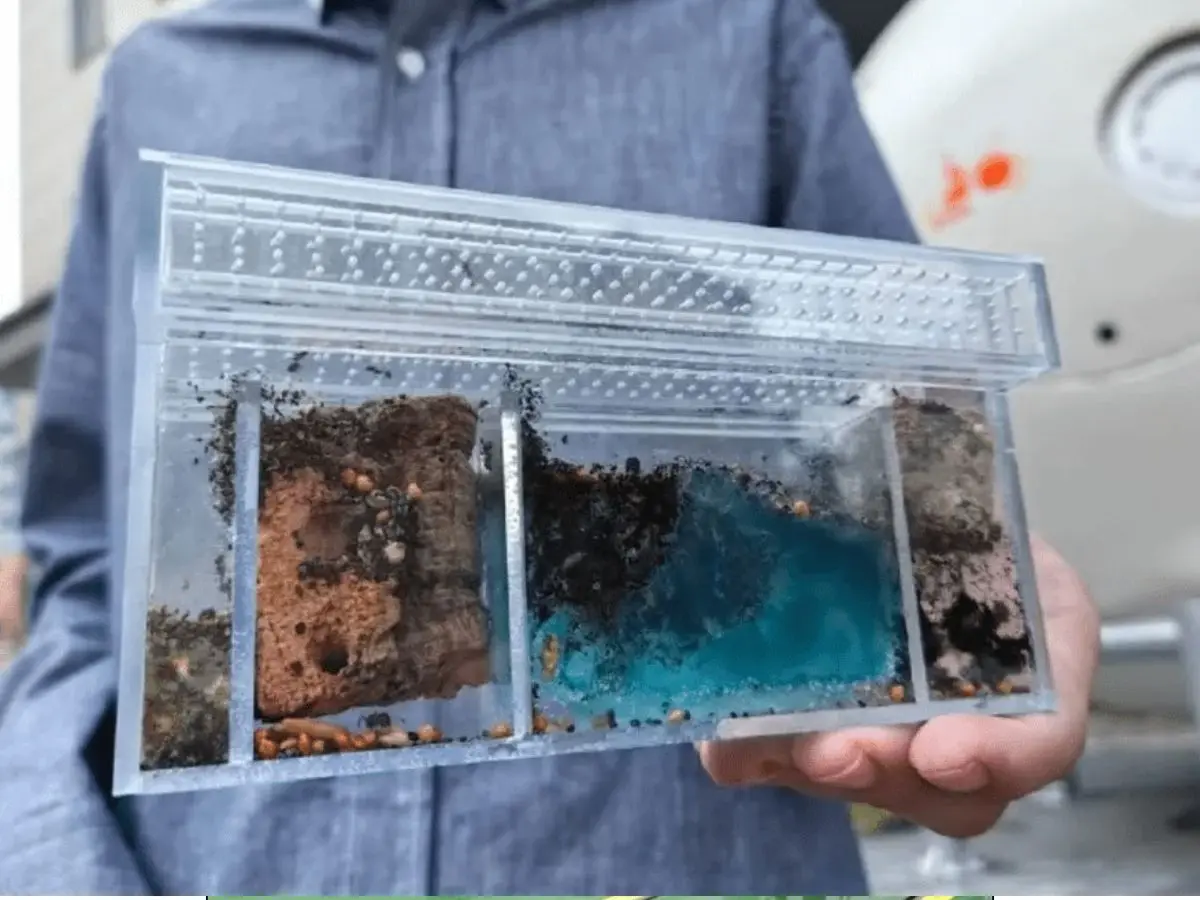
In addition to biological specimens, the mission carries lunar simulants, dust and rock analogues developed by the Vernadsky Institute of Geochemistry and the Institute of Medical and Biological Problems. Contained in 16 sealed test tubes, these materials replicate the surface found in high-latitude regions of the Moon. After the mission, scientists will analyse how exposure to space radiation and vacuum conditions alters their properties. The findings could inform future lunar construction projects by showing how building materials derived from local resources might perform on the Moon.
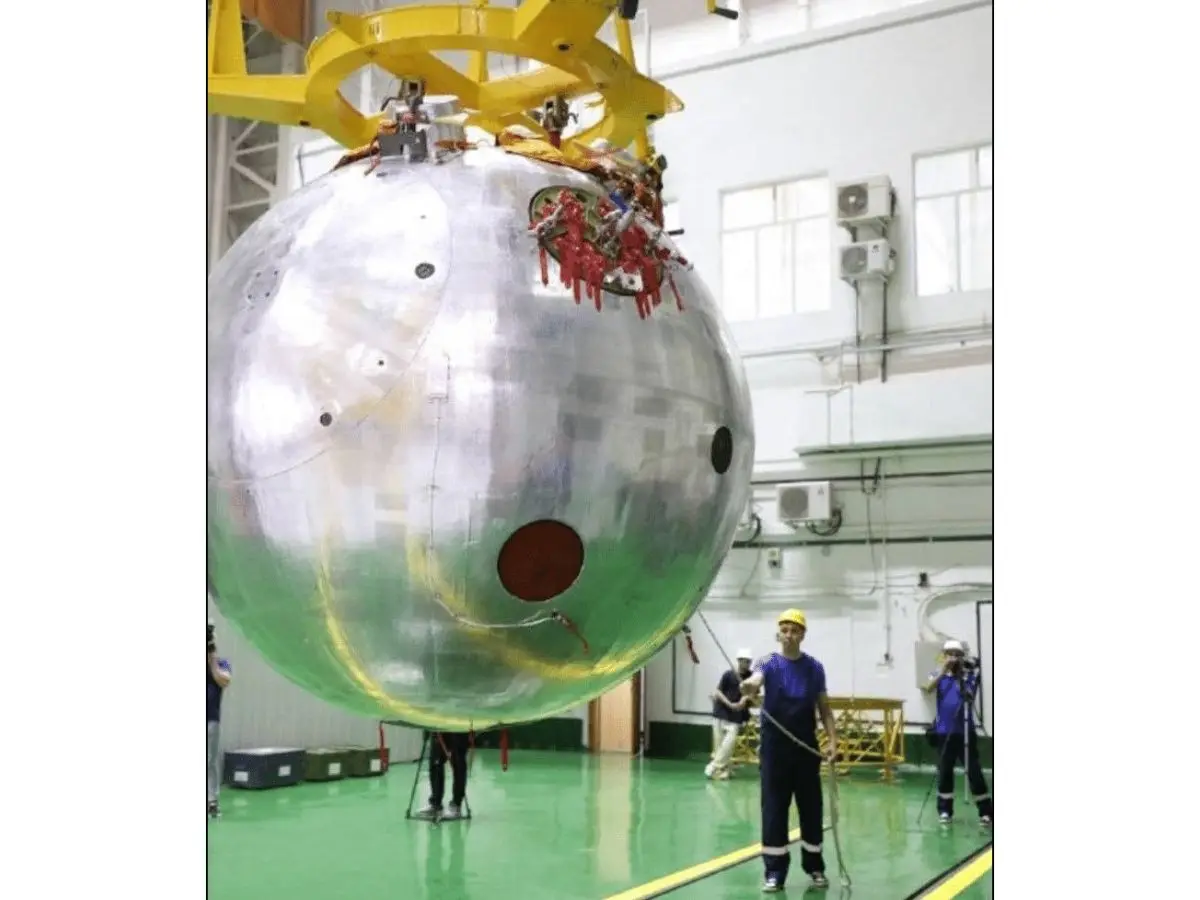)
Technicians working on the Bion-M No. 2 mission Photograph: (Roscosmos)
Preparing for Long-Duration Missions
The Bion-M No. 2 mission is expected to generate critical insights into how microgravity and radiation affect biological health, information directly relevant to long-term crewed missions to the Moon, Mars, and beyond. By understanding radiation susceptibility, scientists hope to improve medical support requirements for astronauts and develop measures to reduce risks during extended voyages. The data gathered could also inform new approaches in medicine on Earth.
With more than ten experiments prepared by Russian research institutes, Bion-M No. 2 marks an important step in bridging the gap between biological research on Earth and the challenges of deep space.

