Photos by NASA reveal stunning details of our solar system's largest canyon

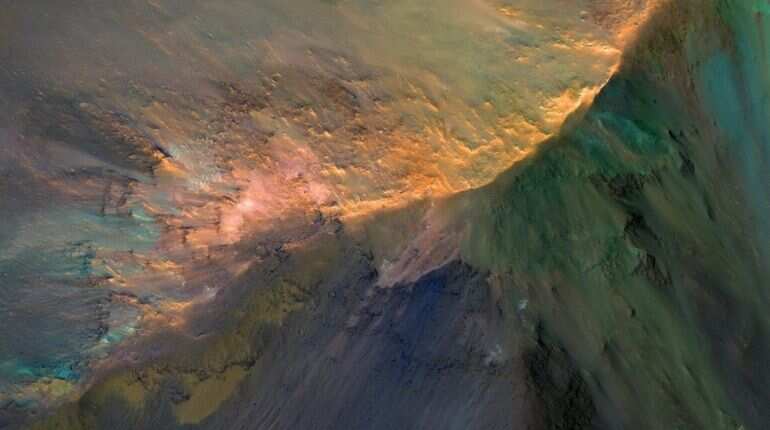
This NASA image obtained March 21, 2017 shows many hills about 1 kilometer high in Juventae Chasma, which is located north of the main Valles Marineris canyon system on Mars. The floor of the canyon is covered by a sea of sand, but the hills rise above th
The Grand Canyon in the US state of Arizona may be huge, but it doesn’t stand a chance against the Martian counterpart. The Valles Marineris Canyon on Mars runs along the equator for over 4023 kilometres (2500 miles). NASA claims that it is so vast that it would reach from New York City to San Francisco had it existed on Earth.
Also read:Why is Earth spinning faster than it has in 50 years?
Considered the largest canyon in the solar system, new images from NASA reinforce this claim.
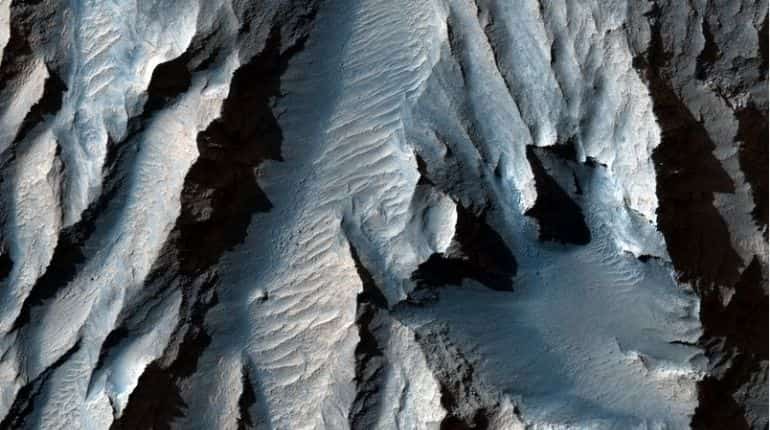
The Mars Reconnaissance Orbiter recently revealed more details about this mega canyon. Images of the canyon were taken using the HiRISE (High Resolution Imaging Science Experiment) - which is the most powerful camera ever to be sent to another planet.
Also read:Aliens in our galaxy may have perished due to too much progress, study suggests
According to the University of Arizona, it’s one of six instruments onboard the Mars Reconnaissance Orbiter. Scientists still don’t understand how the huge canyon came into being.
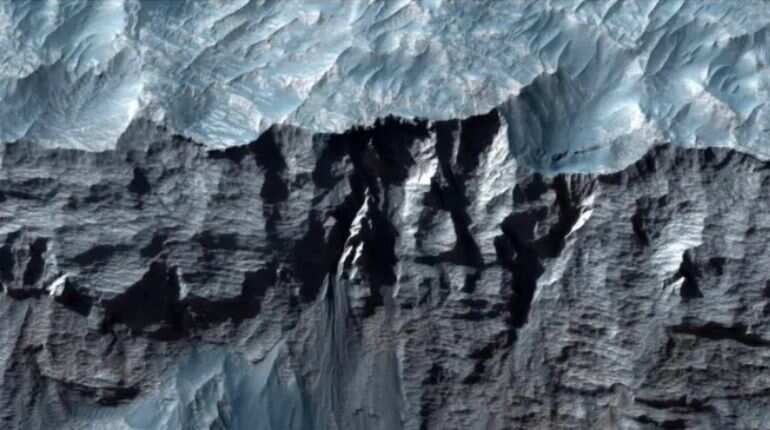
"Unlike Earth's Grand Canyon, Valles Marineris probably wasn't carved out by billions of years of rushing water; the Red Planet is too hot and dry to have ever accommodated a river large enough to slash through the crust like that,"LiveScience claims.
It is also entirely possible that a large area of the canyon cracked open billions of years ago, as claimed by the European Space Agency.
They claim that volcanoes in the Tharsis region may be partially responsible for the formation of the canyon.