Ocean plastic pollution reaches 'unprecedented levels' since 2005

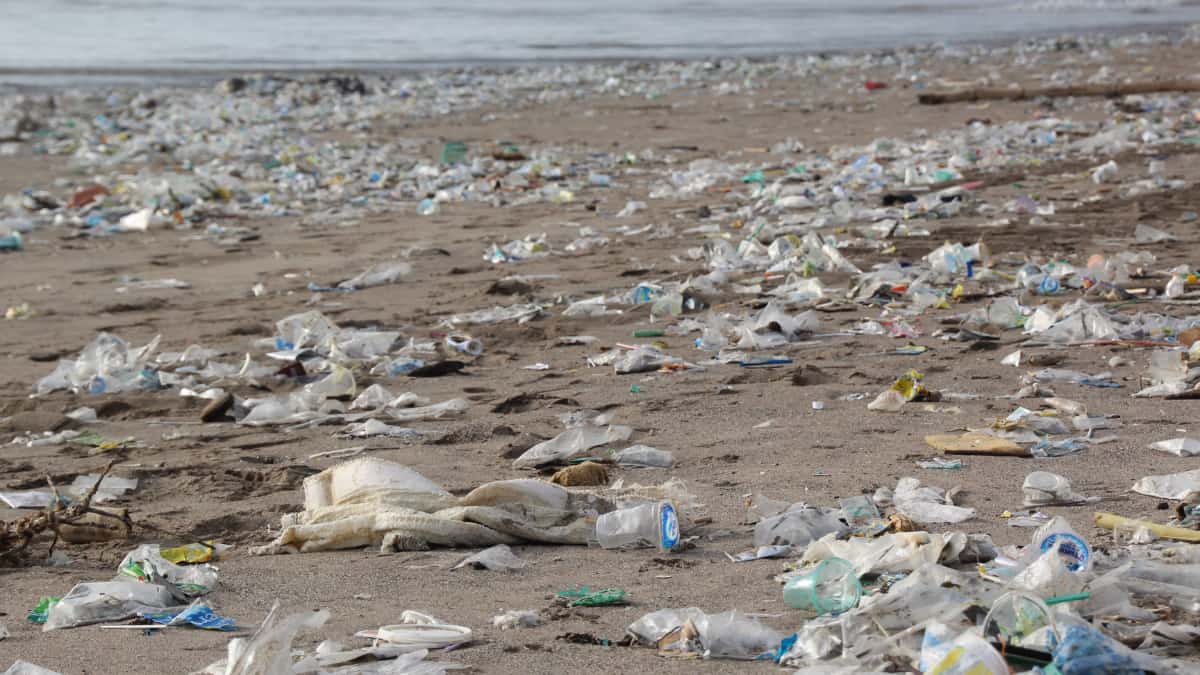
plastic pollution
A new study has revealed that plastic pollution in the world's oceans has reached "unprecedented levels" since 2005, urging for a legally binding international treaty to stop the harmful waste.
The study published in the journal PLOS One on Wednesday found that there are almost 170 trillion pieces of plastics, mainly microplastics on the surface of the world's oceans. As per experts, the amounts were much higher than what was anticipated and the rate of plastic entering the oceans can increase severely in the coming years if left unchecked.
Ocean plastic pollution is a persistent problem across the globe which makes animals consume plastics, which eventually is consumed by humans.
For this, researchers took plastic samples from more than 11,000 stations around the world mainly focusing on a 40-year period between 1979 and 2019. The researchers claimed that the sources of pollution are numerous.
In 1950, only two million tonnes of plastic waste was there.
The study examined samples from the North Atlantic, the South Atlantic, the North Pacific, the South Pacific, and the Indian and Mediterranean oceans.
The research was produced by Economist Impact and The Nippon Foundation.
Lisa Erdle, one of the contributing authors told AFP, "we see a really rapid increase since 2005 because there is a rapid increase in production and also a limited number of policies that are controlling the release of plastic into the ocean."
According to the report, as per current trends, plastic use will nearly get double from 2019 across the G20 countries by 2050 by reaching 451 million tonnes each year.
(with inputs from agencies)
WATCH WION LIVE HERE