Now, Champagne vineyards hit by fungus due to climate change

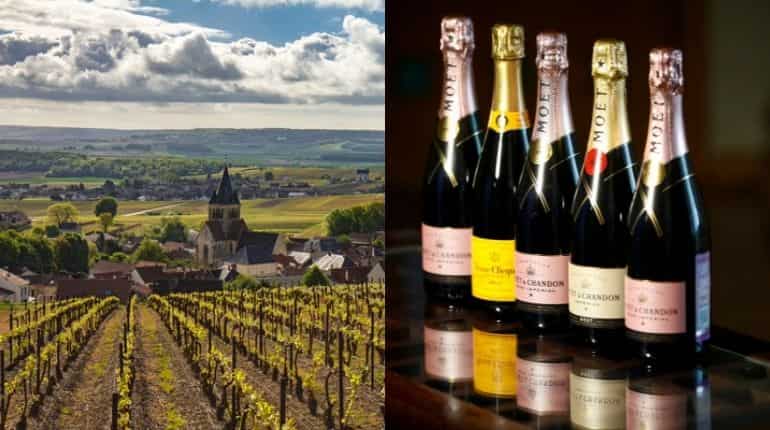
Wineyard in Paris along with bottles of Moet & Chandon and Veuve Clicquot French champagne
Champagne makers arehaving a difficult year due to heavy rainfall earlier this month which has caused fungus that attacks the grapes and causes the leaves to dry up.
About 20to 25 per centof theChampagnevineyard has been damaged by mildew fungus due caused by the rain, adding to severe losses caused by frosts earlier in the season.
Climate change is the big reason behind the new still-wine rush.Global warming allows grapes in this famously chilly region to ripen fully, giving wines more weight and flavor concentration.
The rise in the temperature in Champagne over the past three decades has been 1.1 Celcius, which also can advance harvest dates as grapes reach ripeness earlier.
The most prestigious of the world's sparkling wines,Champagneaccounts for just nine percent of global sparkling wine consumption, but 33 percent of its value.
More than half the 244 million bottles shipped each year go to buyers outside France.
Champagne is most often a mixture of several vintages. Winegrowers can keep a reserve of past years' output that can be used when there is a drop in output or extra demand that had not been anticipated.
(With inputs from agencies)