Not earthquake, but another natural disaster made volcanic eruption more deadly in Pompeii: study

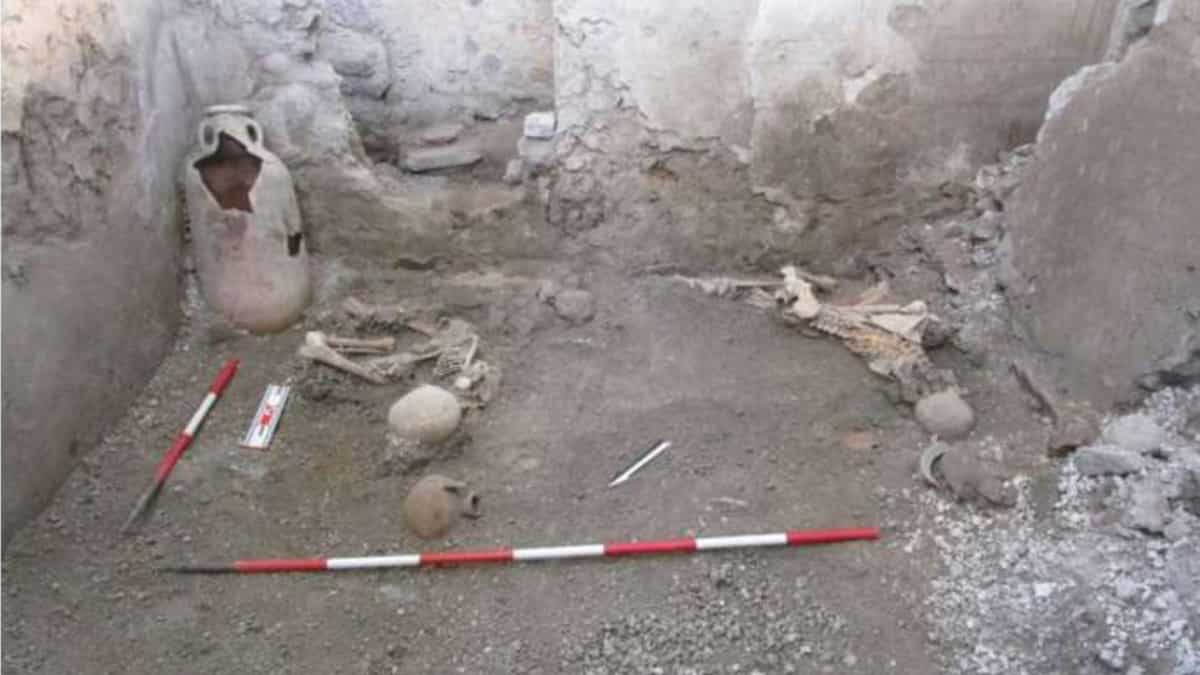
Image of skeleton found in the ruins of Pompeii.
In a new study,researchers from the Pompeii Archaeological Park and the Istituto Nazionale di GeofisicaeVulcanologia (INGV) found that the eruption of Vesuvius became more deadly because of another natural disaster and not an earthquake.
The collaborative study has emphasised the effects of seismicity related to the 79 CE eruption.

This is the first study which has been handling the complex task of understanding the effects of co-occurring earthquakes.
The situation appears tricky because of the possibility of volcanic and seismic effects taking place concurrently or in quick succession, which means volcanic effects are likely to overshadow effects caused by earthquakes and vice versa.
"These complexities are like ajigsaw puzzlein which all the pieces must fit together to unravel the complete picture," said Dr Domenico Sparice, who is a volcanologist at INGV-Osservatorio Vesuviano and first author of theFrontiers in Earth Science study.
&imwidth=180&imheight=135&format=webp&quality=medium)
Poland: 19-year-old stabs several at Polish vocational school
&imwidth=180&imheight=135&format=webp&quality=medium)
'Baseless and misconceived': India issues statement after Elon Musk's 'oligarchs' claim over Starlink delay
&imwidth=180&imheight=135&format=webp&quality=medium)
‘Team first and team ahead’: India coach Gambhir pens heartfelt wish for chief selector Ajit Agarkar
&imwidth=180&imheight=135&format=webp&quality=medium)
Trump's naked 23-karat gold statue unveiled near European Parliament
&imwidth=180&imheight=135&format=webp&quality=medium)
Nana Patekar: Remembering a legend of the Indian cinema
&imwidth=180&imheight=135&format=webp&quality=medium)
Captain Smit Machchhar on feet again, walks 10 steps as recovery continues after Flydubai flight attack
&imwidth=180&imheight=135&format=webp&quality=medium)
'They came in, they hit us': New videos show Iranian attacks on US Camp Buehring in Kuwait | Watch
&imwidth=180&imheight=135&format=webp&quality=medium)
Ronaldo sends 'a hug' after Messi says he misses 'wearing the blue and white'
&imwidth=180&imheight=135&format=webp&quality=medium)
Trump distances himself from senior political advisers over work for pro-Russian government
&imwidth=180&imheight=135&format=webp&quality=medium)
Narendra Modi Stadium bomb threat declared hoax; India & Australia U19 squads safe
&imwidth=180&imheight=135&format=webp&quality=medium)
US midterms 2026: Why the Latino vote could shape control of Congress
&imwidth=180&imheight=135&format=webp&quality=medium)
BTS agency HYBE announces first-ever Weverse Con Festival in India
&imwidth=180&imheight=135&format=webp&quality=medium)
US Midterms 2026: Barack Obama hits campaign trail to boost Democratic candidates
&imwidth=180&imheight=135&format=webp&quality=medium)
Shia LaBeouf and Mia Goth head for divorce after nearly 10 years
&imwidth=180&imheight=135&format=webp&quality=medium)
Nicolas Maduro, wife likely to face new charges over alleged torture of US citizens: Report
&imwidth=180&imheight=135&format=webp&quality=medium)
Texas man executed by lethal injection; first US execution since botched Christa Pike execution
&imwidth=180&imheight=135&format=webp&quality=medium)
Jon Rahm quits LIV Golf as breakaway tour attempts to relaunch itself
&imwidth=180&imheight=135&format=webp&quality=medium)
Christa Pike wakes after failed execution, asks 'Where am I and who are you?'
&imwidth=180&imheight=135&format=webp&quality=medium)
Christa Pike 'angry' and 'confused' after failed execution; judge orders to preserve evidence
&imwidth=180&imheight=135&format=webp&quality=medium)
Nigerian President Bola Ahmed Tinubu hails Modi’s 25-year leadership milestone, calls for deeper Nigeria-India strategic ties
&im=FitAndFill=(700,400)&imwidth=180&imheight=135&format=webp&quality=medium)
US midterms 2026: 10 leaders and candidates to watch in the battle for Congress
&imwidth=180&imheight=135&format=webp&quality=medium)
Nana Patekar's #MeToo controversy: From Tanushree Dutta’s allegations to court ruling
&imwidth=180&imheight=135&format=webp&quality=medium)
Veteran actor Nana Patekar dies at 75 after suffering cardiac arrest
&imwidth=180&imheight=135&format=webp&quality=medium)
Musk alleges ‘oligarchs’ blocking Starlink in India, here is what we know so far
&imwidth=180&imheight=135&format=webp&quality=medium)
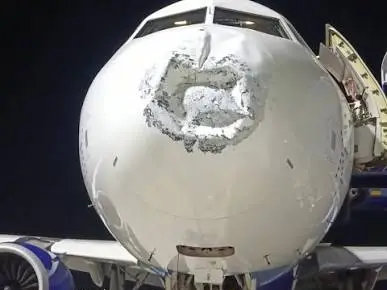
Lightning strikes IndiGo Patna-Lucknow flight at 17,000 feet, damages nose; all 110 safe
&imwidth=180&imheight=135&format=webp&quality=medium)
Mall of America attack: FBI arrests man over alleged ISIS-inspired mass shooting plot with AK-47 and 200 rounds
&imwidth=180&imheight=135&format=webp&quality=medium)
France holds talks with Taliban government amid diplomatic outreach
&imwidth=180&imheight=135&format=webp&quality=medium)
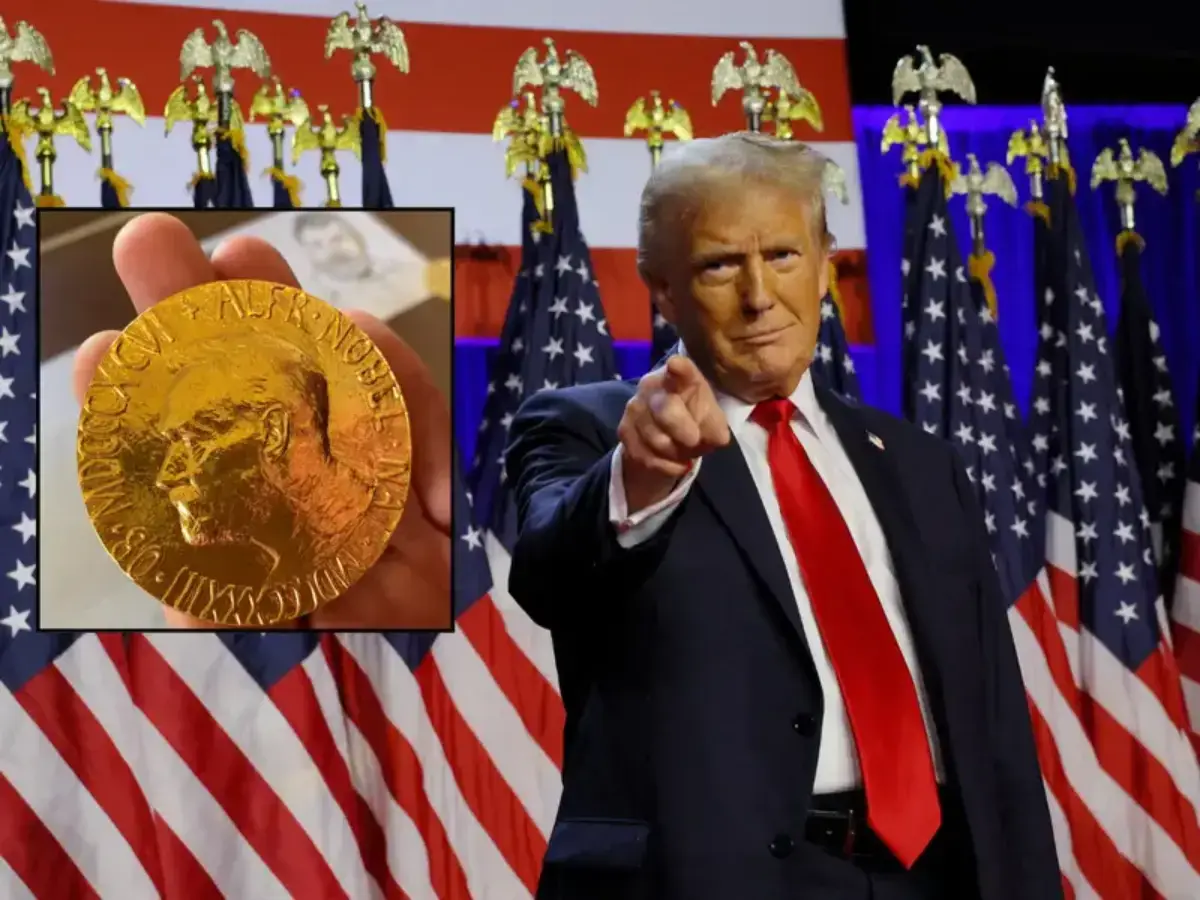
'I should win it': Trump renews Nobel Peace Prize claim ahead of 2026 announcement
&imwidth=180&imheight=135&format=webp&quality=medium)
IndiGo flight struck by lightning at 17,000 feet, nose of Patna-Lucknow flight damaged
&imwidth=180&imheight=135&format=webp&quality=medium)
US readying to strike Iran? Report suggests Trump preparing to put on show of strength ahead of US midterms
&im=FitAndFill=(700,400)&imwidth=180&imheight=135&format=webp&quality=medium)
World’s top vehicle producers: Top 10 countries making the most cars. Check where India stands
&imwidth=180&imheight=135&format=webp&quality=medium)
Trump to honour Elon Musk, Sergey Brin and Jensen Huang with top science honour at White House. Check the full list here
&imwidth=180&imheight=135&format=webp&quality=medium)
'We don't think so': Trump says Russian plague lab worker's death not linked to bio-weapon
&imwidth=180&imheight=135&format=webp&quality=medium)
France protests: How a Gen Z school movement turned into a political war | The Verdict
"We proved that seismicity during the eruption played a significant role in the destruction of Pompeii and, possibly, influenced the choices of the Pompeiians who faced an inevitable death," he said.
"Correctly recognising the cause-effect relationship is essential to reconstruct the interplay between volcanic and seismic phenomena, and their effects on buildings and humans," said co-author Dr. Fabrizio Galadini, who is a geologist and senior researcher at INGV.
Two skeletons speak about how Pompeii crumbled
The researchers, amid excavations in the "Casa dei Pittori al Lavoro", noticed that something was wrong regarding the collapsed buildings.
"We found peculiar characteristics that were inconsistent with the effects of volcanic phenomena described in the volcanological literature devoted to Pompeii. There had to be a different explanation," co-author Dr. Mauro Di Vito, who is a volcanologist and director of INGV-Osservatorio Vesuviano said.
The researchers discovered two skeletons with trauma injuries and severe fractures and decided to find out what was the reason behind it.
Small rock andash particles had rained on the city for 18 hours and when the eruption started, the inhabitants who had survived were likely to have believed that they were safe in their shelter till strong earthquakes started.
Watch:Scientists find underground caves on moon
"The people who did not flee their shelters were possibly overwhelmed by earthquake-induced collapses of already overburdened buildings. This was the fate of the twoindividualswe recovered," said co-author Dr. Valeria Amoretti, an anthropologist who heads the Applied Research Laboratory of Pompeii Archaeological Park.
"New insight into the destruction of Pompeii gets us very close to the experience of the people who lived here 2,000 years ago. The choices they made as well as the dynamics of the events, which remain a focus of our research, decided over life and death in the last hours of the city's existence," concluded co-author Dr. Gabriel Zuchtriegel, director of the Pompeii Archaeological Park.
(With inputs from agencies)