Nematode found in Siberia is 46,000 years old, says new study


Kolyma River, Russia
Nematodes might look like roundworms, but they are much more than that. Research published on July 27 in the journalPLOS Geneticsclaims that thePanagrolaimus kolymaensisworms found in Siberia are 46,000 years old, based on the dating of the plant matter found with these nematodes. The research also compares the Siberian worm's survival mechanism with another nematode species,Caenorhabditis elegans. Laboratories around the world useCaenorhabditis elegansas a model organism.
In 2018, scientists discovered and revived two varieties of microscopic nematodes in the Siberian permafrost. They estimated the age of the worms to be 42,000 years. These tiny creatures have become the subject of more research, as scientists believe they represent a new species,Panagrolaimus kolymaensis, named after their habitat Kolyma River.

Teymuras Kurzchalia, study co-author and a cell biologist emeritus at the Max Planck Institute of Molecular Cell Biology and Genetics in Dresden, told Scientific American, "The radiocarbon dating is precise, and we now know that they survived 46,000 years."
ALSO READ |Tiny surgical robots to make breakthrough in cancer treatment with magnetic tentacles
Panagrolaimusspecies can survive in environments that expose them to desiccation or freezing, stated Ann Burnell, an emeritus professor of biology at the Maynooth Univerity, Ireland.
)
Mushtaq Khan dies at 56: When Welcome actor opened up about his salary for iconic role Ballu
)
Hawaii braces for Hurricane Nolo: NOAA warns of flash flooding and mudslides
)
Bangkok declares flood disaster as heavy rain submerges roads and homes
)
US Supreme Court backs Trump administration's use of SAVE database to check voter citizenship
)
Outrage erupts after 3-year-old is married to 60-year-old man in Pakistan, link to her sister's murder being probed
)
Donald Trump shares image of Xi's arrival in Washington, carries signs of AI
)
Pakistan deploys over 20,000 security personnel as PTI vows march for Imran Khan's release
)
Anthropic says Claude found a new gene-editing enzyme but science isn't confirmed
)
Farhan, who went viral for AK47 celebration vs India in Asia Cup, hopes to lead Pakistan beyond Asian Games
)
Prince Harry offers rare glimpse into Archie and Lilibet’s life after UK move
)
OpenAI AI Agents hacked 4 websites before Hugging Face, researchers reveal
&im=FitAndFill=(700,400))
New Friday OTT releases (September 25, 2026): Don’t Be Shy, Hunkkaar: The Roar, Mango Pachcha- 6 movies and TV shows on Netflix, Prime Video and more
)
Asian Games 2026: India face Afghanistan in quarterfinal on Sep 28; Pakistan clash with Hong Kong
)
‘Attack on Mecca a red line for Pakistan’: Shehbaz Sharif warns Houthis at UN
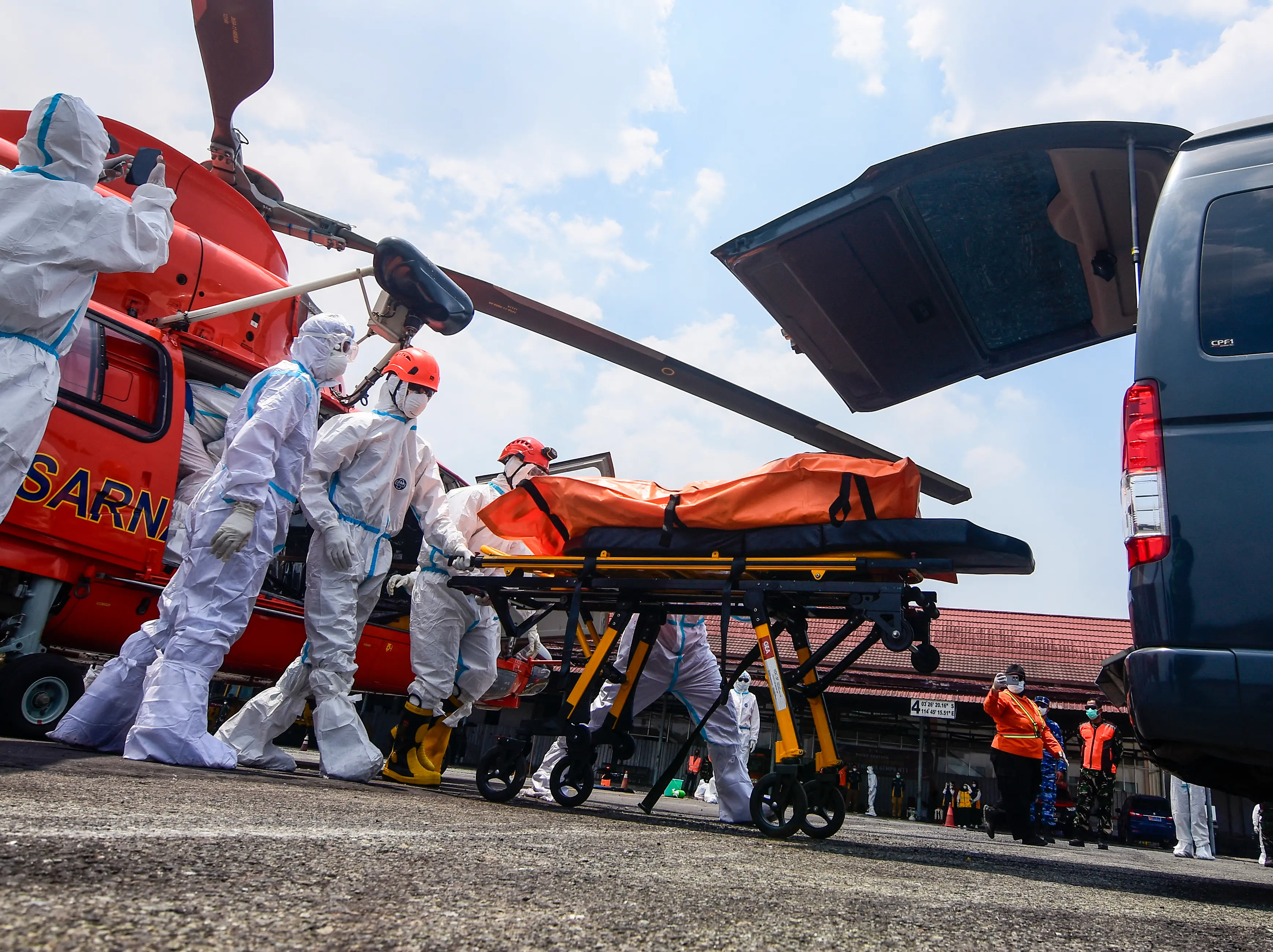)
Death toll rises to 64 in Indonesia's Java Sea ferry incident; 71 still missing
)
‘I rejected it’: Trump confirms turning down Iran’s proposal to reopen Hormuz, claims Tehran is losing ‘badly’
)
Nigeria Navy moves to boost oil security, tackle crude theft and infrastructure threats
)
Indian diplomat Petal Gahlot raises deteriorating situation in Pakistan-occupied Kashmir in right of reply at UN
)
'Countries far from conflict are penalised': Jaishankar calls for Gulf peace, seafarer safety at UN
)
Scientists detect first radio signals directly from faraway planet
)
‘It is all possible’: Putin weighs next steps on Ukraine talks, rules out Europe conflict
)
Global community 'absent' in Gulf crisis: Saudi at UN calls for freedom of navigation, pre war status for Hormuz
)
The Paradise: Nani reacts to mixed reviews from critics and audience; ‘I have also learnt from the flaws’
)
Trump rejects Iran's 7-day ceasefire proposal as US weighs renewed bombing after midterms: Report
)
Gaza's war turned environmental damage into second crisis
)
Trump-Xi summit wrap: Big pageantry, Iran talks, few major developments and more meetings planned
)
'What kind of confession is this?': Pakistan PM Shehbaz Sharif’s 'terrorists would be roaming New York' remark goes viral, raises alarm online. Watch
)
Manchester City found guilty: Premier League delivers its verdict on the FFP charges
)
Myanmar training camp case: US national, 6 Ukrainians allowed to meet their families abroad
)
'FIRST LOOK from inside Noah’s Ark': Researchers share video from inside mysterious mound in Turkey
)
Cindy Crawford’s son Presley Gerber cremated as death probe continues
)
WATCH | As Shehbaz Sharif claims Pakistan’s ‘victory’ during 2025 conflict, Indian diplomat R Srinivas laughs at UN
)
'A terrorist country is asking me that question?': Jaishankar hits back at Pakistani journalist at UN; flags attacks on commercial shipping
)
Russia will achieve Ukraine war aims; Europe doing everything to block peace talks: Lavrov at UN
)
‘Serial practitioner of terrorism’: Jaishankar calls out Pakistan’s ‘state-sponsored’ terror at UNGA
)
US court backs Pentagon's decision to exclude Anthropic over Claude AI restrictions
Cryptobiosis is an organism's ability to suspend its metabolism in harsh situations. The wormswill be the most stunning example of cryptobiosis if they are as old as the study suggests.
Furthermore, the new study's authors guaranteed they could persuade the nematodesto enter and exit the dormancy-like state of cryptobiosis using "special preparatory cues."
The genetic analysis mentioned in the new paper is challenging in the case of P. kolymaensis because they are parthenogenic, meaning females can reproduce without a male. According to Kurzchalia, the team requires some 2,000 to 4,000 worms for one type of genetic analysis. While the common lab species,C. elegans, is easily available, the number is difficult to achieve withP. kolymaensis.
ALSO READ |Scientists find ancient ocean water in Himalayas, offer insights into Earth’s past
However, some scientists are sceptical of the new study's findings. In 2018, outside researchers raised concerns that the analysed nematodes might be modern contamination.
Byron Adam, a biologist at Brigham Young University, was one of those sceptics and remains doubtful about the new work. He argues that the analysis doesn't prove the worms' age, only that of the nearby plant material. "The authors haven't done the work to show that the animals they have recovered are not simply surface contaminants," he said.
David Wharton, an emeritus professor of zoology at New Zealand's University of Otago, said the freezing mechanism the researchers tested is unrealistic because it involved drying the nematodes out before abruptly freezing them. However, he said, "I thought it was impressive and interesting work."
(With inputs from agencies)
WATCH WION LIVE HERE