NASA backs plan to make homes with fungi on Moon and Mars

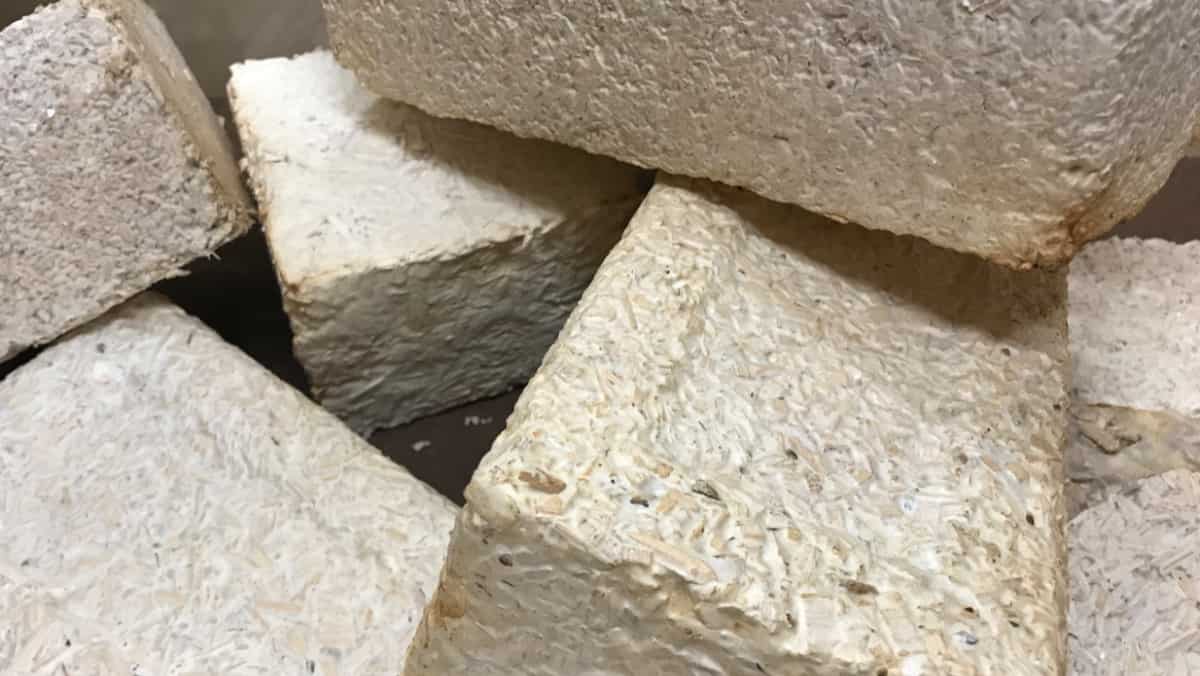
Bricks produced using mycelium
NASA has awarded $2 million in funding to a project that aims to grow habitats on the Moon and Mars using fungi.
The "Mycotecture Off-Planet" project, led by researchers at NASA's Ames Research Center, is exploring the use of fungal mycelia to construct livable structures for future space explorers.
The concept is based on using a lightweight, compact structure containing dormant fungi that can be activated by adding water, allowing them to grow around the framework and form a fully functional habitat.
This approach could be more feasible than transporting heavy building materials from Earth.
"As NASA prepares to explore farther into the cosmos than ever before, it will require new science and technology that doesn't yet exist," said NASA Administrator Bill Nelson. "NASA's space technology team and the NIAC programme unlock visionary ideas – ideas that make the impossible, possible."
The Mycotecture project has already demonstrated proof-of-concept by developing bricks made from mycelium, yard waste and wood chips.
These prototypes have been rigorously tested in a planetary simulator and the team has also drafted detailed design plans for a mycelium-based lunar habitat.
Watch | Lancet study claims half of Indian adults are physically unfit
Beyond just providing a structure, the fungal habitat concept also incorporates other lifeforms, such as cyanobacteria, to create a self-sustaining ecosystem.
The cyanobacteria can use sunlight to produce oxygen and nutrients for the mycelia, while the mycelia provide a sturdy, radiation-shielding home for the astronauts.
"Mycotecture Off Planet exemplifies how concepts can change how we envision future exploration missions," said John Nelson, NIAC Program Executive. "As NASA embarks on the next era of space exploration, NIAC helps the agency lay the necessary groundwork to bring innovative visions to life."
This research could not only benefit future space exploration but also have applications for more sustainable living on Earth.
(With inputs from agencies)