NASA aims for lunar mining by next decade

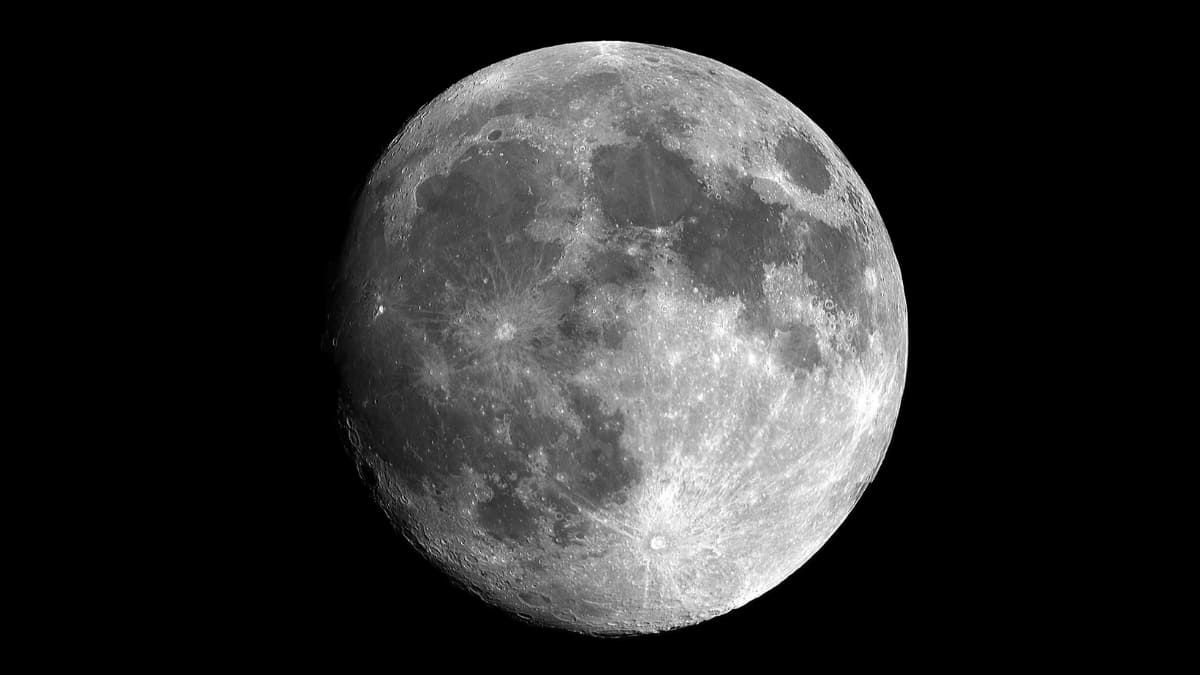
Moon Landing
National Aeronautics and Space Administration (NASA) is looking to develop resources on the moon. This will initially include oxygen and water and eventually may expand to iron and rare earth. The US space agency has already taken steps towards excavating moon soil in 2032, said scientists on Wednesday (June 28).
As part of its Artemis mission, NASA is planning to return American astronauts to the moon by 2025. The crew would include a woman and a person of colour. The agency plans to learn from the moon mission in order to facilitate a trip to Mars.
An important part of the mission is advancing commercial opportunities in space. NASA is looking to quantify potential resources including energy, water and lunar soil as a goal to attract commercial investment, said Gerald Sanders, who is a rocket scientist at NASA.
He said that developing access to resources on the moon will be key to cutting costs and developing a circular economy.
"We are trying to invest in the exploration phase, understand the resources... to (lower) risk such that external investment makes sense that could lead to development and production," he told a mining conference in Brisbane.
"We are literally just scratching the surface," he said.
Test drill rig
At the end of the month, NASA will send a test drill rig to the moon. By 2032, it plans a larger-scale excavation of moon soil and a pilot processing plant.
It is expected that the first customers would be commercial rocket companies. These would use the moon's resources for fuel or oxygen.
Samuel Webster, an assistant director at the agency said that the Australian Space Agency is involved in making a semi-autonomous rover which will take samples of the lunar soil during a NASA mission as early as 2026.
The rover will demonstrate how the lunar soil will be collected, the soil that contains oxygen in form of oxides.
Using separate equipment sent to the moon with the rover, NASA will aim to extract that oxygen, he said.
"This ... is a key step towards establishing a sustainable human presence on the moon, as well (as) supporting future missions to Mars," he said at the conference.
(With inputs from agencies)
You can now write for wionews.com and be a part of the community. Share your stories and opinions with us here.
WATCH WION LIVE HERE