Mystery? Genetic material in butterflies, moths has not changed for over 250mn years

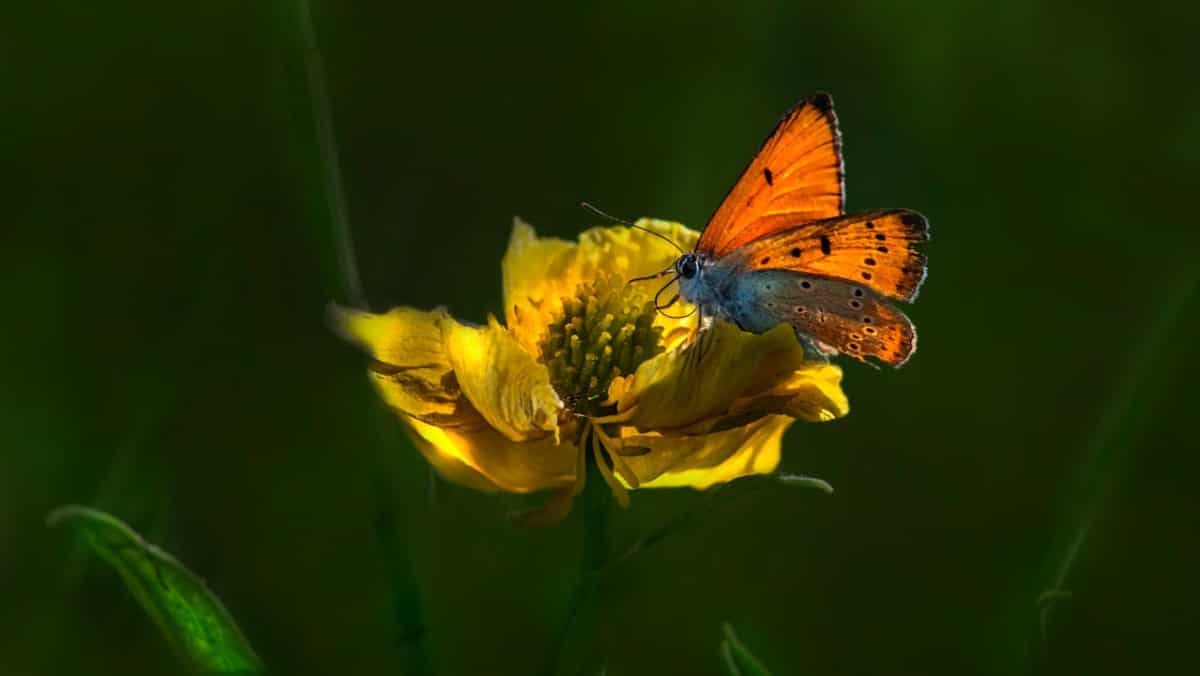
Butterfly (Representative image)
A study published in the journal Nature Ecology & Evolution unveiled a surprising revelation about the genetic makeup of butterflies and moths, indicating that their genomes have remained astonishingly unchanged for over 250 million years. Despite their vast species diversity, these winged insects have maintained remarkable genetic stability amidst significant environmental transformations throughout Earth's history.
This comes as Wellcome Sanger Institute and the University of Edinburgh researchers conducted an extensive analysis of more than 200 genomes of butterflies and moths. They identified 32 ancestral chromosomes that serve as the foundation for the vast majority of Lepidoptera species.
Notably, the study aimed to decipher the fundamental genetic characteristics underlying the evolutionary success of Lepidoptera.
Senior author of the study and head of the Tree of Life programme at the Wellcome Sanger InstituteProfessor Mark Blaxter while expressing astonishment at the findings, stated, “All life is connected by a common thread – DNA. Our DNA sequences record our deep history. We were able to look at the evolutionary history of butterflies through their genome to go back to their common ancestor, to the great-great-great-etcetera-grandmother of all butterflies. We found they had been remarkably stable.”
“There is a contrast between the butterflies that have 16 times as many species as mammals but have a much more stable genetic foundation. It’s just amazing!” he added.
Evolutionary mysteries
The study's first author and a PhD student at the Wellcome Sanger Institute Charlotte Wright also pointed to the broader implications of their research and stated, “The bigger question we are trying to understand is how biodiversity evolves at a broader scale. We want to know what the biggest features are from its genome that underlie the success of moths and butterflies. How can we make sense of the fact that this group makes up 10% of described species? What makes it different from other species groups that are nowhere near as successful?”
Conservation implications
Amidst concerns over the rapid decline in global biodiversity, the study has the potential to unearth any conservation methods for these butterflies and moth species. As vital indicators of ecosystem health, these insects play a crucial role in maintaining biodiversity.
Watch | NASA James Webb Telescope captures stunning pictures of the universe
“When the human genome was released in 2010, it was still in millions of pieces and we had stitched those pieces together but there were still many gaps in the letters of the code,” Blaxter said. “There were jigsaw pieces missing. With the butterfly genomes, we have all of the pieces. For the majority of the species we have looked at, it is the first time we have had a genome at all.”
The researchers underscored the importance of leveraging their findings to know aboutconservation strategies and mitigate the alarming loss of insect populations worldwide. Notably, a study conducted by Butterfly Conservation in 2023 revealed that nearly half of the locations in the UK where butterflies once thrived have witnessed the disappearance of these species since 1976.
(With inputs from agencies)