Antarctica witnessed most intense heatwave ever recorded on Earth in 2022, reveals study

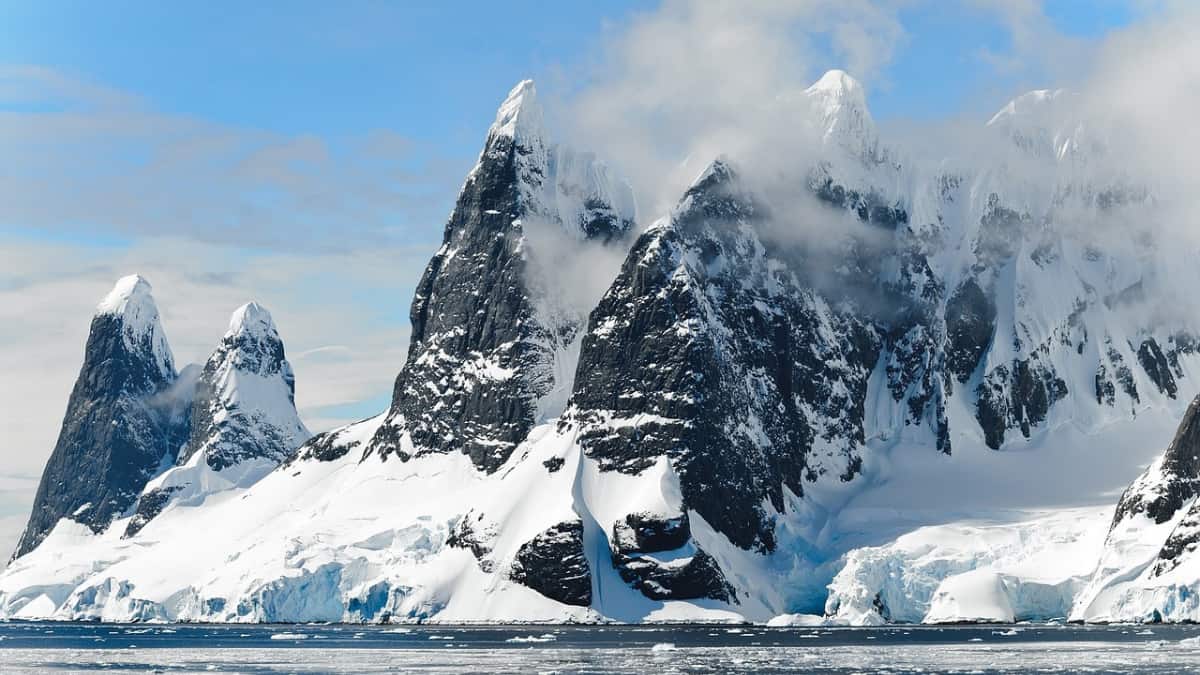
Antarctica
A recent study has found that the most intense heat wave ever recorded on Earth was in Antarctica in March 2022, when the temperatures near the eastern coast reached 39 degrees Celsius above average.
Some researchers at the site wore shorts, while some removed their shirts to loll in the warmth. However, scientists from other regions believe such a high temperature in the area was unimaginable, the Washington Post reported.
Edward Blanchard-Wrigglesworth, an atmospheric scientist at the University of Washington and the study's author, said, "It was just very apparent that it was a remarkable event. We found that temperature anomaly, the 39-degree temperature anomaly. That's the largest anywhere ever measured anywhere in the world."
Generally, the temperatures in March on the east coast of Antarctica near Dome C are around minus 54 degrees Celsius, marking a transition into autumn on the continent. However, on 18 March 2022, temperatures reached minus 10 degrees Celsius, warmer than the hottest temperature recorded during the summer months in that region.
ALSO READ |Lunar soil? Low gravity? Why didn't Chandrayaan-3 leave India's imprint on Moon's surface?
Blanchard-Wrigglesworth and his team studied how and why such an unbelievable heatwave occurred, especially when there was less sunlight. They found that extreme heat was part of Antarctica's natural variability. However, the warming climate did have the same effect.
According to the study published in the peer-reviewed journalGeophysical Research Letters, winds usually blow from west to east around Antarctica, helping the continent to isolate from warmer regions farther north and allowing it to stay cold. However, like the heatwaves in the United States, the winds curled, enabling warm air from southern Australia to move to East Antarctica in only four days. Furthermore, the northern winds brought a lot of moisture, bringing snow, rain and melting on the eastern coast of the ice sheet.
During the same time, Antarctica also experienced the lowest sea ice on record. However, the team suggested it was not due to the influence of the heatwave.
The study found that the big swings in weather are not unusual in the polar regions. The research team analysed data from the global weather station and found the highest temperature changes from average usually occur in high latitudes. European countries or the United States never experience such anomalous heat waves.
As we go higher in the atmosphere, the air gets cooler. However, high latitudes with snow have colder air near the ground and warmer air above it. In such spots, a warm air mass can dive in to replace the cold air and form warm weather. These events usually occur during or around winter. "That's what we saw for the Antarctic heat wave. These events erode that inversion," Blanchard-Wrigglesworth said.
(With inputs from agencies)
WATCH WION LIVE HERE