Moon has graphene in its soil. Here's all about this 'wonder material'

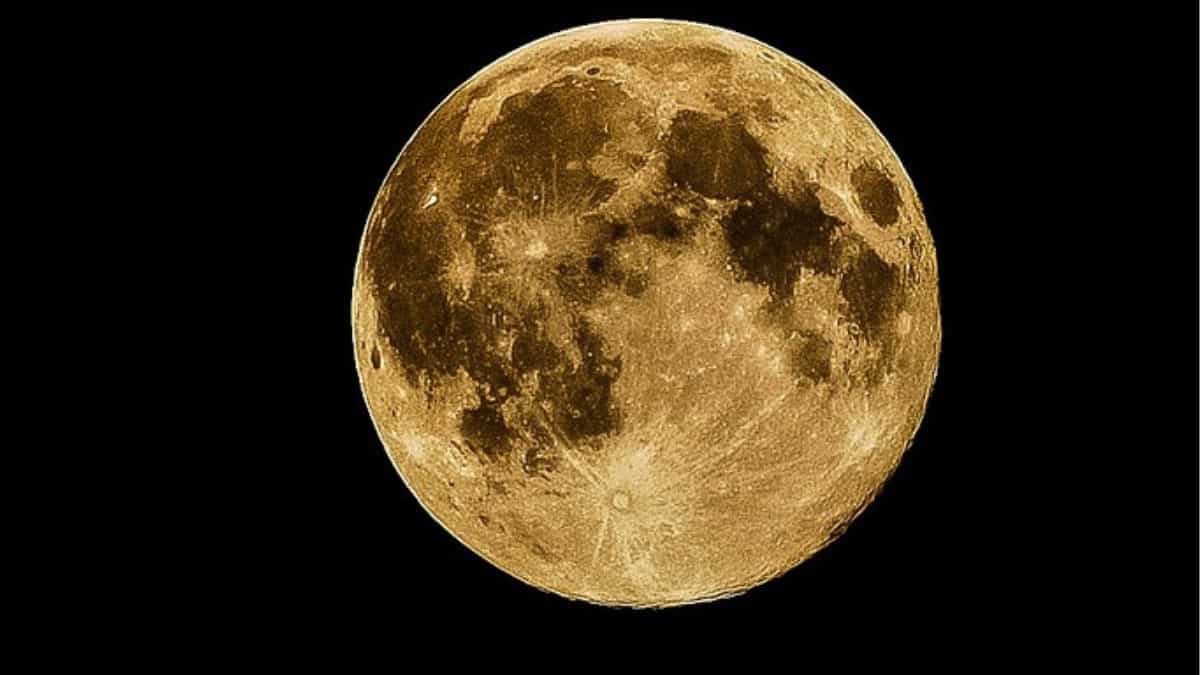
Representational image of Moon.
Scientists have stumbled upon a "wonder material" in the soil of the Moon which is known as graphene.
The researchers have found that there are few layers of graphene flakes present on the moon soil which occur naturally. Graphene refers to the organised and layered structure of carbon atoms.
A group of researchers - which included Professors Meng Zou and Wei Zhang, senior engineer Xiujuan Li fromJilin University, and Wencai Ren from theChinese Academy of Sciences’ Institute of Metal Research - led the study.
How did scientists find graphene in lunar soil?
The scientists started studying a 2.9 x 1.6 mm, olive-shaped speck of lunar soil which was brought to Earth in 2020 by Chang’e 5 mission.
The researchers analysed the minuscule piece for only the hunt for Graphene.
It is known that Graphene is a unique substance which is filled with carbon atoms arranged in a thin and layered structure. Because of this, graphene has unique properties which makes it a super material in the field of electrics, optics and mechanics.
These properties and shapes of such graphene structures are formed because of their formation process, which paints a beautiful trail in the cosmos.
With the use of a specialised spectrometer, the scientists found a particular iron compound inside a carbon-rich section of the lunar sample. which stated that it is linked with the formation of graphene.
Why is graphene discovery on the Moon important?
The finding of graphene in lunar soil shows that the geological historyof the Moon may have undergone a paradigm shift.
Watch:Moon Drifting Away From Earth Approximately 3.8 Centimeter Per Year - Study
The properties of graphene, like exceptional conductivity and strength, are expected to have implications on the development of lunar technologies.
The researchers are now trying to understand how they can use this material for constructing lightweight and durable structures on the Moon and also design advanced electronics which can operate in extreme lunar conditions.
(With inputs from agencies)