Melting ice in Antarctica may impact oceans 'for centuries': Study

antarctica
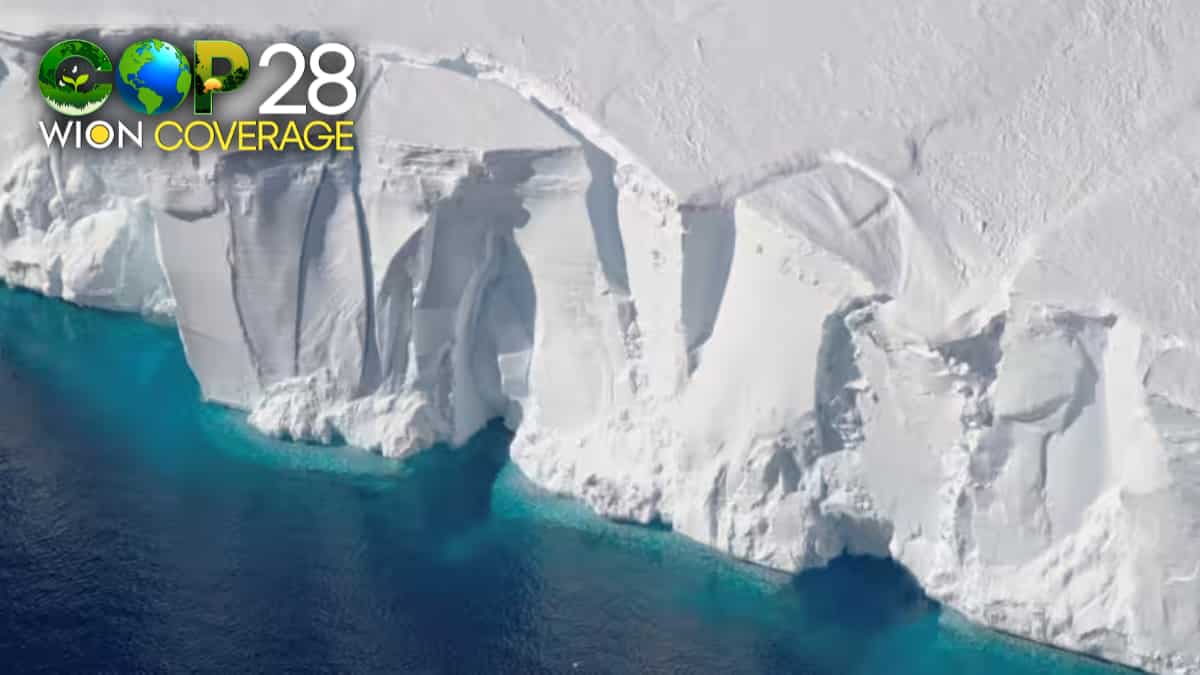
Scientists have yet again, sounded a warning over global warming and have said that melting ice in and around Antarctica is now threatening to dramatically slow deep-water currents in oceans across the world. This, in turn, can impact the spread of fresh water, oxygen and life-sustaining nutrients for centuries.
The model created as part of the study indicates faster Antarctic ice melts are driving a "substantial slowdown" of circulation of water in the ocean depths if global carbon emissions continue to remain high. The researchers have published their findings in the journal 'Nature' on Wednesday, reported AFP.
The "overturning circulation" of waters in the deepest reaches of the oceans would slow by 40 per cent by 2050 in a high-emissions scenario, according to the study, which warned of impacts that would last "for centuries to come".
Matthew England, climate professor at University of New South Wales (UNSW), says that if the model holds true, the deep ocean current will be "on a trajectory that looks headed towards collapse"
Trillions of tonnes of cold, highly salty and oxygen-rich water sinks around Antarctica each year, sending a deep-water current northwards to the Indian, Pacific and Atlantic oceans, scientists say.
The greater volumes of melting ice make the Antarctic waters less dense and salty, however, slowing the deep-water circulation with consequences for climate, sea level and marine ecosystems.
"If the oceans had lungs, this would be one of them," England said.
He added that if oceans become stagnant below 4000 metres, "this would trap nutrients in the deep ocean, reducing the nutrients available to support marine life near the ocean surface."
UNSW emeritus professor John Church, who was not involved in the study, said there were many uncertainties about the impact of a declining deep ocean circulation.
"But it seems almost certain that continuing on a high greenhouse gas emission pathway will lead to even more profound effects on the ocean and the climate system," Church said.
"The world urgently needs to drastically reduce our emissions to get off the high-emission pathway we are currently following."
The study team included lead author Qian Li of the Massachusetts Institute of Technology and co-authors from the Australian National University and Australia's national research organisation CSIRO.
(With inputs from agencies)
You can now write for wionews.com and be a part of the community. Share your stories and opinions with us here.
WATCH WION LIVE HERE