Occasional lack of sleep leads to rise in dopamine levels, helps ward off depression: Study

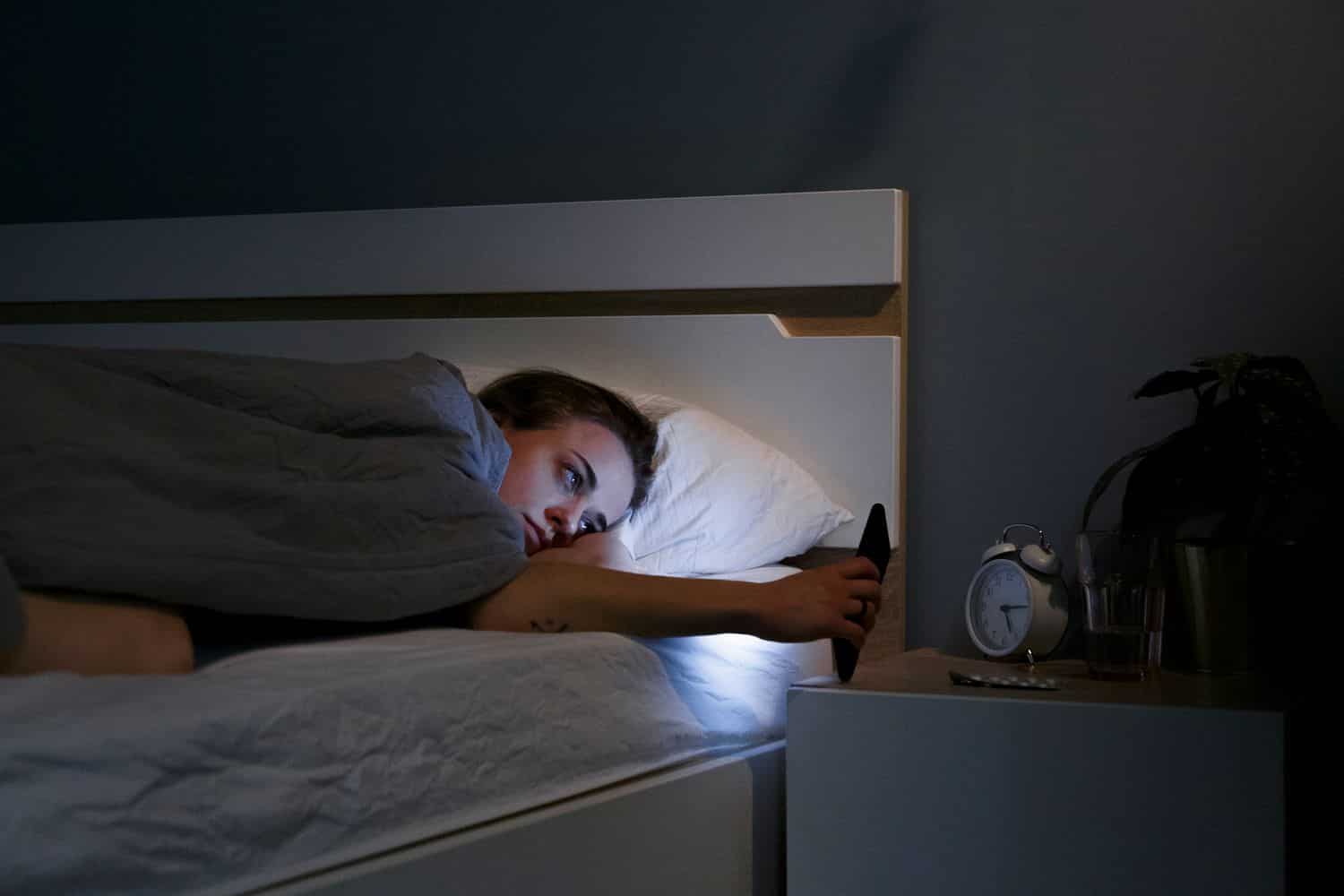
Lack of sleep might increase depression, study reveals
The lack of sleep can often lead to fatigue, irritability, and poor cognitive performance; however, it may also help you improve your mood for days.
A new study by researchers at Northwestern University has concluded that sleep deprivation might lead to a rise in dopamine levels, while also strengthening synaptic plasticity. All in all, this helps the brain sustain a state of euphoria for several days.
The researchers reached the conclusions by studying the behaviours and brain activity of mice after subjecting them to mild, temporary sleep deprivation.
“Chronic sleep loss is well studied, and it’s uniformly detrimental effects are widely documented,” said corresponding author Professor Yevgenia Kozorovitskiy.
“But brief sleep loss — like the equivalent of a student pulling an all-nighter before an exam — is less understood,” Kozorovitskiy added.
Lack of sleep induces antidepressant effect
The research concluded that insufficient sleep can reconfigure the brain, inducing a potent antidepressant effect.
Additionally, it underlined the importance of recognising how even seemingly minor activities, such as a restless night, can profoundly impact the brain.
Watch:Gravitas: Sleep Streaming: Will you allow strangers to watch you sleep?
For a long time, researchers have understood the connection between abrupt changes in sleep patterns and unusual moods and behaviours. For instance, sleep and circadian rhythm irregularities (disruption in body clock) in individuals can trigger manic episodes or sporadically alleviate depressive episodes.
To study these effects, Kozorovitskiy and her team developed an innovative method to induce acute sleep deprivation in mice without any genetic predisposition for mood disorders, while ensuring that the animals did not experience excessive distress.
The experimental conditions had to be uncomfortable enough to prevent the animals from sleeping but not so uncomfortable as to cause them significant stress.
Then, they used scientific equipment to study their dopamine neurons, which are essential for regulating a wide range of behaviours and functions including mood.
Evolution to be blamed
Scientists believe this phenomenon can be attributed to evolutional changes.
“You can imagine certain situations where there is a predator or some sort of danger where you need a combination of relatively high function with an ability to delay sleep. I think this could be something that we’re seeing here,” said Kozorovitskiy.
But experts insist that individuals must resort to doing exercises and going to the gym to kill depression, rather than skipping sleep on purpose.
(With inputs from agencies)