Israeli researchers develop tomatoes capable of growing in extreme drought-like conditions

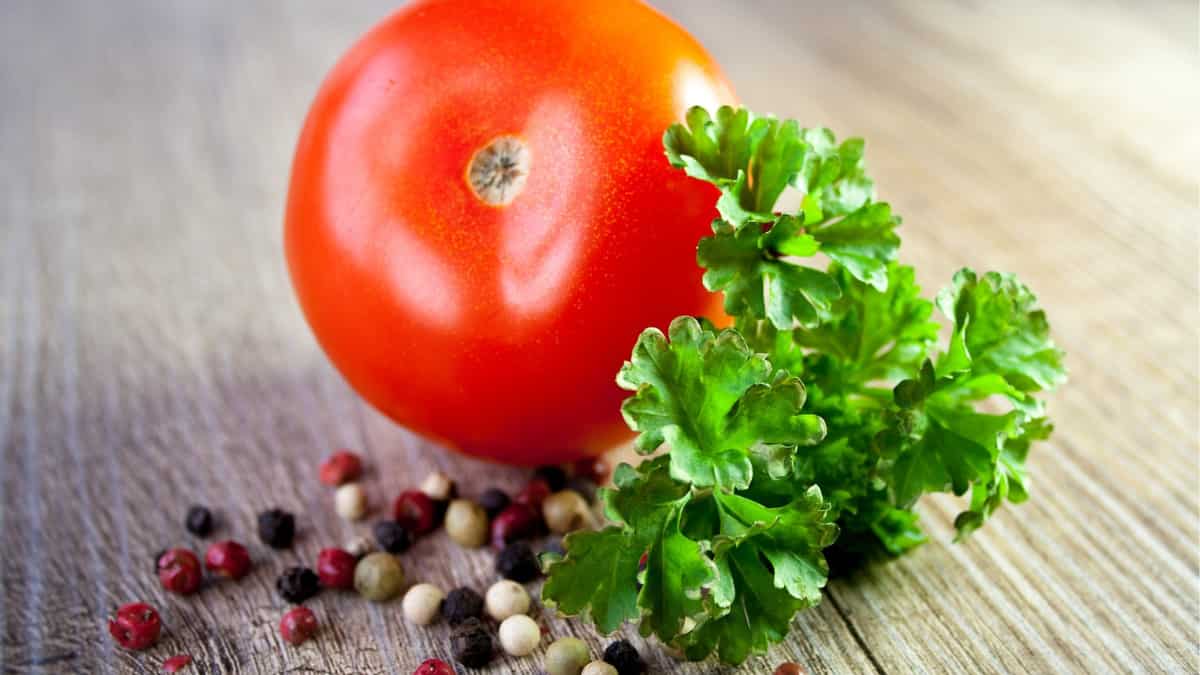
Drought-proof tomato
Researchers at the Hebrew University of Jerusalem succeeded in developing tomato varieties capable of producing a high yield even during extreme drought conditions, according to a study published in the journal PNAS. Doctoral student Shai Torgeman and Professor Dani Zamir from HU's Faculty of Agriculture, Food and Environment in Rehovot led the study "Epistatic QTLs for yield heterosis in tomato."
According to the researchers, the higher yield was due to interactions between two regions of the tomato genome. Furthermore, they concluded the new tomato variety consumes less water and increases its production in extreme weather conditions. The research was a part of the scientific cooperation with the European Union in the Horizon 2020 programme.
Another study shows that more than half of Israelis like tomatoes in their salads. Moreover, 18 per cent say they eat plain tomatoes and 11 per cent like cooked tomatoes into shakshuka. However, tomatoes will not be available in the market as the climate gets hotter.
The research results proved the effectiveness of cultivating plants in agriculture using wild species. The distinctive structure of the new population enabled the precise mapping of the genes in tomatoes and the identification of mutual effects. It established the potential for comprehensive application in other plants and improving yield.
Tomatoes grown in open field conditions need protection from pests. They need nutrition and regular watering. However, climate change and severe water scarcity demand alternate varieties and modern cultivation methods.
WATCH |AI chatbot helps Snap Inc bring more users | World Business Watch | WION
The researchers crossbred two types of tomato species, Solanum pennellii and Solanum lycopersicum. One is a green-fruited and drought-tolerant wild tomato from the deserts of western Peru, and another is a modern processing tomato inbred. They identified the regions of the genome that affect agricultural traits such as yield. Prof Zamir carried out DNA sequencing and extensive data analysis of 1,400 plants. He noted, "Our integrated breeding efforts unite classical and genomics-assisted methods to demonstrate those yield barriers are only there to be broken."
Torgeman explained, "Studies of complex traits in plants such as yield and resistance to drought conditions have been based on significantly smaller populations of about 200 species." According to the research findings, two regions on the different chromosomes yielded a 20 to 50 per cent increase in overall tomato production under irrigated and drought conditions. "Now, based on the published knowledge, we are cultivating new varieties with the aim of commercialising them on the food market," Torgeman concluded.
(With inputs from agencies)
WATCH WION LIVE HERE