'I love my cool son': Brain implant helps fully paralysed man to spell out thoughts

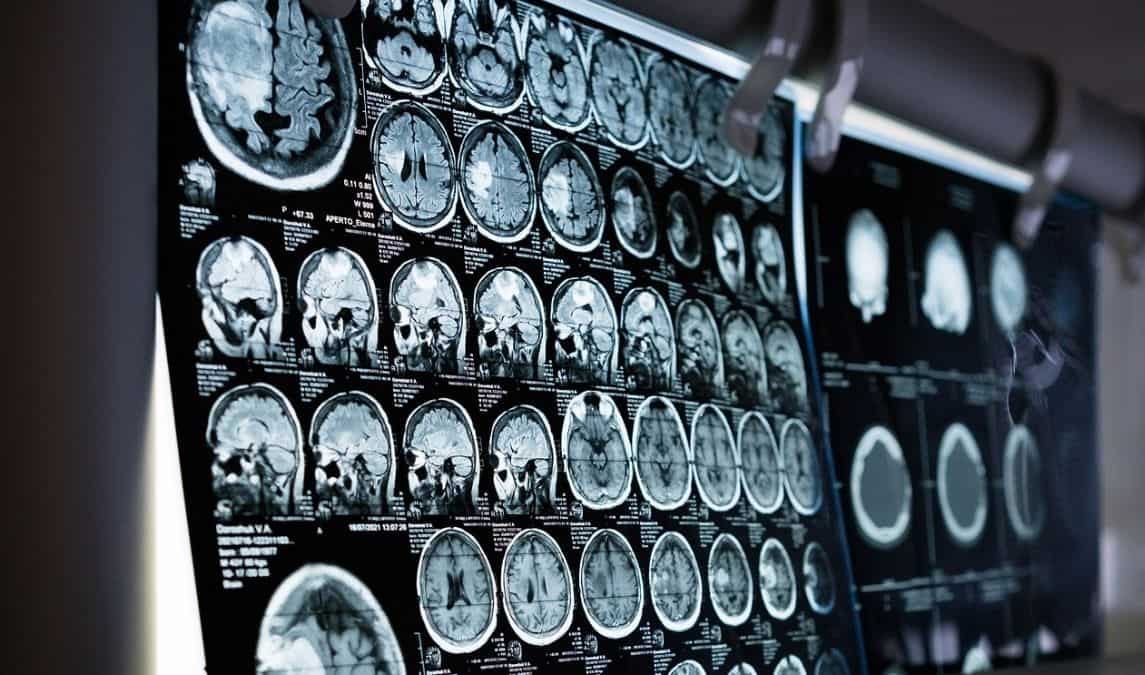
Brain scan
A 36-year-old unidentified man, who is fully paralysed and suffering from neurological disease amyotrophic lateral sclerosis (ALS) was able to communicate in full sentences with his family after receiving microchip implants in his brain.
ALS, in its final stages, can bring extreme isolation as people lose control of their muscles and in most cases, communication may become impossible.
As per a study published in the journal Nature Communications this week, the German man, who is conscious and cognitively able but in a "complete" locked-in state was able to form sentences with the help of an implanted device that reads his brain signals.
Mariska Vansteensel, who is a brain-computer interface researcher at the University Medical Center Utrecht, said, "People have really doubted whether this was even feasible." Vansteensel was not involved in the study.
Reinhold Scherer, a neural engineer at the University of Essex, weighed in on the development and said that if the new spelling system proves reliable for all people who are completely locked in, it might allow thousands of people to reconnect to their families and care teams.
Part of the study wrote, researchers implanted two 64 microelectrode arrays in the supplementary and primary motor cortex of the man.
The patient modulated neural firing rates based on auditory feedback and he used this strategy to select letters one at a time to form words and phrases to communicate his needs and experiences.
The research says that one day after the implantation, attempts were initiated to establish communication.
The man was asked to use his previously effective communication strategy employing eye movements to respond to questions with known "yes" and "no" answers.
It did not result in a classifiable neural signal, no difference in spike rate and multi-unit-activity (MUA).
After several attempts, the communication strategy was changed on the 86th day after implantation.
The patient was provided auditory feedback of neural activity by mapping a spike rate metric (SRM) for one or more channels to the frequency of an auditory feedback tone.
The patient was able to modulate the sound tone on his first attempt, later he could modulate the neural firing rate and was able to use the method to select letters and to free spell.
He made dozens of sentences at a painstaking rate of about one character per minute: "Goulash soup and sweet pea soup." "I would like to listen to the album by Tool loud." "I love my cool son."