Groundbreaking study reveals how to cut cost of prostate cancer scans by half

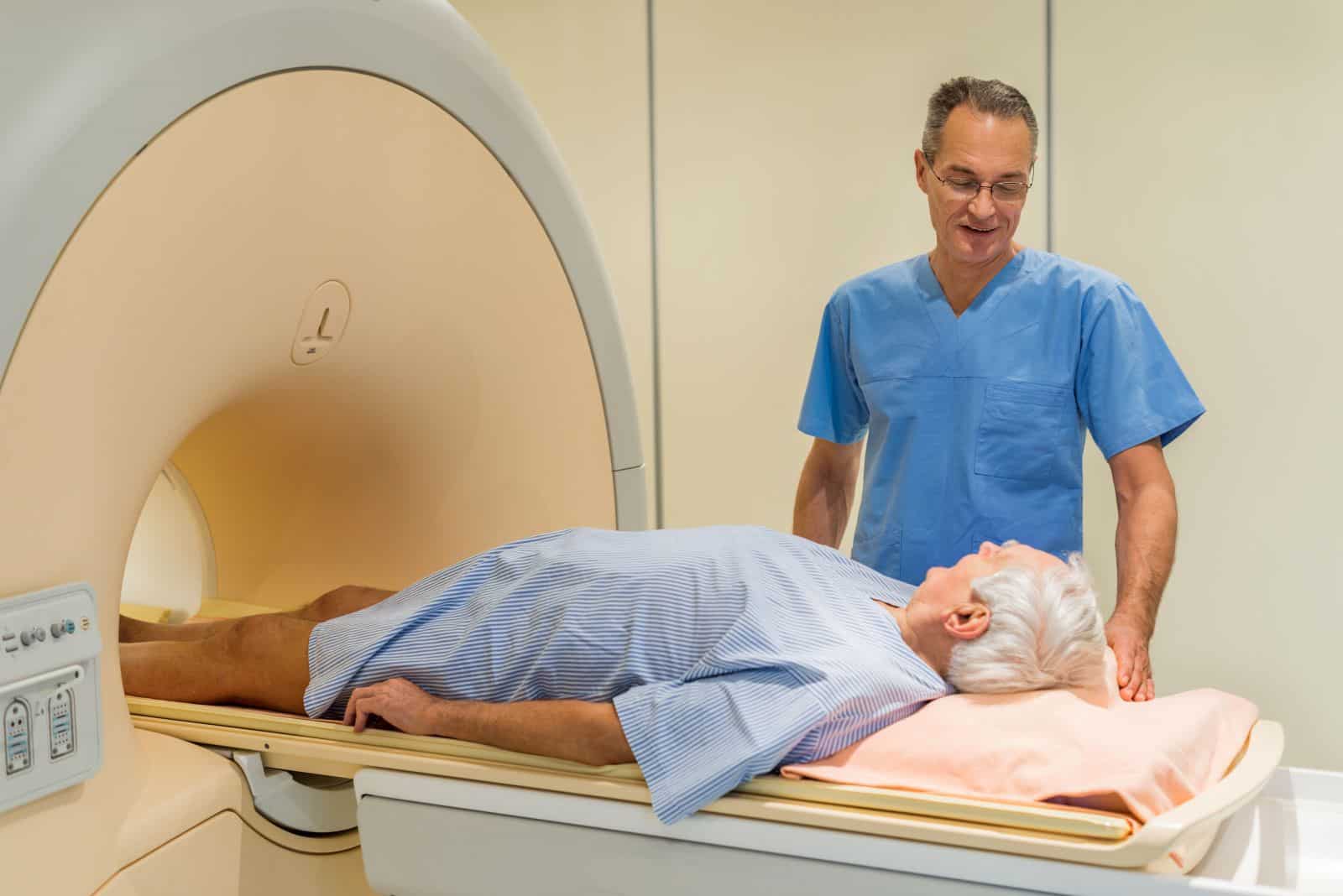
Cancer screenings come with a cost, but can reduce fatality rates
A groundbreaking study in the UK has revealed that reducing the duration of MRI scans for prostate cancer by a third would make them cheaper and more accessible without compromising on their accuracy. Lower costs would mean that more men could be offered scans and diagnosis for a disease which is highly treatable in its early stages.
Current system
As of today, doctors rely on a three-stage MRI scan to detect prostate cancer. The patient is injected with a contrast dye at the third stage, which helps to enhance the images from the scan. Now, the new research indicates the third step can be done away with if the first two scans are done with high precision and good quality.
New Study
Researchers from University College London (UCL) and University College London Hospitals conducted a study in which they assessed the impact of dropping the third stage. The study involved 555 patients from 22 hospitals in 12 countries.
The results were exciting. They found that the shorter scans enabled doctors to diagnose 29 per cent of prostate cancers, the same proportion as with three-step scans.
Dr Clare Allen, lead radiologist on the trial, emphasised that significant prostate cancers were not likely to be missed if a third scan was not done.
“The scans will be quicker, cheaper and can be offered to more men,” she was quoted as saying by The Guardian. “Though it is critical to emphasise that dropping the third part of the MRI scan is dependent on the first two parts of the scan being of high quality,” she added.
Difference in cost
According to experts, the shorter scan method would be 50 per cent cheaper and also quicker. In the UK, while a three-scan MRI costs £273 on average, a two-phase scan costs just £145.
According to Matthew Hobbs, director of research at Prostate Cancer UK, which co-funded the trial with the John Black Charitable Foundation, the patients would no longer require injection.
“This will allow more men to benefit from a better, more accurate diagnosis at a lower cost to healthcare systems not only in the UK, but worldwide,” he said.
(With inputs from agencies)