First 'major lunar standstill' in more than 18 years to occur this year. Here's how to see it

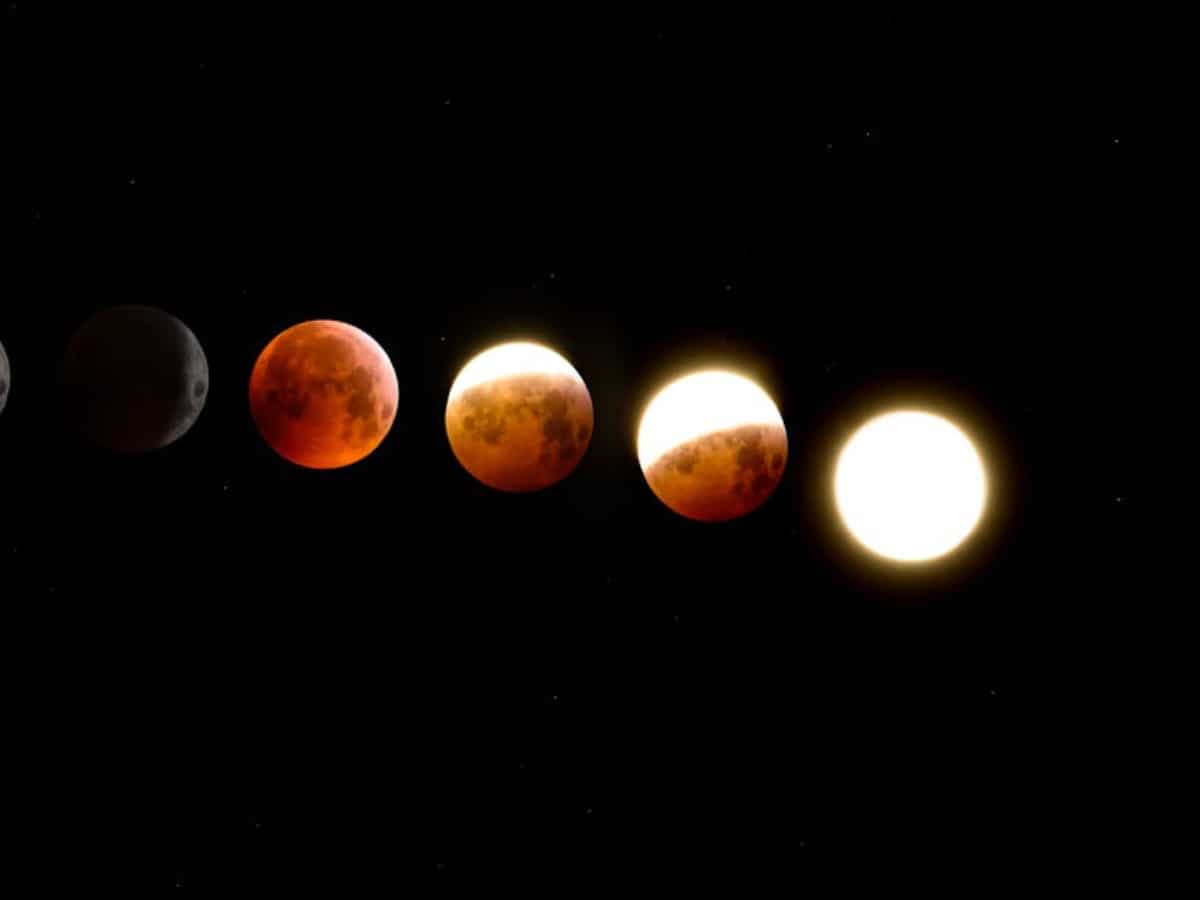
Lunar standstill
Skywatchers are in for a treat in the upcoming months. A “major lunar standstill” is all set to graceour night skies this year. The celestial event is happening after 18 long years as the last major lunar standstill was seen in 2006.
During this event, the moon will rise and set at its most extreme northerly and southerly positions on the horizon reaching its highest and lowest points in the 18.6-year lunar cycle. This happens because the moon does not follow the same path as the sun. Its rising and setting positions on the horizon change constantly due to the movements of the Earth and the moon.
Earth rotates on an axis tilted by 23.4 degrees with respect to this ecliptic, causing the sun to rise and set within almost 47 degrees — a range it gradually covers over an entire year. The moon's orbit, on the other hand, is tilted by 5.1 degrees relative to the ecliptic, allowing it to rise and set within a 57-degree range in any given month.
This causes the moon to rise and set at points on the horizon farther north and south than the sun can.
How a ‘major lunar standstill’ is formed
A major lunar standstill, also known as lunistice, occurs when the tilts of both Earth and the moon are at their maximum.
During this period, the moon rises and sets at the extremes of its range. It rises at its very highest northeasterly point and sets at its very highest northwesterly point. It also rises at its most southeasterly point and sets at its most southwesterly point at this time.
Historical sites such as Stonehenge, Callanish and Newgrange appear to be aligned with moonrise and moonset points during a major lunar standstill, indicating the celestial event’s past importance.
When can we expect a ‘major lunar standstill’?
This major lunar standstill will be at its most extreme around the equinoxes in September 2024 and March 2025, which will provide its best view.
However, visibility depends on the moon's phase, your location and the weather. Good times to look include when the moon rises and the sun sets, and vice versa, during a full moon.
This phenomenon can be best watched with a pair of stargazing binoculars or a good backyard telescope, but you can also spot the lunar standstill with the naked eye.
(With inputs from agencies)