Experts believe rare lunar event may be linked to Stonehenge's alignment

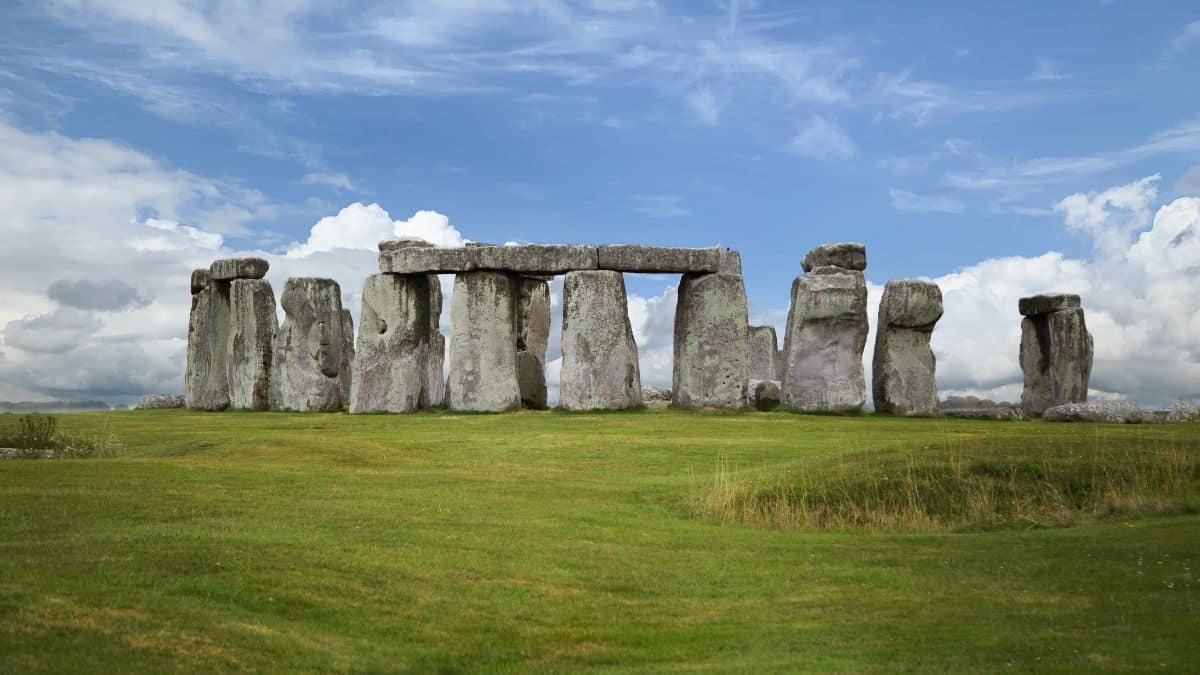
Stonehenge
Stonehenge, which is a prehistoric megalithic structure in England, might be linked to the Moon and the Sun, archaeologists and astronomers believe. The experts think that it could have been designed to align with the Moon, as well as the Sun.
English Heritage, which is a charity that manages historic monuments, buildings and places, announced that it will investigate if the landmark’s stones align with the Moon during the upcoming "major lunar standstill".
The charity will work with experts at four other leading institutions on the project.
The major lunar standstill is when moonrise and moonset are furthest apart along Earth's horizon - a phenomenon, which occurs every 18.6 years. The northernmost and southernmost positions of the moon are at their furthest apart along the horizon during a major lunar standstill.
The experts are trying to analyse whether or not Stonehenge’s design and purpose were a result of the lunar movements.
As quoted by the University of Leicester, Jennifer Wexler, English Heritage historian for Stonehenge said, "We're excited to be working with a brilliant team of archaeoastronomers to explore the fascinating link between Stonehenge and the major lunar standstill."
"Rarer even than once in a blue moon, this opportunity allows us to delve deeper into the monument's ancient mysteries and its relationship with celestial phenomena," Wexler added.
"We'll be inviting the public to join us through a series of events this year as we take one more small step towards unravelling the secrets of Stonehenge," she added.
History tells us that the Stonehenge was built in several stages. The first monument was an early henge monument, built about 5,000 years ago, and the unique stone circle was erected in the late Neolithic period about 2500 BC. And, many burial mounds were built nearby in the early Bronze Age.
There are several mysteries linked to the origin of Stonehenge. But in 2022, some researchers claimed to have solved the mystery of Stonehenge as they concluded that the site was created based on a solar year of 365.25 days to help people keep track of days, weeks and months.