Deep-sea mining noise pollution will stretch hundreds of miles: Study

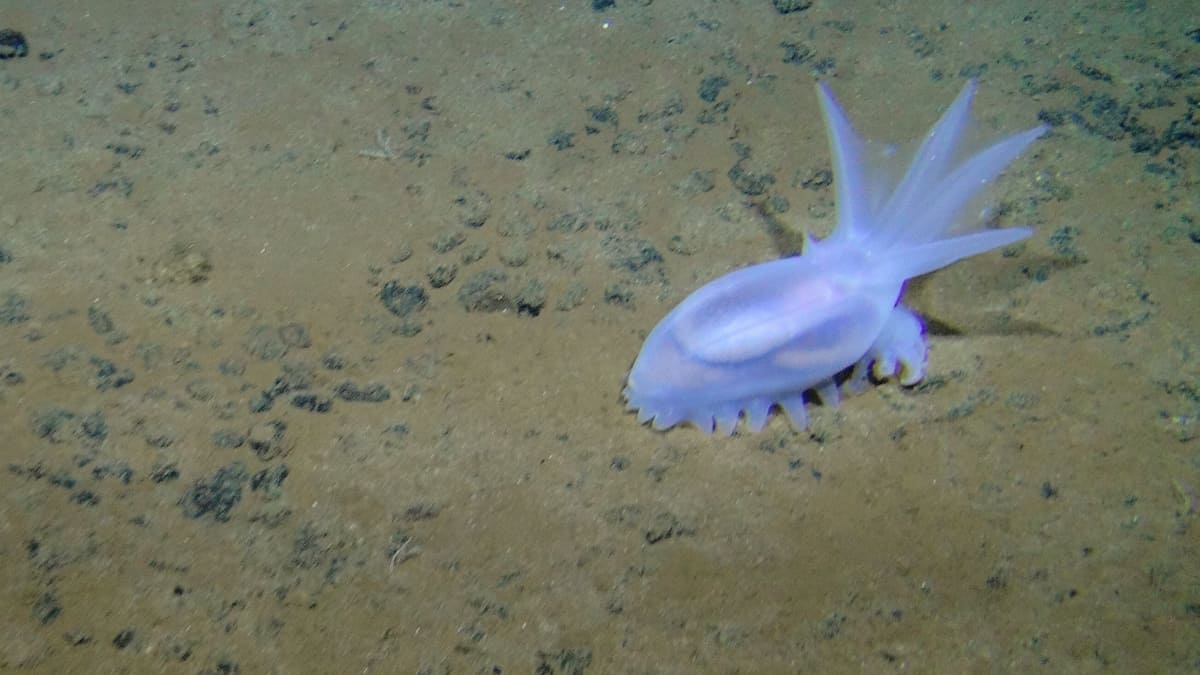
Sea Cucumber Amperima
A new study has shown that deep-sea mining noise pollution will stretch hundreds of miles. The research, published in the peer-reviewed journal Science, shows that noise pollution creates a “cylinder of sound” from the surface to the sea bed.
With cumulative impacts likely in places where multiple mines operate, the study found that noise from one mine alone could travel approximately 500 kmin gentle weather conditions.
During the research, scientists estimated the impact of noise on an area spanning 4.5m sq km between Mexico and Hawaii called the Clarion-Clipperton Zone (CCZ) if mining companies are opened in the zone.
The thresholds set by the US National Marine Fisheries Service will be exceeded in a radius of 4 to 6 km of each mine as per estimates of the research.
According to Travis Washburn, co-author of the study, “The deep sea houses potentially millions of species that have yet to be identified, and processes there allow life on Earth to exist.”
The research, funded by The Pew Charitable Trusts, examines the potential for underwater noise pollution from seabed mining operations.
Scientists used noise levels from better-studied industrial activities as mining companies are yet to share their data on underwater noise pollution.
“If our modelling is correct, it could require rethinking of environmental regulations, including the number of mining operations allowed within the Clarion-Clipperton Zone,” said Craig Smith, co-author and professor emeritus of oceanography at the University of Hawaii.
“Our models suggest that nowhere in … the whole 75,000 km sq is free from noise impact,” said Smith.
''It might require changing the regulations, so that the control areas are further away.''
“We have not been able to do the studies, but if mining operations went on simultaneously, it might have a big impact on a whole bunch of organisms.”
“The effective protection of the marine environment is guaranteed through requirements for environmental baseline studies and environmental impact assessments and monitoring, as set out in exploration and future exploitation regulations,” according to International Seabed Authority (ISA).
(With inputs from agencies)
Watch WION's live TV here:
×