Covid's 'brain fog' equals 10 years of ageing: Study reveals long-term impact

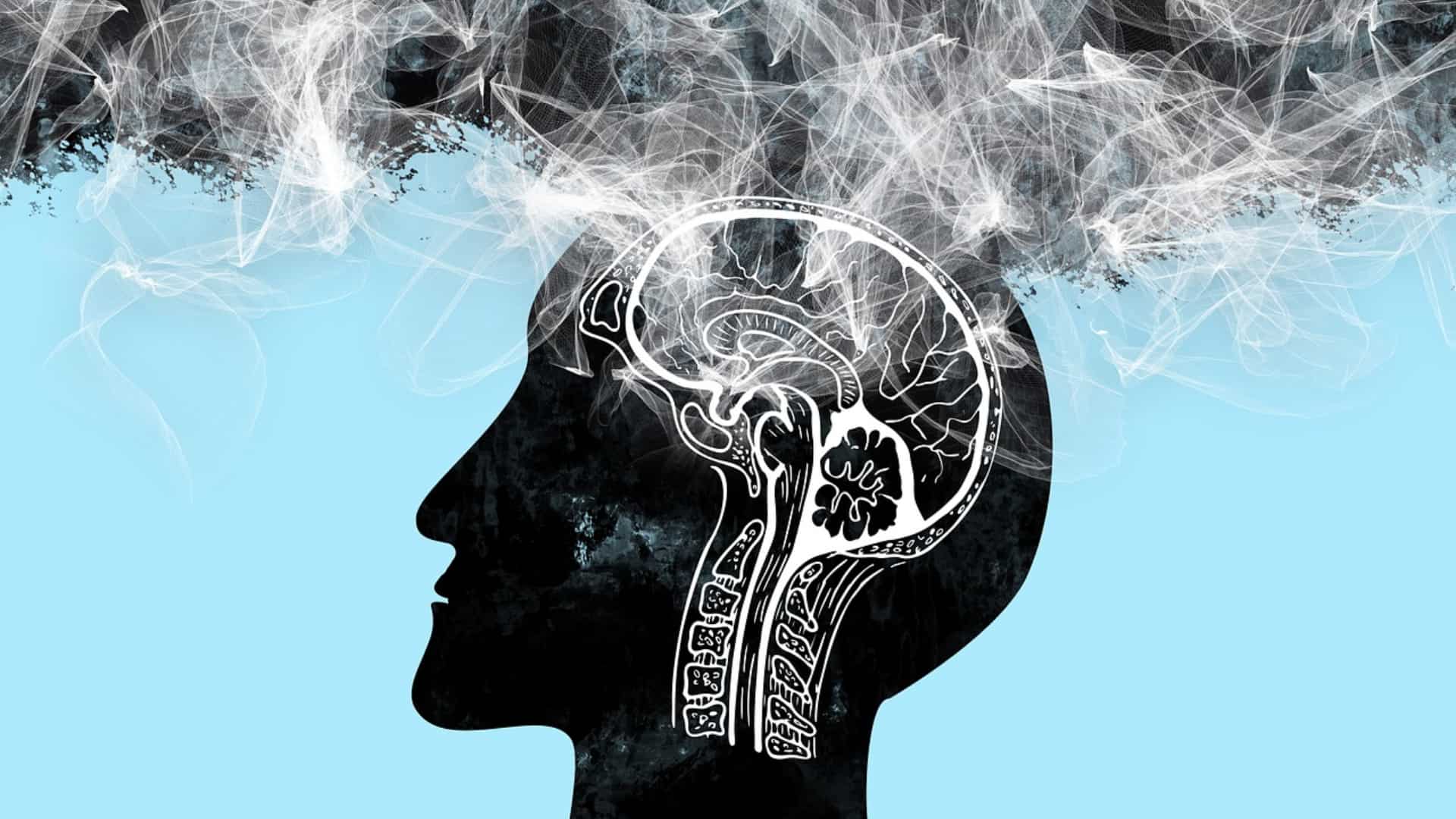
Long Covid
The lingering effects of COVID-19, commonly referred to as "long Covid," continue to pose a significant challenge to the affected individuals even after two years since their initial infection.
A study conducted by King's College London delves into the impact of COVID-19 on memory and cognitive function, highlighting the prevalence of brain fog symptoms in people experiencing prolonged Covid-related symptoms for more than three months, reported the Guardian.
Cognitive impairment lingers for years after infection
The research involved over 5,100 participants from the CovidSymptom Study Biobank, who were recruited through a smartphone app. The study measured cognitive function through 12 tests, evaluating factors like working memory, attention, reasoning, and motor control during two distinct periods in 2021 and 2022.
Brain fog and its severity
In the initial cohort of 3,335 participants examined in July and August 2021, individuals who tested positive for Covidexhibited lower cognitive scores, with the most significant deficits observed in those experiencing symptoms for more than 12 weeks.
The impact of these deficits on cognitive function was found to be equivalent to ageing approximately 10 years or experiencing mild to moderate psychological distress.
Comparing the effects
While the cognitive decline associated with long Covid was noteworthy, it proved to be less severe than other factors like lower educational attainment or persistent fatigue levels beyond the threshold.
This observation highlights the complexity of long Covid's effects on different aspects of an individual's well-being.
The study revealed a concerning trend where individuals who tested positive forCOVID-19 and experienced symptoms for more than three months displayed the highest cognitive impairment.
These cognitive difficulties persisted even nine months after the initial infection, indicating the long-lasting impact on mental faculties.
A glimmer of hope emerged from the research, as individuals who reported a full recovery from COVID-19, regardless of the duration of their symptoms, did not display any cognitive impairment.
This finding suggests that complete recovery fromCOVID-19 could be associated with restored cognitive function.
Also watch |What causes asymptomatic COVID-19 infection?
Addressing the challenges
Despite significant advancements in understanding the long-term effects of COVID-19, more research is needed to comprehend why some individuals continue to experience brain fog and cognitive difficulties even two years after their initial infection.
Researchers emphasise the necessity of monitoring individuals with the most affected brain function to provide targeted support for their recovery.
WATCH WION LIVE HERE: