Bronze age dinner preserved, Must Farm reveals ancient culinary secrets 2,850 years later

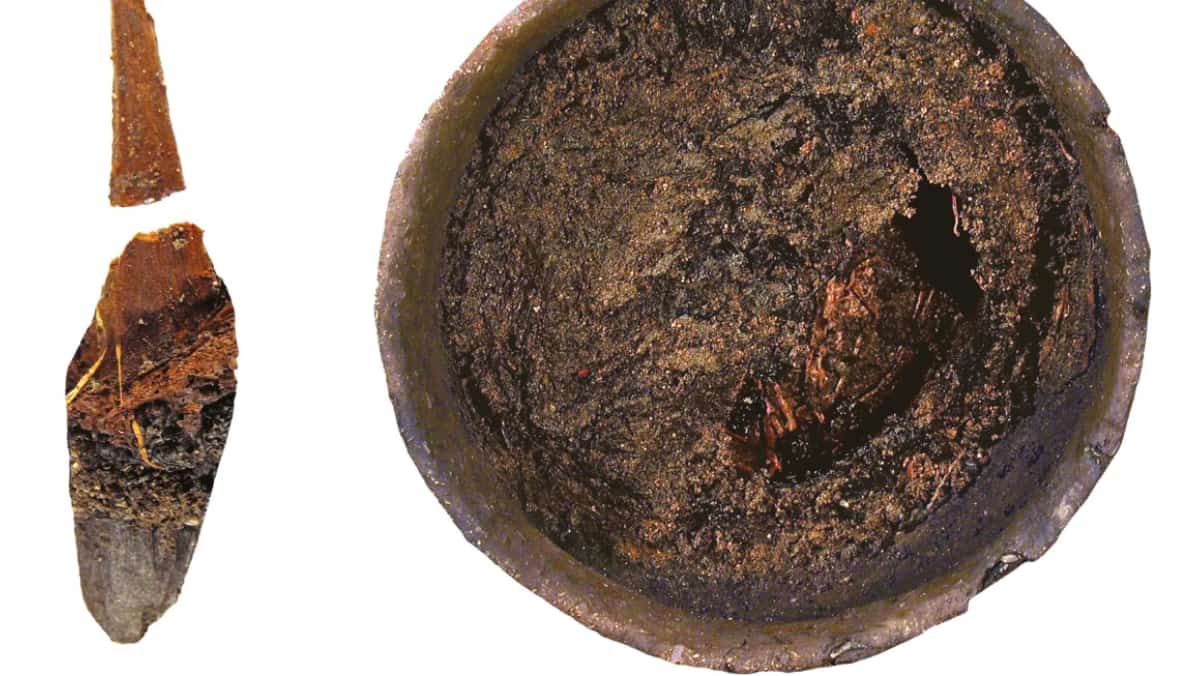
Dinner remains
Excavations unearth a plethora of artifacts and objects that were once used by ancient civilisations.
These artifacts include tools, pottery, weapons, or household items. By studying these artifacts, archaeologists can discern aspects of daily life, and cultural practices.
Some excavations uncover human remains, including skeletal, and evidence of lifestyle.Similarly, in the depths of eastern England lies the remains of a Bronze Age stilt village known as Must Farm.
The village, above a river, met a fiery demise 2,850 years ago. It was burned down merely nine months after its construction.
It is often dubbed as "Britain's Pompeii". The comparison to Pompeii arose from the remarkably well-preserved remains found at the site, similar to the preserved ruins of Pompeii in Italy.
Also Read |Drinking two to four cups of coffee a day can lower risk of bowel cancer recurrence: Study
The site has unveiled a wealth of information. This has reshaped our understanding of Bronze Age society. Like Pompeii, Must Farm also offers historians and archaeologists a snapshot of life, with its well-preserved structures and artifacts.
During the excavation in 2016, experts unearthed a treasure trove of artifacts that gave a sneak peak into ancient daily life.
Among these finds was a fascinating spoon in a bowl of half-eaten porridge. Alongside, wooden buckets bearing numerous cut marks provided insight into the resourcefulness of the village's inhabitants.
Watch |Snowflakes paint the spring landscape in Minnesota
Through these remnants of an ancient dinner, Must Farm has revealed the mysteries of the past life in the Bronze Age.
Chris Wakefield, an archaeologist from the University of Cambridge, reportedly remarked on the significance of these discoveries. “One of those buckets … on the bottom of it were loads and loads of cut marks so we know that people living in that Bronze Age kitchen when they needed an impromptu chopping board, were just flipping that bucket upside down,” he noted.
(With inputs from agencies)