Brace up for science revision children. Scientists just identified how we taste it bitter

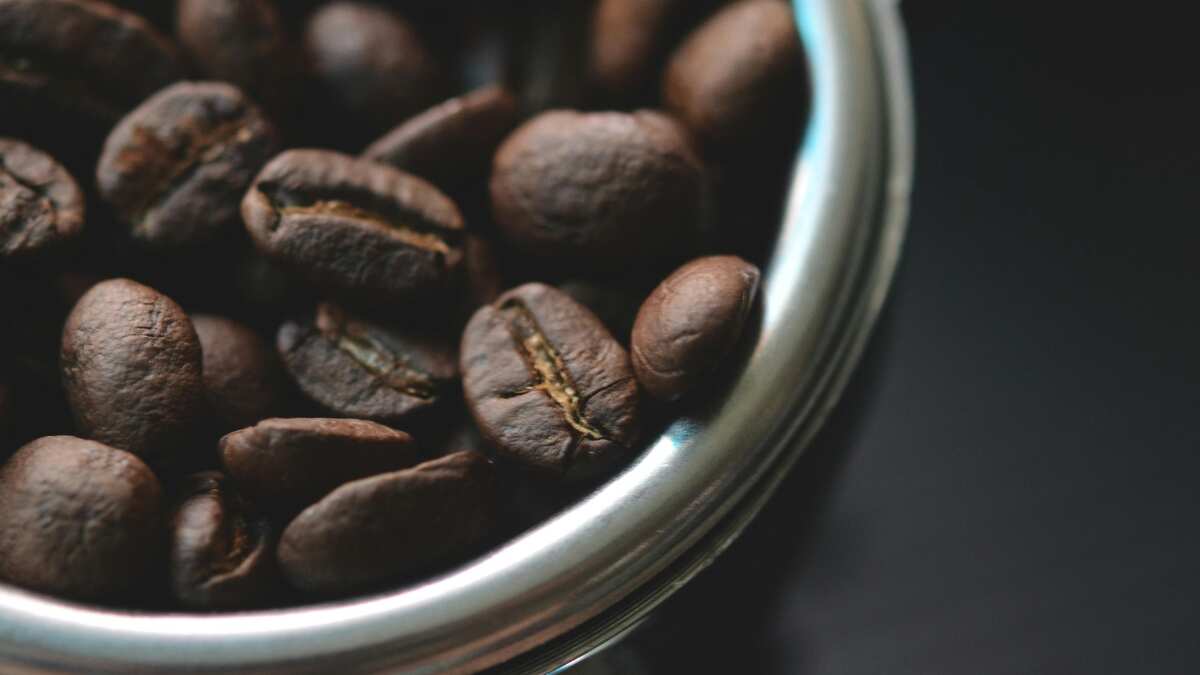
Coffee that tastes bitter/representative image via Pexels
In a breakthrough that is set to ensure a definitive revision of Science textbooks across the world, scientists have now identified how our tongue's taste buds are activated at the molecular level to make us taste the bitter one.
According to a team of scientists from the University of North Carolina School of Medicine, the bitter taste receptor — scientifically named TAS2R14 — has a defining role in helping our tongue identify one of the five different tastes: sweet, sour, salty, bitter, and umami (or savoury).
The study was published in the journal Nature.
Also watch |COVID-19 Symptoms: Is loss of smell & taste permanent?
"Scientists know very little about the structural make-up of sweet, bitter, and umami taste receptors," pharmacologist Yoojoong Kim, from the UNC School of Medicine, said in an official statement.
"Using a combination of biochemical and computational methods, we now know the structure of the bitter taste receptor TAS2R14 and the mechanisms that initialize the sensation of bitter taste in our tongues."
The 'bitter' science
Scientists said that when bitter substances (or tastants) hit TAS2R14, they are wedged into a regulatory region called the allosteric site. This allows molecules to bind to a protein and influence its functional activity.
The mechanism hasn't been discovered before.
The subsequent connection of the tastant with the allosteric site changes the shape of the receptor and activates its G protein which sets off a chain reaction of signaling further down the line.
This is how the message gets sent to a part of the brain called the gustatory cortex, where we process and perceive the signals as the taste of bitterness.
How did scientists identify the science behind bitter taste?
Scientists deployed methods including cryogenic electron microscopy, which allows ultra-precise imaging of the 3D structural biology of molecules in their active state by rapidly preserving them at ultra-cold temperatures.
What does it mean?
Separately, this can also help medical professionals worldwide to study the function of molecules like proteins and viruses which can lead to more targeted treatments for conditions where molecules play a role.