Big noses, big attraction: Study shows how male Proboscis monkeys woo their mates

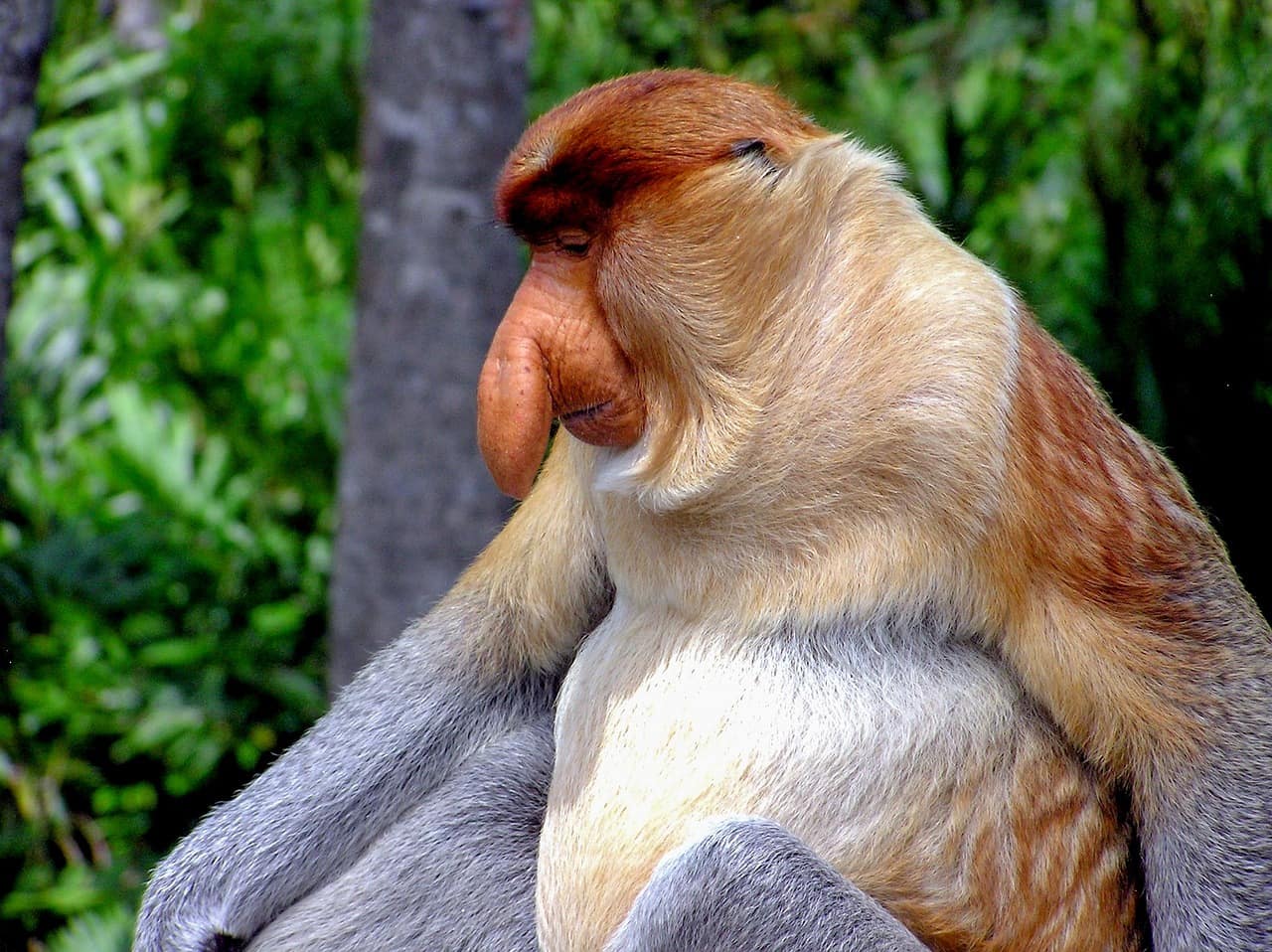
Proboscis Monkeys
Although considered unattractive by human standards, the large, bulbous noses of male proboscis monkeys (Nasalis larvatus) play a crucial role in attracting mates, a new research published in 'Scientific Reports' shows.
Unlike the elephant seal’s similar appendage, which helps in moisture preservation, the proboscis monkey’s nose serves a different purpose in the tropical rainforest.
The prominent nose of the proboscis monkey is clearly a form of sexual signaling. It is just like a peacock’s tail,a classic example of sexual signaling in the animal kingdom where the colourful tail feathers of a male peacock, known as a train, serve as a signal to potential mates and are used in sexual selection.
The size difference between males and females indicated its role in mating, with a study six years ago linking nose size to the number of females a male could attract.
What makes this large nose attractive?
One theory suggestedthat apart from looks, the sounds the nose produces also matters. Proboscis monkeys,that are native to the island of Borneo in Southeast Asia, have a distinctive feature.
Theirnasal cavities make a variety of vocalisations such as honks and roars that play a crucial role in their communication system.The study showed that females find the nose visually appealing as well in addition to the sound it produces.
Dr. Katharine Balolia of the Australian National University and her student Pippa Fitzgerald noted thatthe visual effect also involves the fleshy parts of the nose.
Also Read |'Comet of the Year' Tsuchinshan-ATLAS brightens, skygazers anticipate spectacular October show
“We found that males have much bigger nasal cavities than female monkeys, and their nasal cavities also have a different shape compared to females,” Balolia said. “Being able to emit louder and deeper calls thanks to a longer and larger nasal cavity helps male monkeys assert their health and dominance. This helps the male monkeys attract females and ward off other males.”
Watch |Satellite to study how clouds affect climate
Proving that sound mattered didn’t rule out the importance of appearance.Balolia examined a collection of monkey skulls and noted, “We ranked them by toothwear, since the youngest have less.”
The study found that while the nasal cavity reaches its final size around sexual maturity, the fleshy parts of the nose continue to grow and that it modifies sound in an attractive manner.
(With inputs from agencies)