Australia: Scientists start vaccinating wild koalas against chlamydia

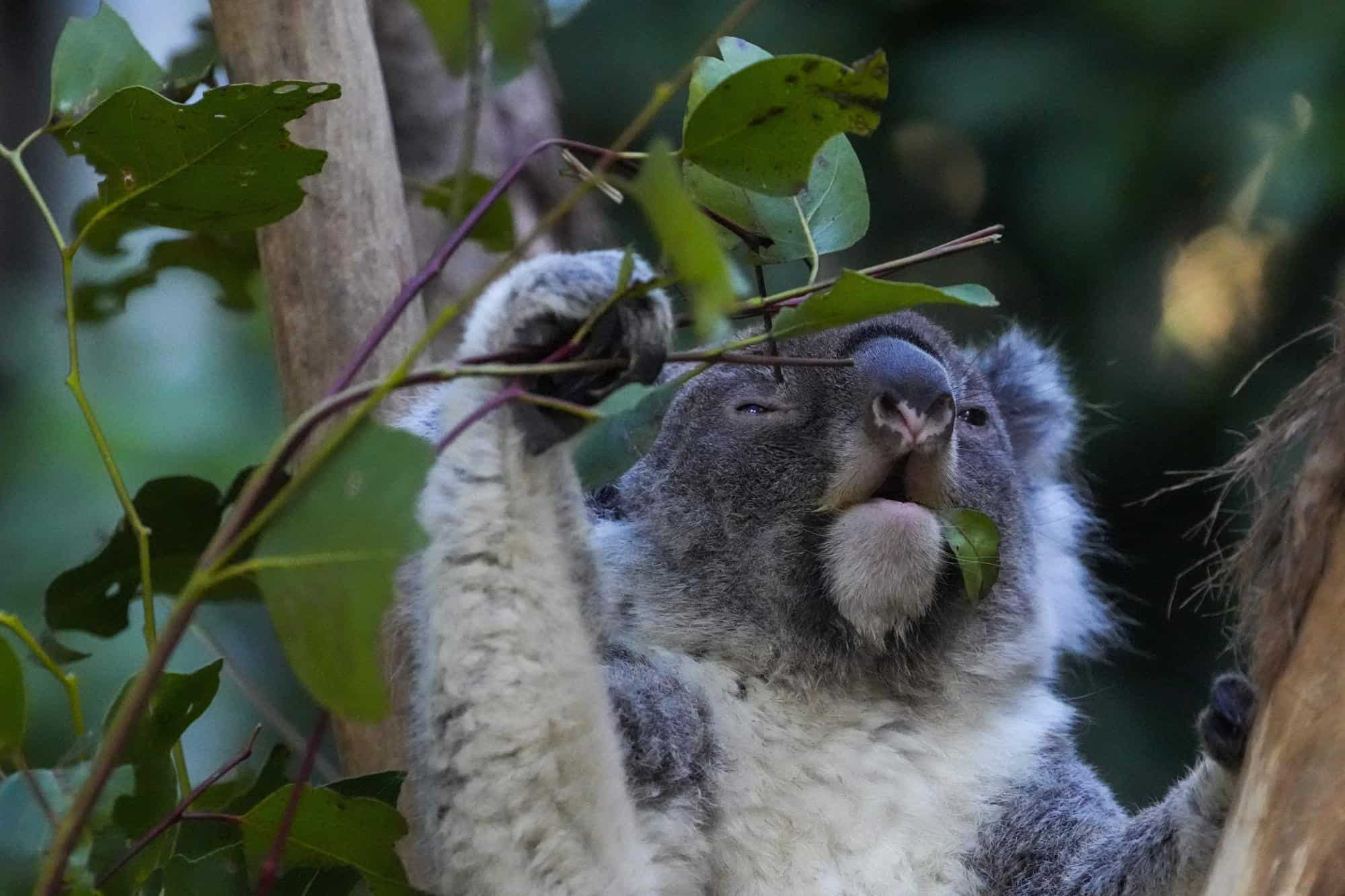
A koala eats gum leaves at a Koala park in Sydney, Australia.
Australian scientists have started vaccinating wild koalas against chlamydia in a field trial in New South Wales. According to a report by the news agency Associated Press on Tuesday (May 9), vaccination aims to test a method for protecting the marsupials against chlamydia that causes blindness, infertility and death. The initial goal of the scientists is to catch, vaccinate and monitor around half of the koalas in the Northern Rivers region of New South Wales.
The Associated Press reported that the safety and effectiveness of the single-shot vaccine were previously tested by vaccinating a few hundred koalas brought to wildlife rescue centres for other afflictions. But now, scientists want to understand the impact of vaccinating a population of wild koalas.
Samuel Phillips, a microbiologist at the University of the Sunshine Coast, who helped to develop the vaccine, said that the disease is killing koalas because they become "so sick they can’t climb trees to get food, or escape predators, and females can become infertile."
“We want to evaluate what percentage of the koalas we need to vaccinate to meaningfully reduce infection and disease,” Phillips.
The first koalas were caught and inoculated in March, and the vaccination effort is expected to last about three months.
How are koalas getting infected?
Though the origin of chlamydia in koalas is not confirmed, scientists believe it is likely that the marsupials initially caught the disease from exposure to the feces of infected sheep and cattle. Then it’s spread sexually or passed from the mother to the offspring.
How do the koalas get vaccinated?
The report said that scientists use binoculars to spot koalas in eucalyptus trees, then construct circular enclosures around the tree bases with doors leading into cages. After a few hours or days, the marsupials will climb down from the trees and wander into these harmless traps.
Jodie Wakeman, the clinical director at Friends of the Koala, said that after a check-up is done to ensure that the animals are in good condition, researchers administer anaesthesia and shots of vaccine, then keep them under observation for 24 hours after they wake up, to confirm there are no unexpected side effects.
And before the koalas are released, researchers mark them with a dab of pink dye on their backs, to ensure the same animals are not caught twice.
Australia's wild koala population declined in last 20 years
The wild koala population in Australia declined steeply in the last two decades. In February last year, the government declared koalas “endangered” in the eastern regions of New South Wales, Queensland and the Australian Capital Territory.
And scientists have estimated that half of wild koalas in Queensland are already infected with chlamydia. In deciding to vaccinate marsupials, scientists are balancing the risk of disturbing the animals against the danger of allowing the disease to spread.
WATCH WION LIVE HERE
You can now write for wionews.com and be a part of the community. Share your stories and opinions with us here.