Astronauts beware! Sandblasts on the moon may shred you to pieces

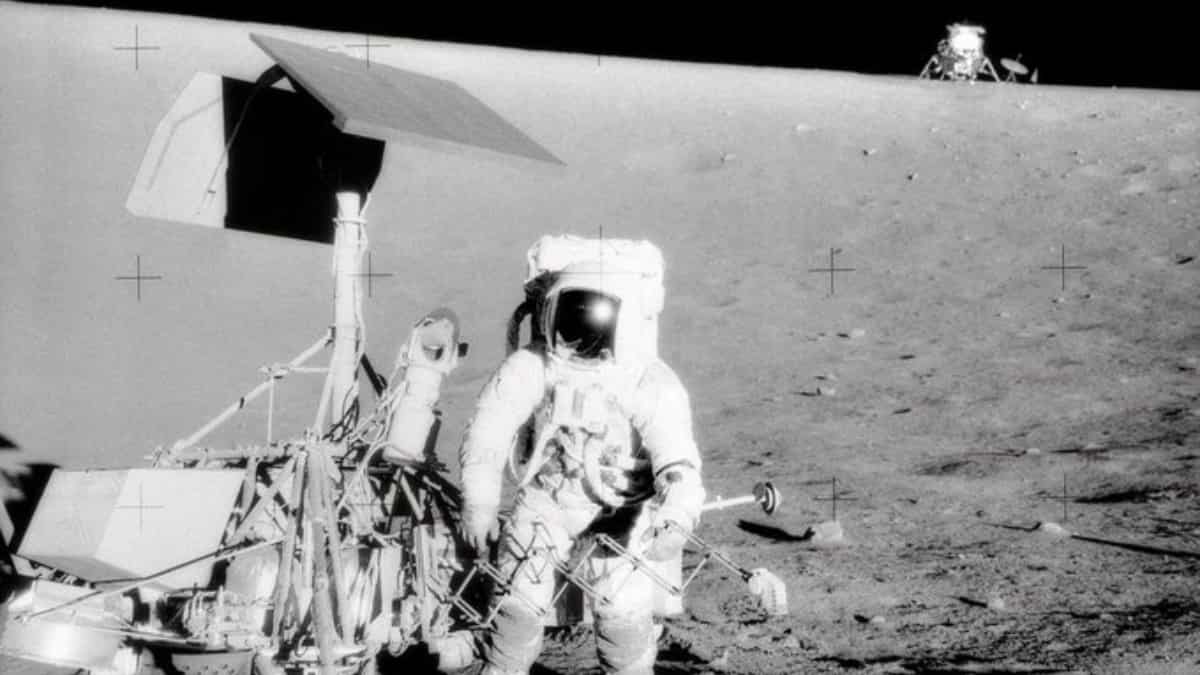
Image of astronaut on the lunar surface.
As NASA prepares for a new cosmic journey to the moon which will be launched for the first time in more than 50 years, a new theory emerged that the astronauts might be facing the threat of sandblasts.
While speaking to the Scientific American, University of Central Florida physicist Phil Metzger said that the latest findings regarding the potential pitfalls of mega-toxic and rapidly moving lunar dust— known as "sandblasts"—meant that astronauts may have required better safety standards for survival.
Also Read:Scientists to install nuclear-powered UFO detectors in space to lure aliens to Earth, claimsexpert
The researchers have already known that the equipment could be harmed by rocket sandblasts and lead to substantial erosion. However, while studying how they occurred, they figured out what are the best practices for the equipment and astronaut.
The new theory also raised questions regarding whether current protections are even adequate for surviving the blast impact.
What are the best ways to stay safe from sandblasts?
In a NASA policy, Metzger co-wrote that small lunar landers should not touch down within nearly 1.2 miles of the Apollo landing sites to protect the place from the sandblasts of the crafts.
According to a report published in Scientific American, the length cutoff was apparently arbitrary and was decided on the basis of what can be seen by a six-foot-tall person when looking out over the Moon's horizon.
Watch:Robot astronaut heading to Chinese space station
There were also theories regarding the danger of rocket sandblasts, however to Metzger, the numbers did not appear to be fitting.
As per the latest theory, which waspublishedin thejournalIcarus, Metzger said that instead of eroding the lunar surface and stirring up dust, the rocket's massive speed leads to the creation of kinetic force which kicks dust-up in a way which is more complicated than earlier believed.
According to the theory, the tiny accelerated rocks which are present in Moondust are likely to be moving at speeds which are four to ten times faster than what was earlier believed by the scientists. This further meant that the spacecraft and spacesuits needed to have extra reinforcements.
"The amount of damage [lunar dust] might cause to a spacecraft," warned Metzger, adding, "could be an order of magnitude worse than we believed."
(With inputs from agencies)