Devastating earthquakes that struck in the 1800s are triggering aftershocks today, scientists say

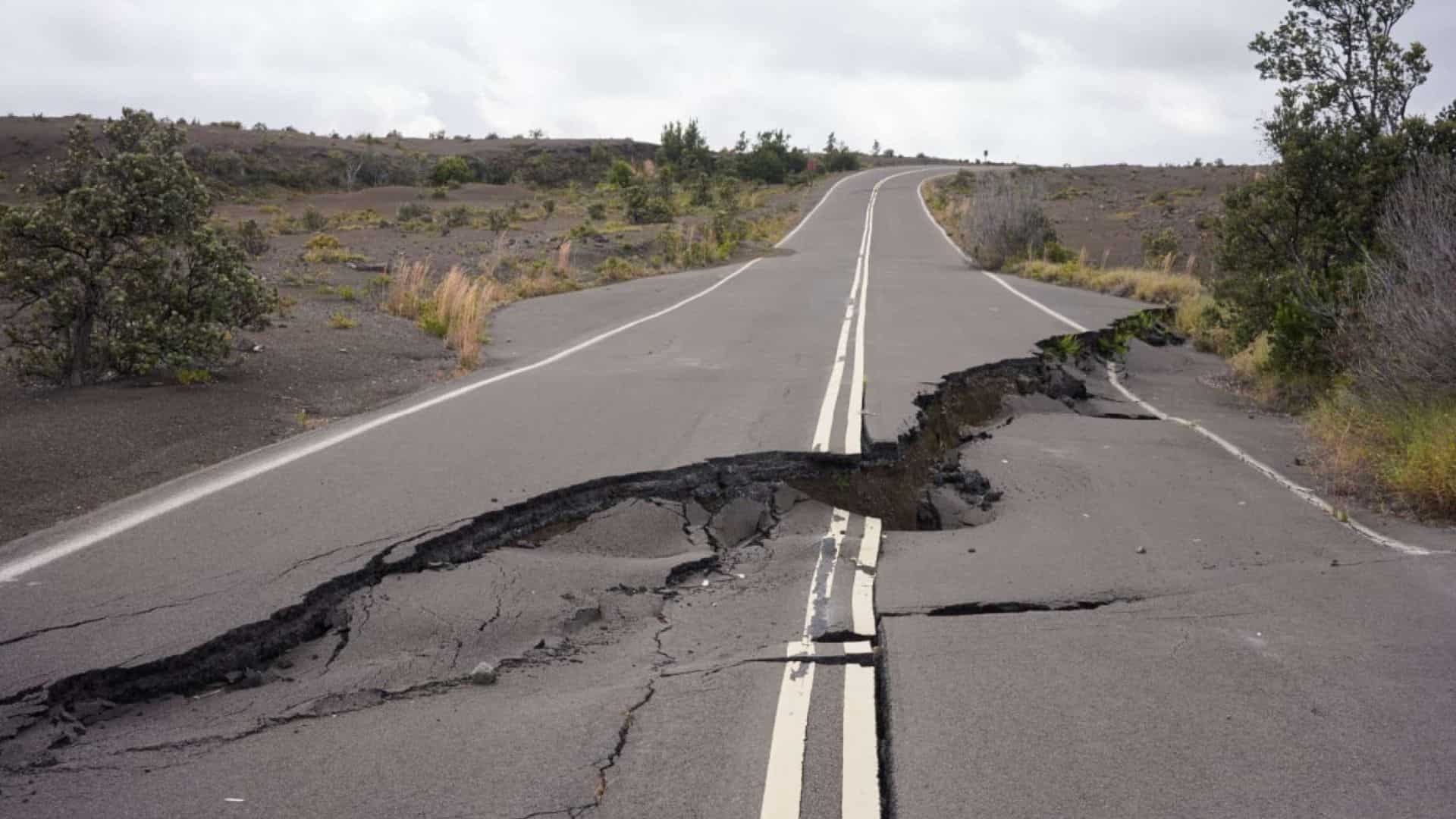
Earthquakes
During the 1800s, North America's continental interior faced some of the most deadly earthquakes ever recorded in UShistory. Nearly two hundred years later, a study published in the Journal of Geophysical Research: Solid Earth indicates that the central and eastern United States might still be encountering aftershocks stemming from those historical seismic events.
The scientific community has been debating whether current seismicity in stable regions like North America is due to aftershocks, foreshocks, or background seismic activity, according to Science Daily.
Focusing on three major earthquakes in the 17th and 19th centuries, the researchers examined seismic events near Quebec, Canada (1663), the Missouri-Kentucky border (1811-1812), and Charleston, South Carolina (1886). These historical events are crucial, as larger earthquakes tend to generate more aftershocks.
Unlike tectonically active areas near plate boundaries, the stable continental interior of North America experiences rare seismic events. This rarity prompts questions about the sources of modern seismicity in these regions.
Also watch |Iceland prepares for volcanic eruption, 900 tremors recorded on November 13
Connecting past and present quakes
To identify potential aftershocks, the researchers employed the nearest neighbour method, analysing earthquakes within a 250-kilometreradius of historical epicentres.
A magnitude threshold of 2.5 ensuredreliable recording, allowing the team to discern between aftershocks and background seismic activity.
Spatial distribution analysis providedinsights into the nature of seismic activity. While the aftershock sequence near Quebec appears unrelated to modern seismicity, the study suggests that the Missouri-Kentucky and Charleston earthquakes may still be triggering aftershocks centuries later.
The study brings to lightthat modern seismicity in the saidregions is a blend of aftershocks and background seismic activity.
Approximately 30 per centof earthquakes near the Missouri-Kentucky border and 16 per centin Charleston are likely aftershocks from historical earthquakes, emphasising the complexity of the seismic landscape.
(With inputs from agencies)