Are exploding stars cosmic hazards lurking in the universe?

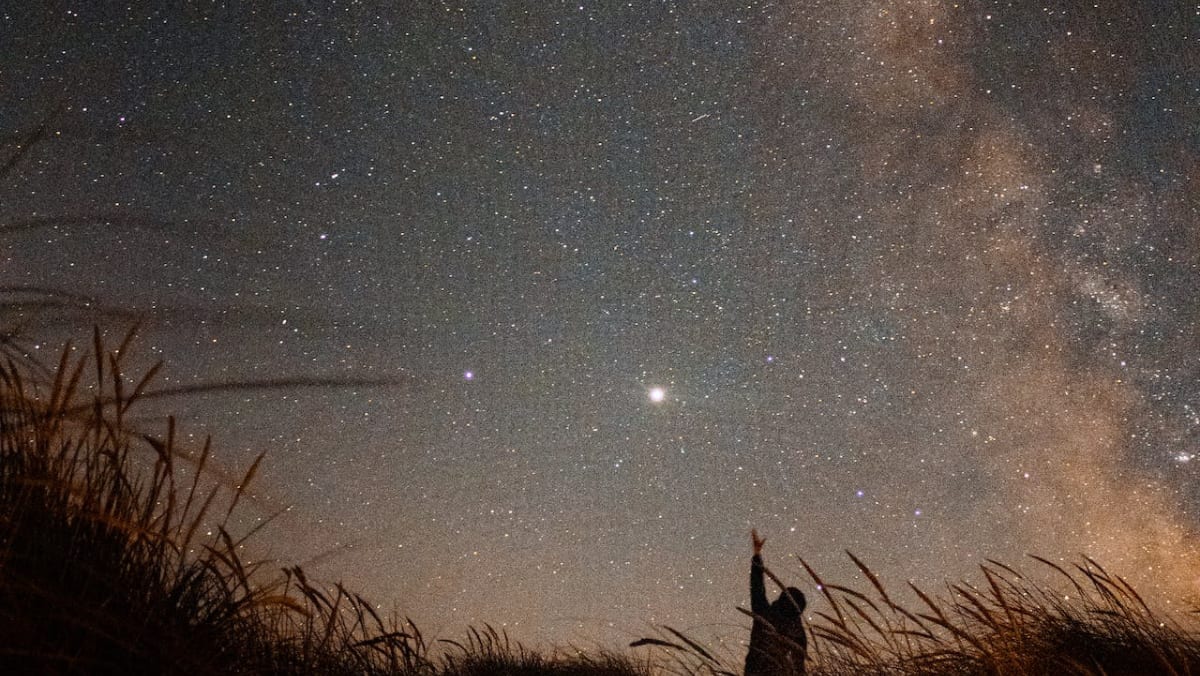
Representative image of a sky filled with stars
Stars are seemingly constant and are the silent guardians of the universe, however, within their serene existence is their potential for catastrophic events that could ripple across galaxies.
Notably, supernovae are incredibly powerful and energetic explosions that occur at the end of a massive star's life cycle.
When a massive star exhausts its nuclear fuel, it can no longer support itself against its own gravitational collapse. This collapse triggers an event which results in a supernova.
With every cosmic burst, stars unleash torrents of energy. This could range from gamma rays to cosmic rays.
The explosions of massive stars are rare occurrences in the cosmos. However, when they do happen, they unravel a surprising display of energy.
With an estimated frequency of one supernova per 50 years, and considering the vast expanse of the universe containing about 100 billion galaxies, a supernova erupts somewhere in the universe approximately every hundredth of a second, a report said.
Gamma rays emitted during explosion of stars
These stellar explosions emit high-energy radiation in the form of gamma rays. These gamma rays are invisible to the human eye due to their extremely short wavelengths.
Due to their high energy, gamma rays can easily penetrate through most materials, including skin and tissue. This effect poses health risks to living organisms if exposure is prolonged or intense.
Also Read |Scientists identify remains of George Washington's family members using advanced DNA technology
Although supernovae in our own Milky Way galaxy are infrequent, a handful have occurred close enough to Earth to be documented in historical records.
Watch |Solar eclipse: Canada's Niagara declares state of emergency
For instance, in 185 AD, an unexpected star appeared in the sky. It was likely the result of a supernova event.
In a similar fashion, in 1006 AD, a brilliant star exploded. It was later identified as a supernova located 7,200 light years away.
Another occurrence was witnessed in 1054 ADwhen Chinese astronomers spotted a star visible even during daylight. It was the explosion of a supernova situated 6,500 light years from Earth.
(With inputs from agencies)